

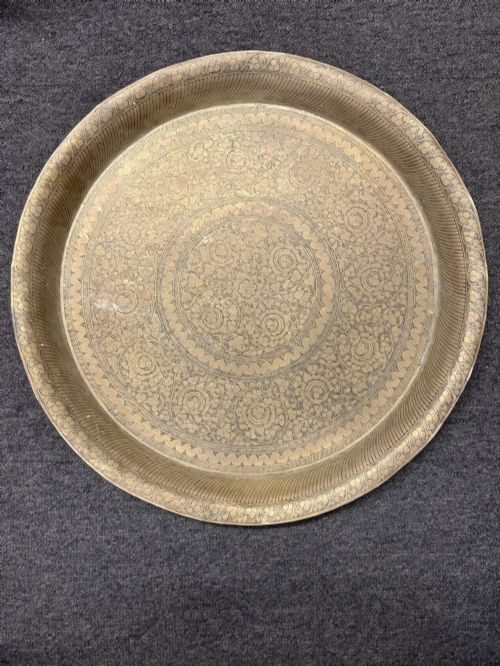
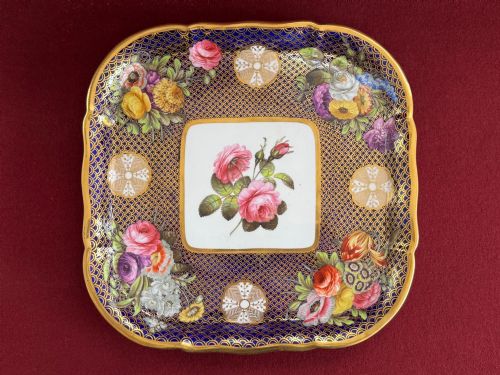
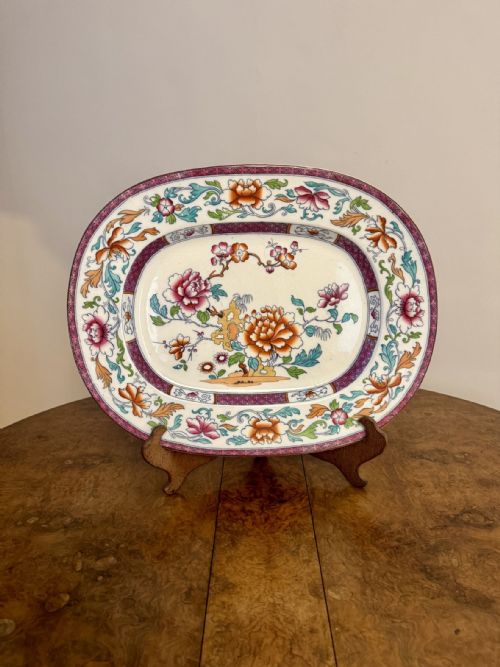


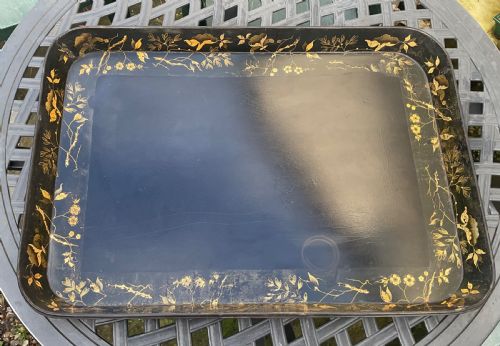


Large Floral Serving Platter
A large floral serving platter brings centuries of dining history to the table, offering generous proportions and striking botanical decoration.
Large Floral Serving Platter
A large floral serving platter provides substantial surface area for presenting food, with designs frequently centred around botanical motifs. When exploring a large floral serving platter, you encounter pieces intended for substantial gatherings and communal dining.
The selections span eras from the eighteenth century to the late nineteenth century, taking forms such as meat platters, chargers, trays, and deep serving dishes. Victorian and Regency examples dominate the selection, alongside Japanese Imari wares and Dutch Delft pieces.
Makers utilised various formats, from oval earthenware meat dishes to octagonal cloisonne trays and square porcelain plates. Each large floral serving platter reflects the dining customs and aesthetic preferences of its period of origin.
How they were made
Potters and artisans shaped these objects using earthenware, ironstone, porcelain, and papier-mache, often finishing surfaces with glaze and hand-painted enamel. Some metal pieces incorporate silver plate or gold leaf applied to a sturdy base.
Decoration techniques include transfer printing in blue and white, hand-painted polychrome pigments, and grand feu firing methods. Makers such as Ridgway, Spode, and Elkin Knight & Bridgwood employed these specialised methods to achieve durable yet decorative serving pieces.
Large Floral Serving Platter Retail Price Guide 2026
Typical asking prices for large floral serving platter among the pieces listed under this phrase on Sellingantiques today, from the lower quarter to the upper quarter. They describe what is for sale here now, not the wider market.
Listings feature items from the eighteenth, nineteenth, and early twentieth centuries, spanning periods such as Regency, Victorian, and Meiji.
What varies in quality
Quality rests in the crispness of the transfer print, the precision of the hand-painted enamels, and the weight of the ceramic body or metal substrate. Superior examples display balanced composition and well-preserved surface detailing.
The complexity of the moulding and the richness of the glaze application distinguish standard utility wares from exhibition pieces. Maker marks and identifiable patterns further elevate the standing of a piece within its category.
Ridgway·Spode·Elkin Knight & Bridgwood·Mason's Ironstone
The Large Floral Serving Platter Glossary
- Charger
- A large decorative plate or platter traditionally used as a base dish or for serving communal portions at the table. Chargers often feature elaborate painting or enamelling that sets them apart from standard dinner plates.
- Ironstone
- A heavy, durable type of earthenware patented in the nineteenth century to rival true porcelain. It resists chipping and provided an ideal smooth surface for blue and white transfer printing.
- Grand Feu
- A ceramic firing technique executed at high temperatures where tin glazes and metallic oxides fuse directly with the clay body. This method results in vibrant, integrated colours that withstand the test of time.
- Imari
- A Japanese style of porcelain decorated in underglaze blue and overglaze iron red, gold, and other colours. British makers frequently borrowed these bold oriental motifs for their own serving dishes.
- Papier-mache
- A composite material made from paper pulp or layers of paper bound with glue, then pressed and dried. Makers varnished and decorated these lightweight trays with lacquer and metal leaf.
Large Floral Serving Platter: Frequently Asked Questions
How were large serving platters used originally?
These large dishes served roast meats, poultry, and communal courses at formal dining tables. Servants brought them laden with food from the kitchens to the dining room.
They sat at the centre of the table or on sideboards until individual portions were carved and distributed to guests.
Can I use these antique platters for food today?
Many ceramic and ironstone platters remain robust enough for serving dry or cold foods at modern gatherings. Papier-mache and silver-plated trays suit decorative display rather than heavy culinary use.
Hand washing is essential to preserve the historic glazes, enamels, and delicate metallic surfaces from damage.
How do I identify a Victorian meat platter?
Victorian examples often feature heavy earthenware bodies decorated with blue and white transfer printing or floral motifs. Look for impressed maker marks or registration diamonds on the reverse.
They frequently include subtle wells and drainage channels designed to catch meat juices during carving.
What is the difference between ironstone and porcelain?
Ironstone is a dense, opaque earthenware developed for everyday durability while mimicking oriental ceramics. It feels heavier and thicker in the hand.
Porcelain is finer, more translucent, and rings when tapped gently, representing a more delicate class of tableware.
How should I display a large ceramic charger?
Large chargers and platters look striking mounted on sturdy wall brackets or supported on plate stands in a dining room. Ensure the mounting hardware securely supports the weight of the ceramic or metal.
Keep pieces away from direct sunlight and heat sources to protect hand-painted enamels and gold leaf details.