



Imari Pattern Serving Dish
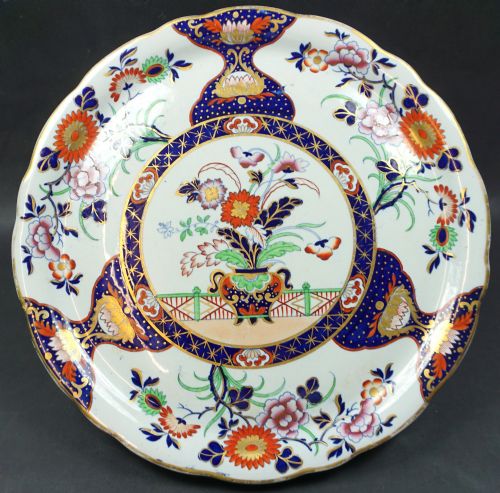
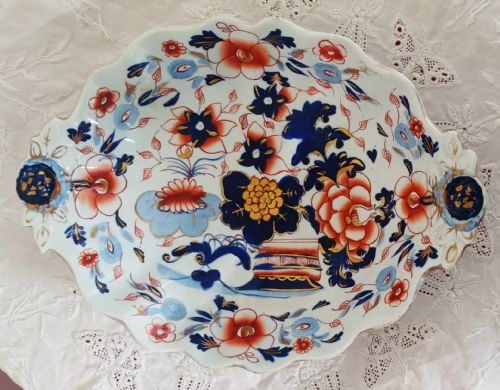
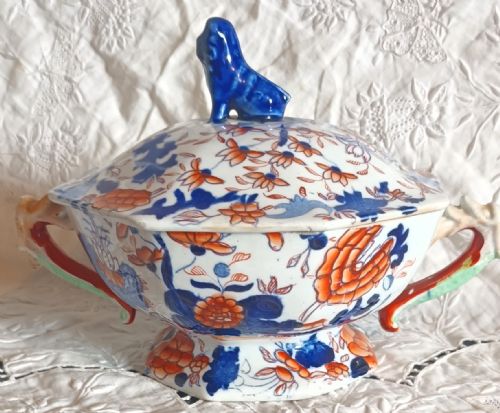
An imari pattern serving dish brings bold ironstone, porcelain, and vibrant iron red and cobalt blue palettes straight to the dining table.
Imari Pattern Serving Dish
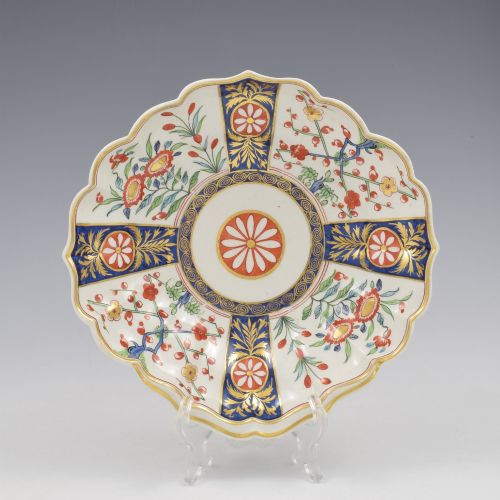
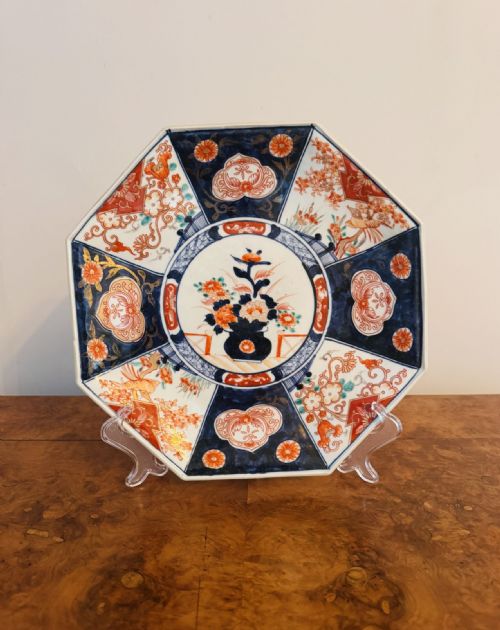
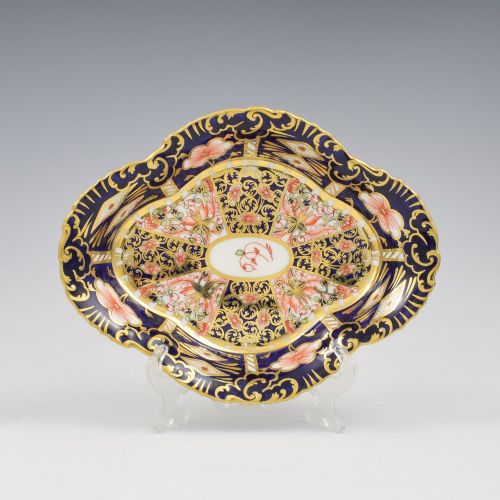
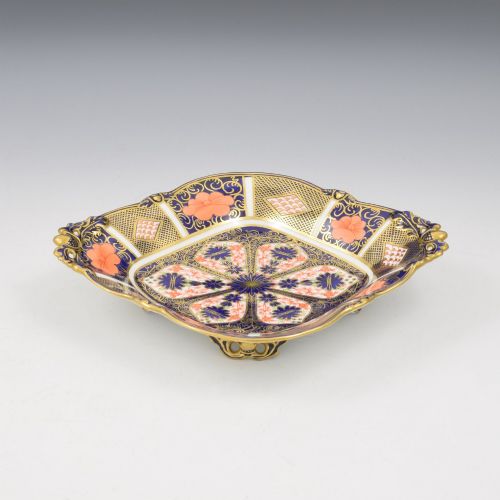
An imari pattern serving dish comprises an assortment of deep ceramic and ironstone platters, tureens, low comports, and boat-shaped dishes. The selection on this page centres primarily on 19th-century English imari and Japanese imari creations.
Buyers will encounter traditional serving platters alongside covered vegetable tureens and cheese dishes. These pieces display distinct influences spanning Georgian, Regency, and Victorian imari styles.
Most examples originate from English factories adopting the Japanese imari palette, though direct Japanese imports also appear within the ceramic groupings.
Materials and construction
Makers utilised durable ironstone china and fine porcelain as the primary base materials for these serving vessels. Glazes sealed the ceramic body before artisans applied intricate hand-coloured designs.
Decoration relied heavily on rich enamel pigments, often combined with gold leaf and gilding to highlight floral and geometric motifs. Ironstone examples required robust firing techniques to support heavy tureens and low comports.
Imari Pattern Serving Dish Retail Price Guide 2026
Typical asking prices for imari pattern serving dish among the pieces listed under this phrase on Sellingantiques today, from the lower quarter to the upper quarter. They describe what is for sale here now, not the wider market.
Some boats float on water, but these boat-shaped dishes prefer floating gracefully atop a Georgian dining table full of fruit.
Assessing quality and execution
Quality rests upon the precision of the hand-applied enamel and the crispness of the underglaze cobalt blue. Superior pieces demonstrate exceptional control in the placement of gold leaf and intricate patterns.
The weight and stability of the ironstone china or porcelain body dictate the overall substance of the dish. Finer examples retain sharp moulded details on tureens and pierced serving trays without blurring in the glaze.
Royal Crown Derby·Hicks and Meigh·Mason·Chamberlain Worcester·Coalbrookdale
The Imari Pattern Serving Dish Glossary
- Ironstone China
- A heavy, durable type of ceramic developed in the 19th century as a robust alternative to porcelain. It formed the sturdy body for many large serving platters and tureens.
- Comport
- A raised serving dish or pedestal bowl used for presenting fruit or sweet dishes at the table. Low comports appear frequently in Georgian table settings.
- Ashet
- A traditional Scottish and northern English term for a large serving platter or meat dish. These substantial vessels were designed for central table service.
- Enamel
- Opaque vitreous material fused to the ceramic surface during secondary firing to create vibrant surface colours. It forms the rich red and blue tones characteristic of imari decoration.
- Gilding
- The application of gold leaf or gold powder to ceramic surfaces for decorative accent. Higher quality pieces utilise this technique to frame intricate enamel panels.
Imari Pattern Serving Dish: Frequently Asked Questions
How do I use an imari pattern serving dish today?
These serving vessels suit modern dining tables for presenting roasted joints, vegetables, or seasonal fruit displays. They function equally well as decorative centrepieces on sideboards when not in active use.
Careful hand washing preserves the delicate enamel and gold leaf details against modern dishwasher detergents. Storing them safely prevents chipping on the substantial ironstone edges.
What is the difference between English and Japanese imari?
English imari pieces emerged from factories adopting the distinctive blue, red, and gold palette of imported wares onto local ironstone and porcelain bodies. Japanese imari items originated abroad and typically exhibit different ceramic body characteristics.
Both traditions share the vibrant contrasting palette that defines the style across the 19th century. Examining the weight of the ceramic helps differentiate between heavy ironstone and lighter porcelain bodies.
How can I date an antique serving dish?
Dating relies on identifying the specific ceramic body, such as heavy ironstone china versus fine porcelain. Maker marks, pattern numbers, and stylistic cues from the Georgian, Regency, or Victorian periods provide further chronological context.
Comparing the hand-coloured enamel application techniques against recorded workshop timelines narrows down the production era. Each period utilised distinct paste mixtures and glazing methods.
Are these dishes safe for food service?
Most antique serving dishes remain structurally sound for presenting dry foods or serving meals directly at the table. The durable glaze provides a protective barrier over the ceramic body.
Harsh acidic foods and abrasive cleaning methods should be avoided to protect the historic enamel and gilding. Gentle hand washing maintains the integrity of the surface decoration.