
Large Display Bookcase
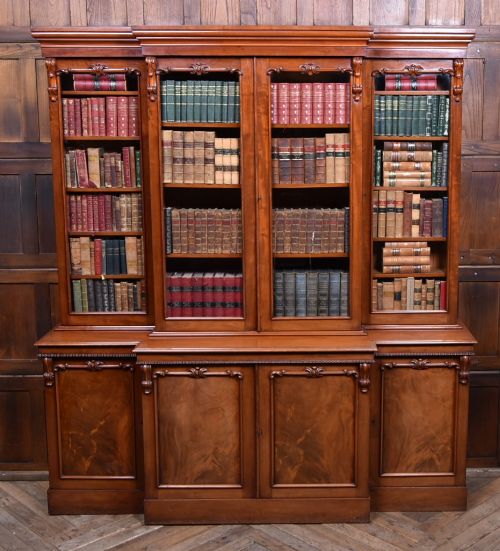
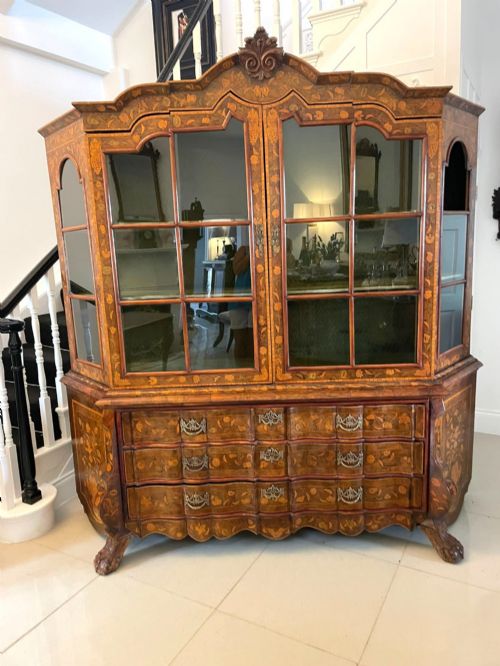
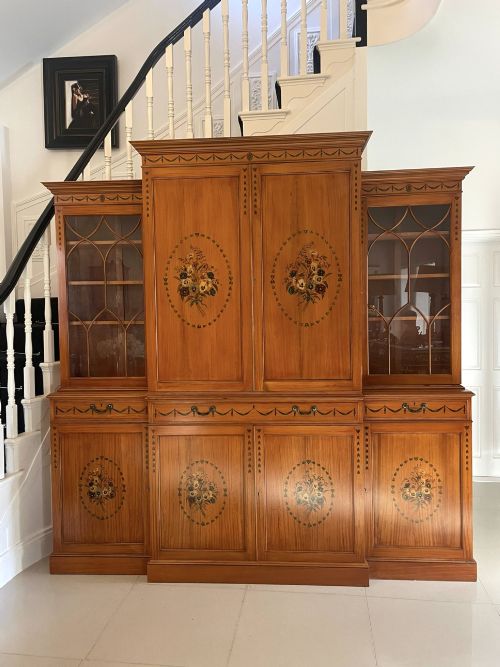
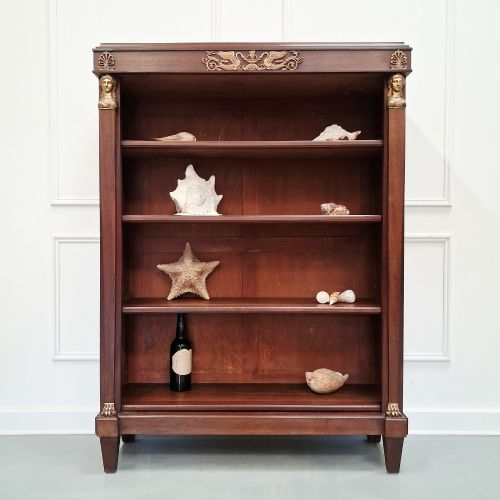
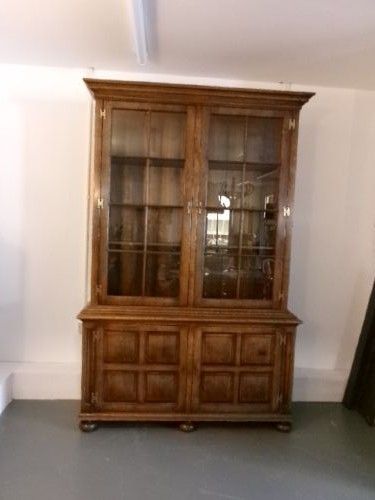
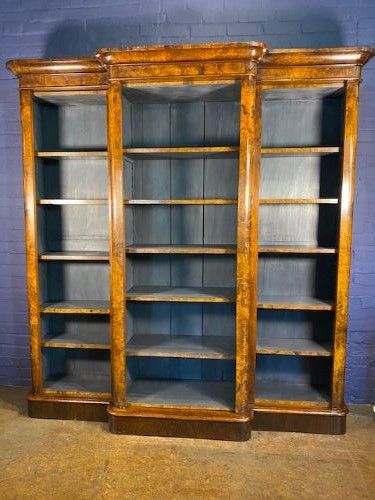
When you search for a large display bookcase, you are looking at substantial furniture designed to hold libraries while showing off treasured items behind glass or on open shelves.
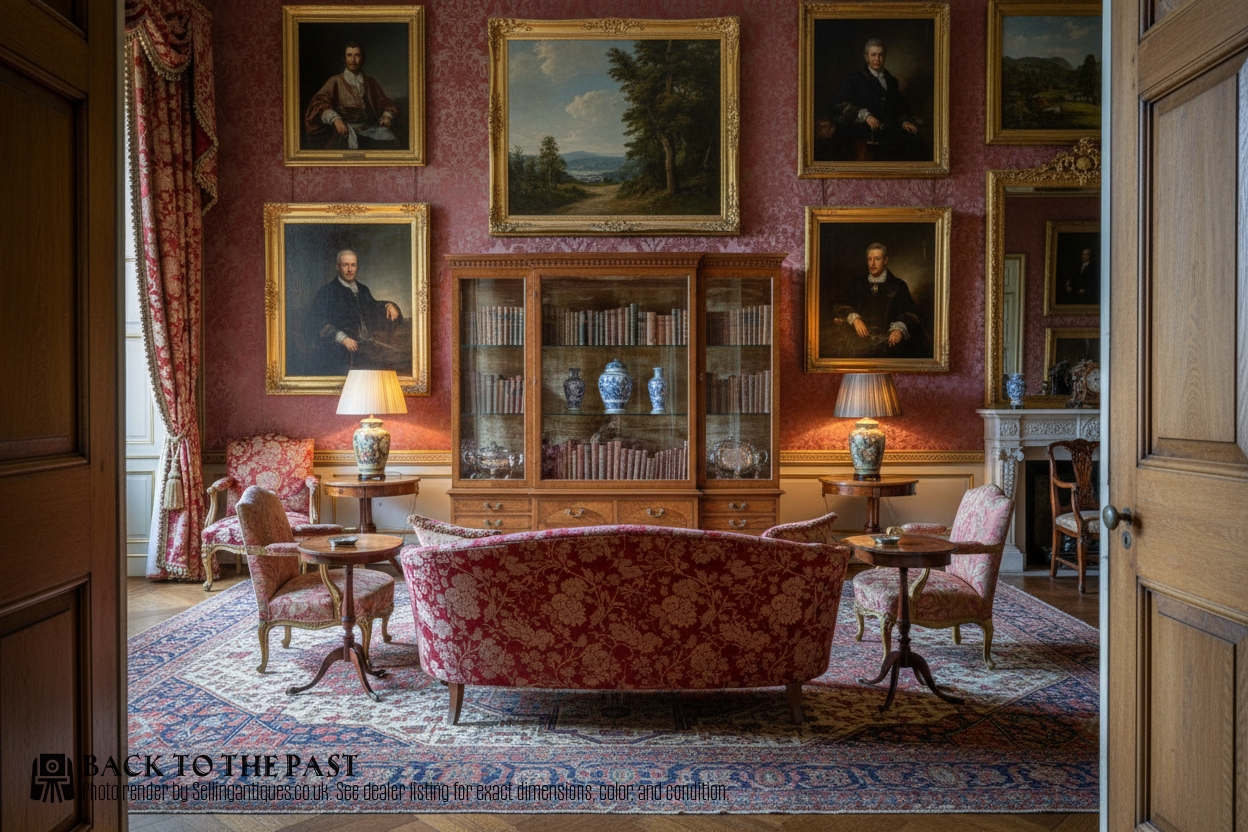
Large Display Bookcase
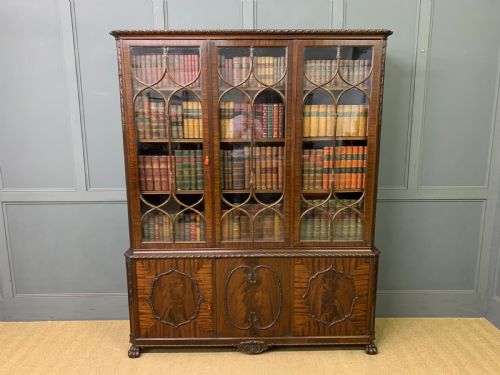
A large display bookcase combines storage for books with glazed or open compartments for ornamental objects. The evidence shows these pieces spanning the eighteenth, nineteenth, and early twentieth centuries, crossing periods from Georgian and Victorian to Edwardian and Art Deco.
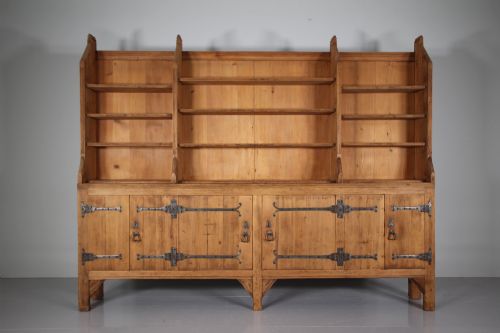
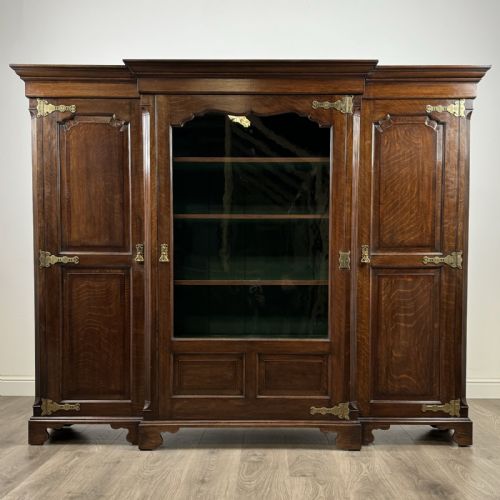
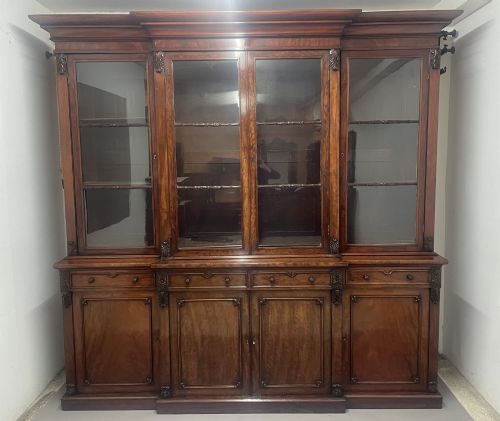
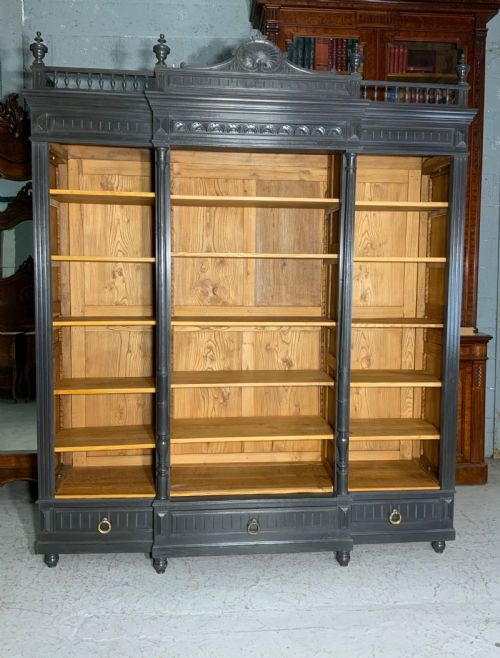
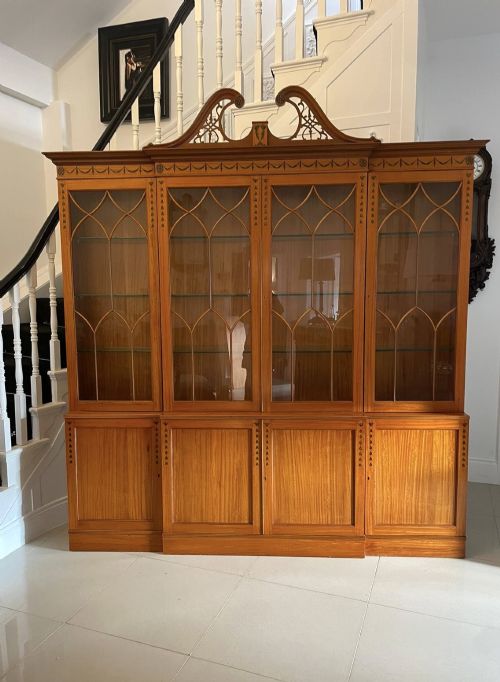
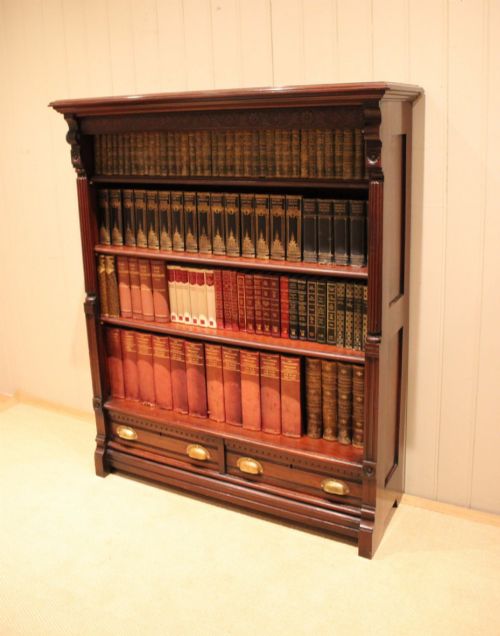
Forms on this page range from breakfront library cabinets and vitrines to open pine shelving and bureau bookcases. These items originate from English, French, Dutch, and Anglo-Indian workshops, reflecting diverse regional cabinet-making traditions.
How They Were Made
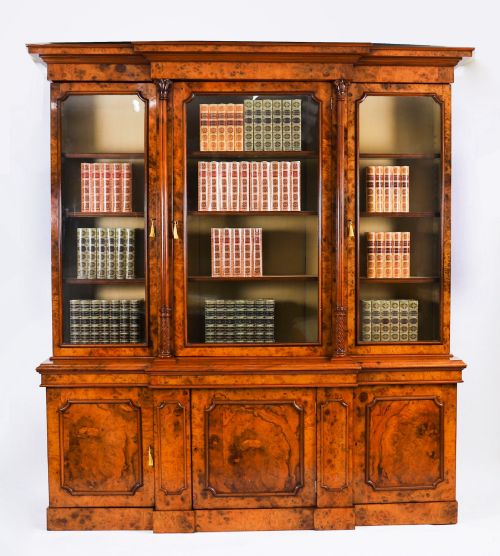
Makers utilised dense timbers such as mahogany, walnut, satinwood, and oak, often highlighting grain patterns with flame veneers or burr walnut. Secondary woods like pine appear in carcases and internal shelving.
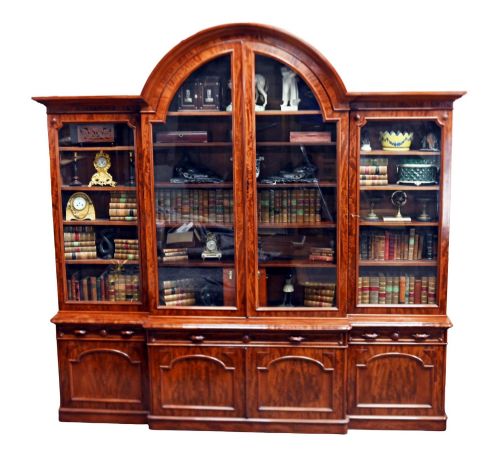
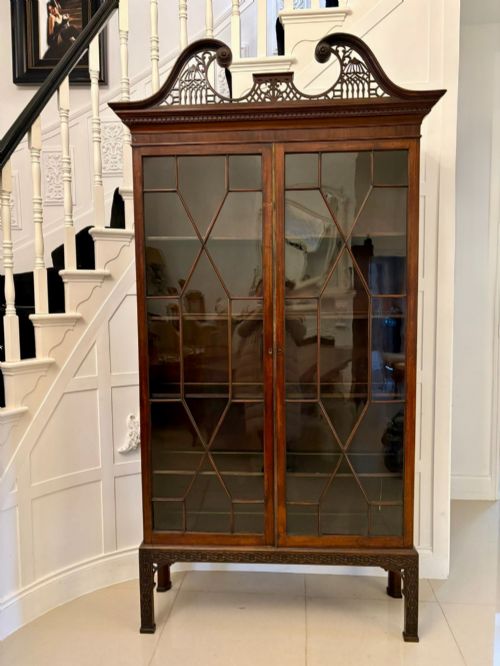
Glazing techniques involve individual astragal bars forming geometric panes, paired with brass mounts, ormolu details, and carved ornamentation in styles from Gothic Revival to Sheraton Revival.
Some nineteenth-century pine bookcases retain traces of their original old paint alongside exposed waxed grain.
What Varies in Quality
The standard of a piece rests on the selection of timber figures and the precision of architectural proportions. Breakfront formats with flame mahogany or burr walnut demand exceptional joinery in curved cornices and astragal glazing bars.
Hardware integration, such as original brass mounts or fitted adjustable shelving mechanisms, separates utilitarian storage from fine library cabinet-making.
Gillows·Maison Jansen
The Large Display Bookcase Glossary
- Astragal glazed
- Glass doors divided into small panes by narrow wooden mouldings called glazing bars. These bars create an orderly geometric pattern across the cabinet front.
- Breakfront
- A piece of furniture where the central section projects forward from the flanking wings. This configuration breaks up a flat wall and adds architectural depth.
- Vitrine
- A glass-fronted cabinet designed specifically for displaying porcelain, curiosities, or decorative objects. They often feature glazed sides to let light enter from multiple angles.
- Bureau bookcase
- A hybrid form combining a sloping fall-front writing desk with a bookcase top. Interior compartments usually include small drawers and pigeonholes.
- Ormolu
- Gilded bronze mounts applied to furniture for decorative effect. It gained popularity in high-status French and English cabinets during the eighteenth and nineteenth centuries.
Large Display Bookcase: Frequently Asked Questions
What is the difference between open and glazed bookcases?
Open bookcases provide direct, unhindered access to volumes and usually feature adjustable wooden shelving. Glazed cabinets protect sensitive bindings and collections behind glass doors while keeping them visible.
Glazed versions often include lockable doors and fine astragal woodwork.
How do I date a Victorian mahogany bookcase?
Dating relies on timber selection, such as deep flame mahogany, combined with decorative motifs like Gothic arches or carved corbels. Construction details inside the drawers and backboards also help confirm the nineteenth-century period.
Earlier pieces show hand-cut dovetails, while later nineteenth-century examples may display early machine assistance.
Can I adjust the shelves in these antique bookcases?
Many larger library bookcases and open shelving units include adjustable shelf systems utilising traditional wooden ratchets or metal pins. This allows you to accommodate books of varying heights.
It is worth checking individual listings to confirm if the original adjustable mechanism remains intact.