




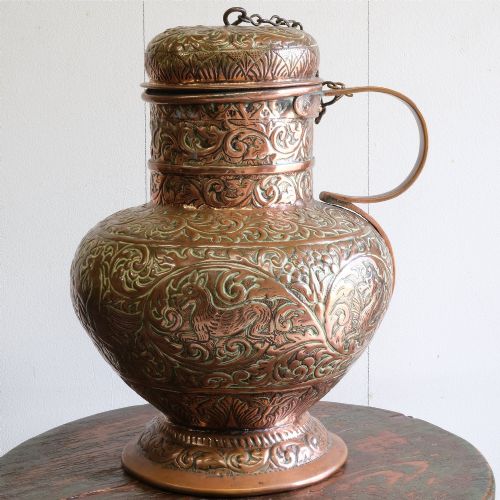
Large Decorative Vessels
Large decorative vessels stand as substantial centerpieces, combining utility and display through centuries of craftsmanship in bronze, copper, porcelain and glass.
Large Decorative Vessels
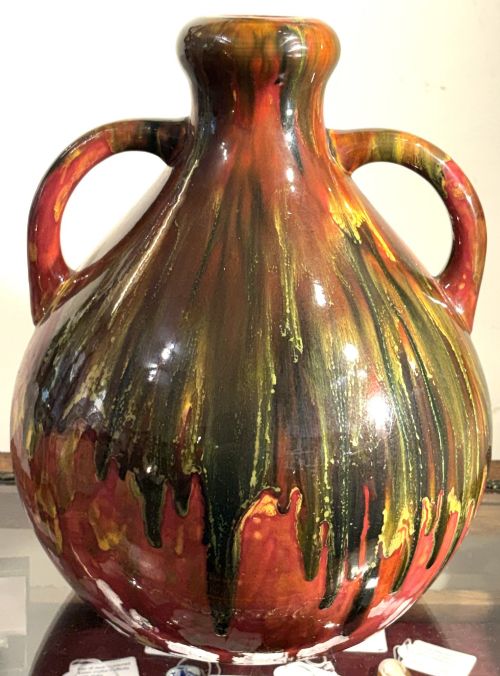
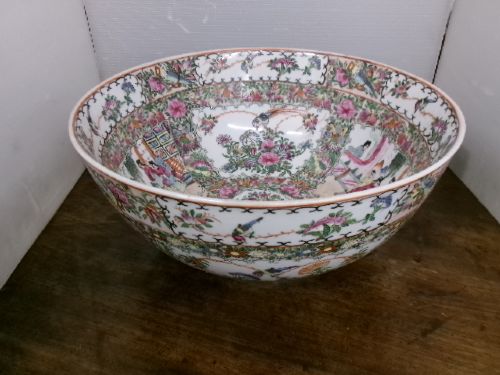
Large decorative vessels encompass diverse forms including grand vases, heavy jardinières, deep bowls, and tall apothecary jars designed to command attention in a room. These pieces emerge from the nineteenth century through the early twentieth century, drawing on Victorian, Art Nouveau, Meiji, and Qing aesthetics.
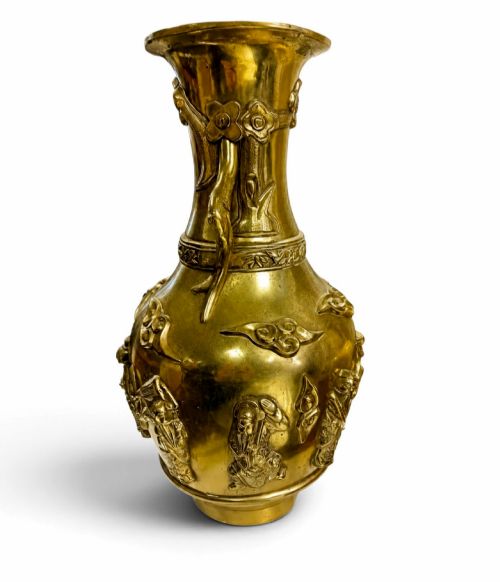
The most common examples encountered on this page are metalwork pieces in copper, brass, and bronze alongside ceramic and glass urns. Many originate from British potteries like Doulton Lambeth and Bretby, or arrive via Chinese export channels and Japanese export workshops.
Makers utilised these large formats to showcase ambitious glazing, intricate cloisonné enamel work, and heavy hand-hammered metal construction. Each vessel functions primarily as an ornamental focal point rather than a utilitarian container.
Materials and Techniques
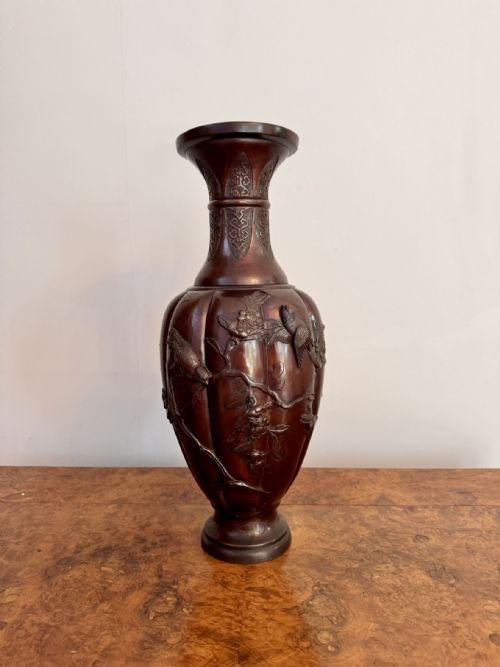
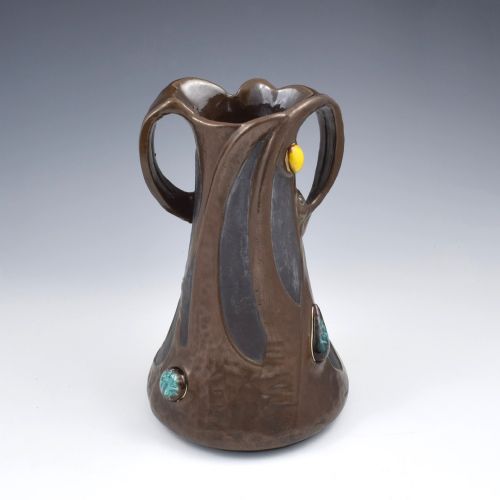
Metalwork vessels rely on heavy gauge copper, brass, and bronze, often shaped by hand hammering or spinning, then embellished with applied cabochons, enamel panels, or high-relief casting. Makers in the Arts and Crafts and Art Nouveau traditions valued visible tool marks and patinated surfaces.
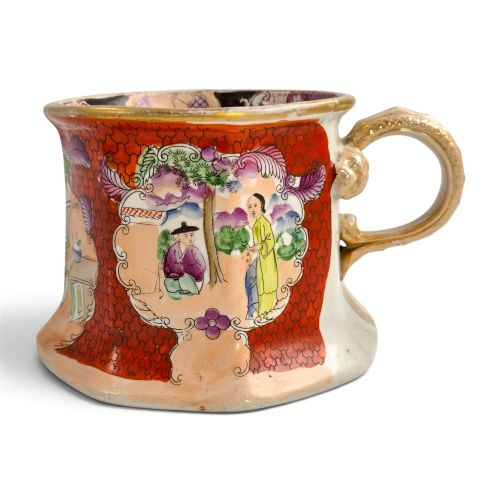
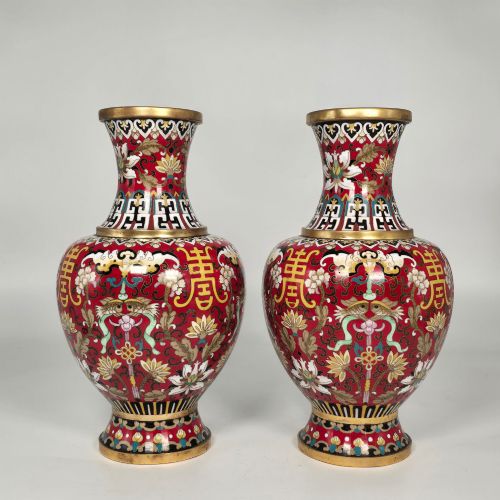
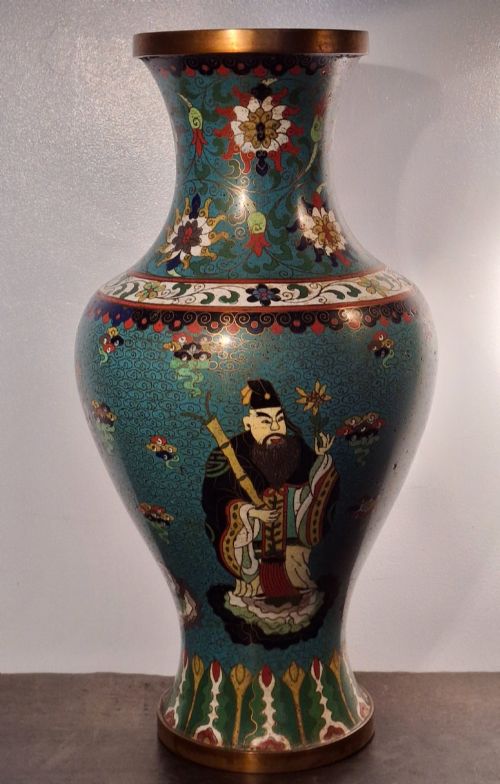
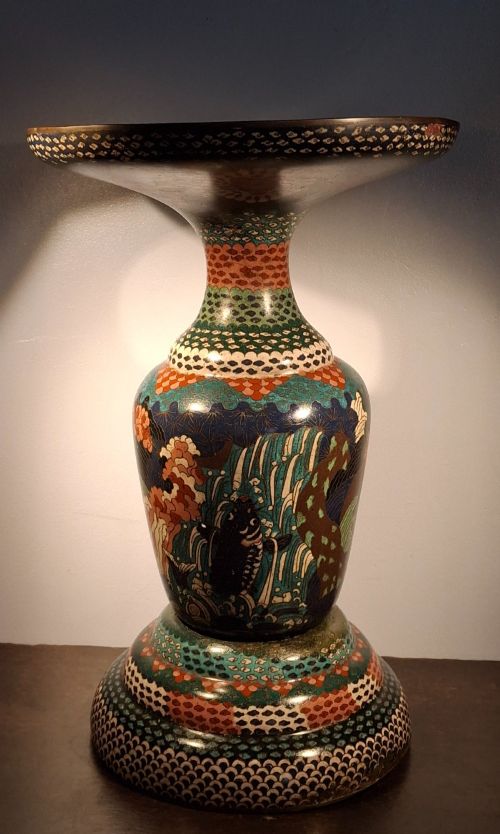
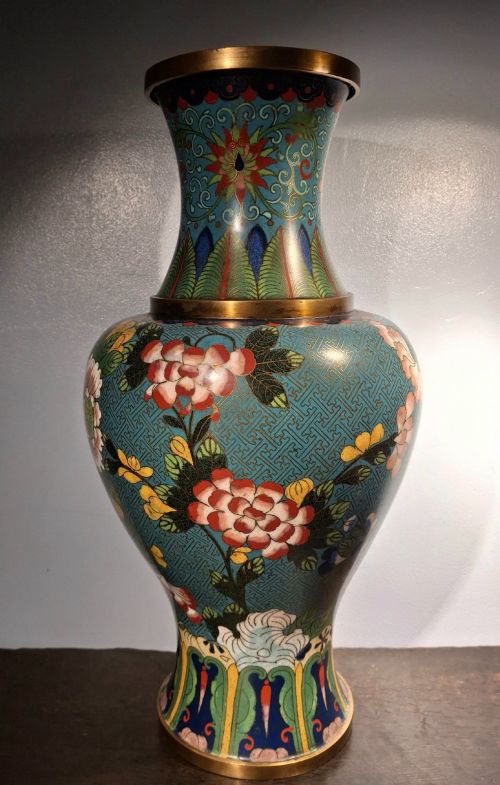
Ceramic and porcelain vessels combine traditional throwing or moulding with complex glazing techniques, from the deep crackle of Qingbai wares to the salt-glazed stoneware produced by Doulton Lambeth. Cloisonné pieces involve soldering delicate wire partitions to a metal base before filling the compartments with vitreous enamel pastes.
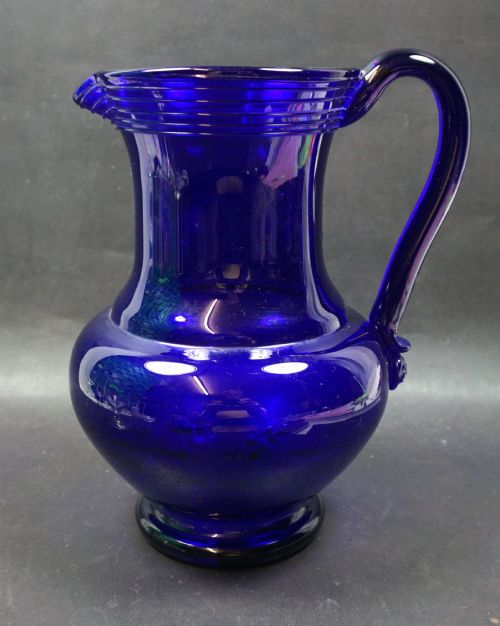
Glass vessels utilise optic blowing, heavy moulding, or cameo carving as seen in French cameo glass by Gallé and Legras. Gilding, hand-painting, and acid-etching complete the surface decoration across both Eastern and Western workshops.
Large Decorative Vessels Retail Price Guide 2026
Typical asking prices for large decorative vessels among the pieces listed under this phrase on Sellingantiques today, from the lower quarter to the upper quarter. They describe what is for sale here now, not the wider market.
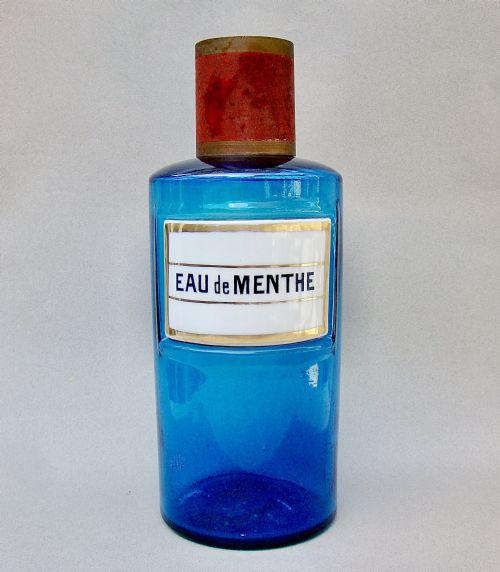
Several heavy glass carboys once held bubbling apothecary mixtures before retiring to serene decorative duty.
Factors of Quality
Quality rests upon the crispness of execution in the decoration, whether it is the precise soldering of cloisonné wire, the depth of relief in cast bronzes, or the control of the glaze on earthenware. Superior examples demonstrate a confident hand that balances the massive scale of the vessel with refined detail.
The weight and gauge of the metal or ceramic body determine the physical integrity of the piece, separating substantial artisan creations from lighter commercial output. Integrity of the original surface, uncompromised by aggressive cleaning or later restoration, dictates the standing of any vessel.
Royal Doulton·Doulton Lambeth·Burmantofts Pottery·Bretby Pottery·James Powell
The Large Decorative Vessels Glossary
- Cloisonné
- A metalwork technique where fine wires are soldered to a body to form cells that hold enamel paste before firing.
- Jardiniere
- A large ornamental pot or stand designed to hold a growing plant or floral arrangement indoors.
- Carboy
- A large, heavily constructed glass bottle traditionally used for holding liquids safely in laboratories or apothecaries.
- Baluster
- A vase form featuring a rounded body that tapers toward the neck, resembling a traditional architectural column support.
- Cabochon
- A polished, unfaceted gem or glass bead applied as a decorative jewel to metalwork and ceramics.
- Dinanderie
- European brass and copper hollowware produced by traditional beating, stamping, and etching methods.
Large Decorative Vessels: Frequently Asked Questions
How were large decorative vessels used historically?
These vessels served primarily as interior architectural ornaments placed in entrance halls, antechambers, or grand reception rooms to project taste and wealth. Many functioned as floor-standing urns, mantelpiece centerpieces, or heavy planters for indoor palms and ferns.
Over time, their roles shifted from practical storage or display objects to pure focal points of interior decoration. Their substantial physical presence allowed them to anchor large Victorian and Edwardian room schemes.
How do I clean antique copper and brass vessels?
Antique metal vessels require minimal intervention to preserve the stable historical patina built up over decades of exposure. Gentle dusting with a soft dry cloth is usually sufficient for routine maintenance.
Avoid abrasive chemical polishes that strip away the original surface coloration and diminish the age value of the piece. Professional conservation advice should be sought if deep cleaning becomes necessary.
How can I tell Japanese export pieces apart?
Japanese pieces from the Meiji period often display exceptional technical precision in cloisonné enamel or Satsuma earthenware with dense pictorial scenes. Subject matter frequently includes natural motifs such as leaping koi, flowering branches, or figures from folklore.
Signatures or workshop marks rendered in enamel or incised into the base frequently identify the specific studio or artisan responsible. The weight and finish of the underlying bronze or copper armature also signal the period of manufacture.
Where should I place a large vessel at home?
Large vessels command floor space in corners, sit securely upon sturdy wooden sideboards, or anchor large entrance hall tables. Their heavy proportions require stable supporting surfaces capable of bearing considerable weight, particularly with bronze and ceramic pieces.
Positioning them away from direct sunlight protects vulnerable enamels and delicate glass surfaces from thermal stress and fading over time.