


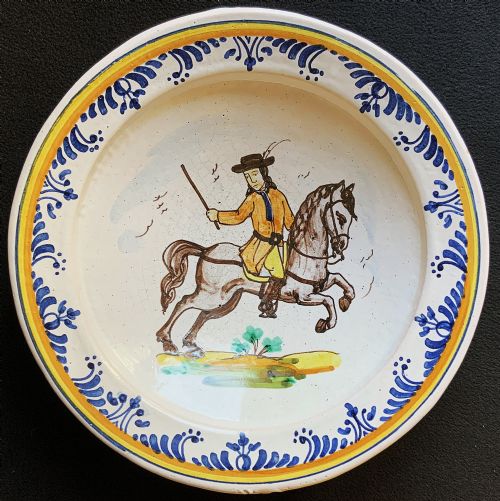
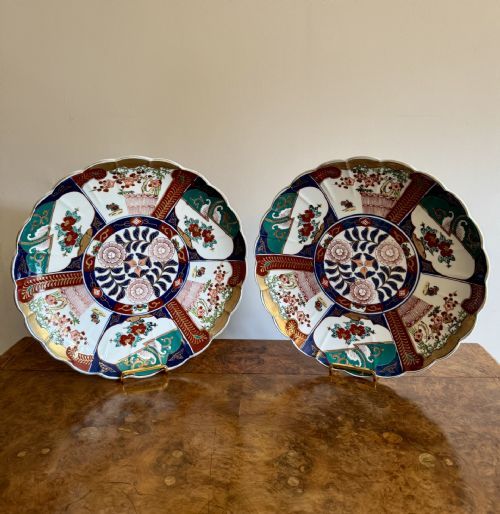


Large Decorative Ceramic Plate
These large decorative ceramic plate examples bring centuries of colour and painterly ambition directly to your wall or table.
Large Decorative Ceramic Plate
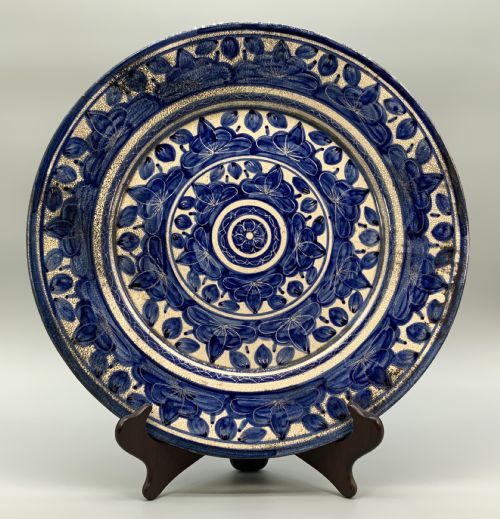
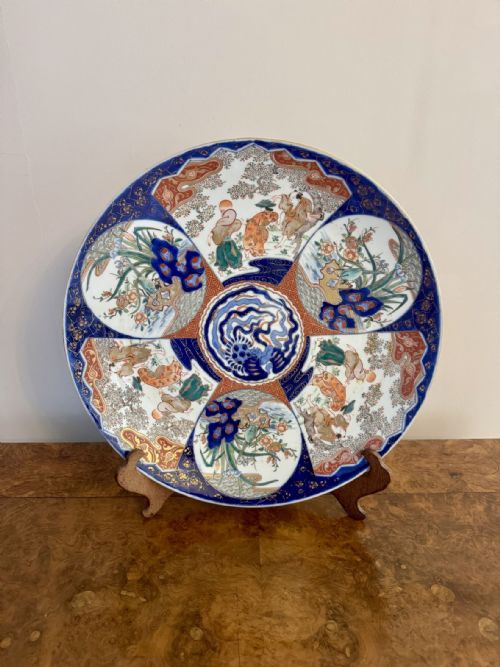
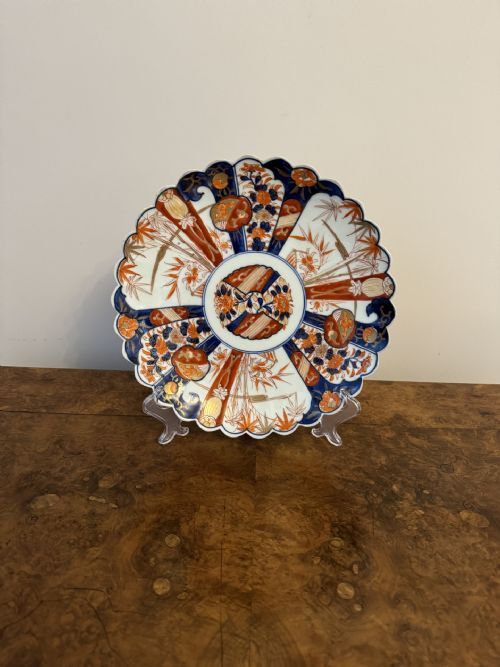
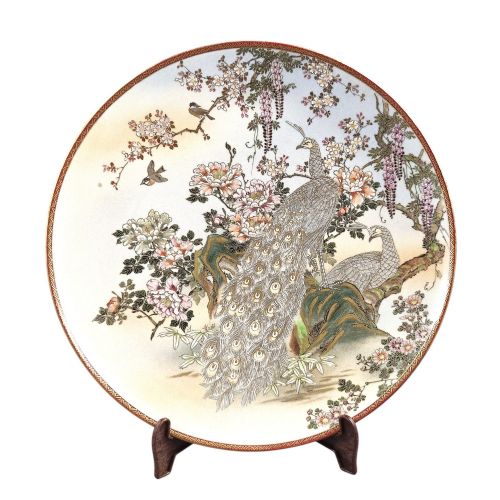
A large decorative ceramic plate selection spans expansive chargers, serving platters, and display dishes intended primarily for visual impact rather than dining use. These pieces often measure considerably wider than standard dinnerware, providing a substantial canvas for detailed artistic expression.
Forms include scalloped edges, square plates, and deep circular chargers that dominate a room when displayed upright on plate stands or hung on walls. Their origins stretch from Japanese kilns in Arita to continental European workshops in France, Italy, Spain, and Holland.
How they were made
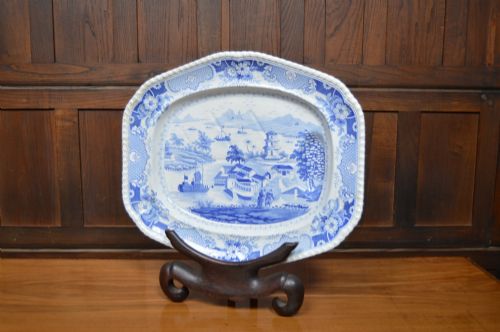
Potters shaped clay bodies from earthenware or fine porcelain before applying glazes, tin-opacified coatings, or enamel colours. Many items incorporate blue and white transferware techniques or hand-painted polychrome pigments fired at high temperatures.
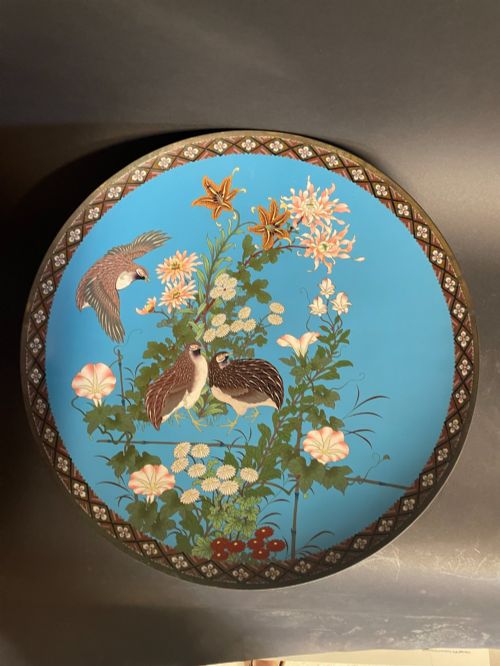
Certain Japanese variations utilise cloisonne wirework on ceramic or metal-backed bases, known as Totai Shippo, creating raised textural motifs across the surface. Artisans frequently integrated gold leaf, gilt accents, and moriage relief decoration to enrich the final appearance.
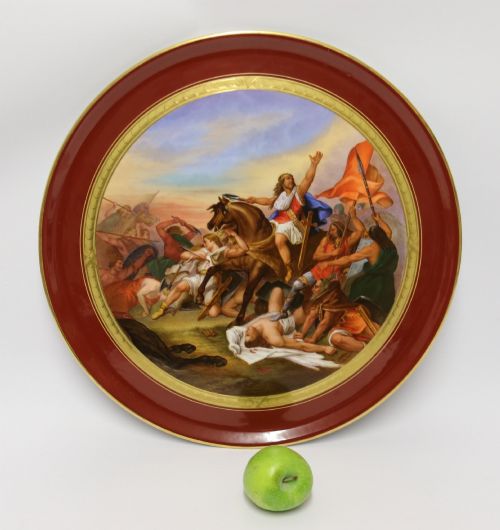
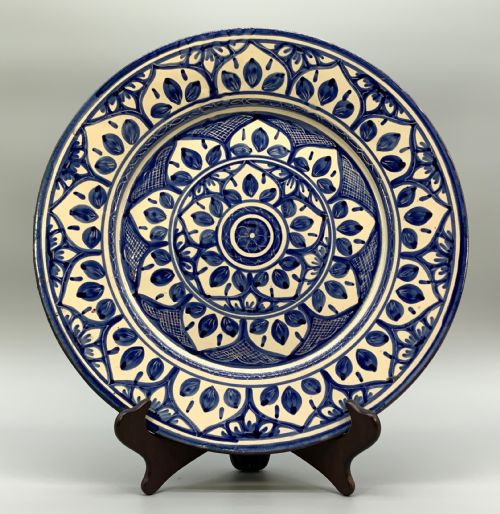
European workshops utilised majolica and faience methods, applying metal oxide pigments directly onto raw tin-glazes to absorb the colour before the glost firing. Paris and Vienna porcelain chargers required meticulous hand-painting to render complex historical and mythological scenes.
Listings feature periods spanning from the 17th century through the Victorian and Meiji eras, utilising porcelain, earthenware, and cloisonne.
What varies in quality
The precision and density of the hand-painted brushwork separate standard decorative items from superior examples. Master painters executed intricate scrolling foliate borders, precise facial expressions on figures, and deep cobalt tones with exceptional clarity.
The complexity of the subject matter dictates artistic standing, moving from simple geometric patterns to elaborate historical narratives, battle scenes, and detailed depictions of mythological figures like the Seven Lucky Gods. Rich palettes incorporating multiple enamel colours, manganese, and gold leaf indicate higher ambition in the kiln.
The condition of the glaze and enamel surface heavily influences desirability. Superior pieces retain vibrant, unrubbed colours and crisp relief work such as moriage dots or cloisonne wire without extensive surface wear.
The Large Decorative Ceramic Plate Glossary
- Charger
- A large ornamental plate traditionally used for ceremonial display or placed beneath smaller courses during formal dining. These pieces measure well beyond standard plate dimensions and often hang on walls.
- Imari
- A style of Japanese porcelain originating from Arita, characterised by a distinct palette of underglaze blue, iron red, and gilt highlights. The designs frequently incorporate floral and brocade motifs.
- Tin-Glazed Earthenware
- Pottery covered with a white tin-oxide glaze that provides an opaque, smooth background for painted decoration. This category includes Dutch Delft, Spanish Faience, and Italian Maiolica.
- Moriage
- A Japanese ceramic technique where slip is piped onto the surface in dots or lines to create raised, textured patterns. This method adds a tactile, three-dimensional element beneath the glaze.
- Istoriato
- A style of majolica painting featuring narrative historical, biblical, or mythological scenes across the entire surface of the vessel. Painters utilised the white tin-glaze canvas much like an oil painting.
Large Decorative Ceramic Plate: Frequently Asked Questions
How were large decorative ceramic plates used historically?
These large vessels served primarily as ceremonial display pieces on sideboards, buffets, and walls rather than everyday tableware. Wealthy households utilised them to showcase artistic taste, expensive imported materials, and narrative scenes.
In formal settings, chargers occasionally sat beneath smaller service plates to anchor table settings visually. Their considerable size provided a prominent canvas for storytelling and regional craftsmanship.
Can I hang a heavy antique charger on the wall?
Hanging heavy ceramic chargers is entirely possible when using properly fitted, adjustable brass or coated wire wall plate hangers that distribute weight evenly across the rim. Ensure the hardware secures safely to wall studs rather than plaster alone.
Given the substantial weight of nineteenth-century porcelain and earthenware plates, professional framing or dedicated gallery display brackets provide the most secure support for long-term exhibition.
What periods do these ceramic plates come from?
The available selection spans from the late seventeenth century through the Victorian era and the Meiji period, extending into the early twentieth century. Eighteenth-century pieces often represent Dutch Delft and Spanish productions.
Nineteenth-century items frequently encompass Japanese export porcelain, French Paris porcelain, and continental revival styles. Dates are typically attributed based on stylistic conventions, signatures, and manufacturing techniques.