





Large Chinese Pottery
Large Chinese pottery spans centuries of skilled firing, bringing monumental presence and rich historical tradition straight into your rooms.
Large Chinese Pottery
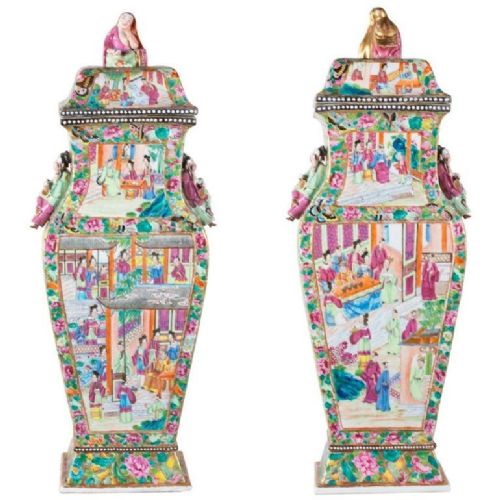
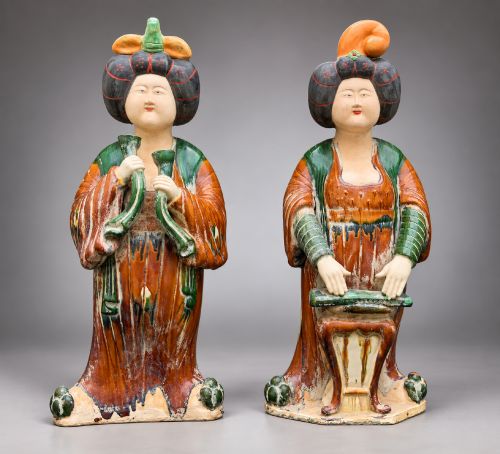
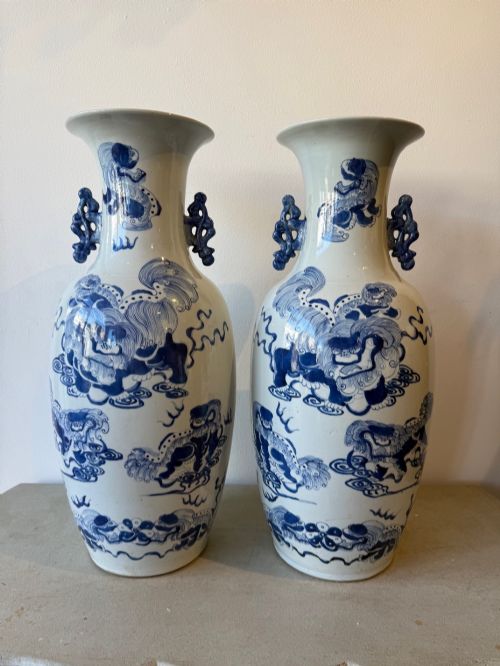
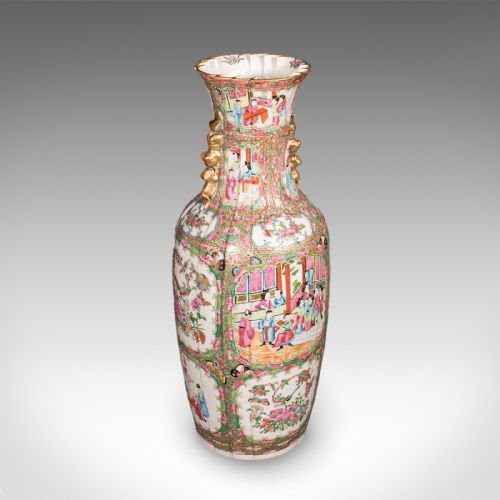
When you search for large chinese pottery, you encounter substantial vessels, figures, and chargers spanning eras from the Tang dynasty style up to the Victorian period. These pieces arrive in various forms, including grand vases, decorative bowls, and musician figures, reflecting centuries of kiln production.
The selection on this page relies heavily on nineteenth-century creations alongside earlier period interpretations and styles. You find earthenware and porcelain pieces shaped into brush pots, bottle vases, and substantial figures finished with traditional glazes.
Vessels from this grouping serve as striking focal points in a room due to their generous scale and detailed surface decoration. Collectors encounter both utilitarian forms like bowls and purely decorative sculptures that demonstrate the enduring skill of eastern kilns.
Materials and production techniques
Potters shaped these substantial forms using clay bodies ranging from porous earthenware and terracotta to dense porcelain. Artisans applied lead glaze, iron rust glaze, and sancai glaze to coat the surfaces before high-temperature firing.
Decoration often involved cobalt pigment painted beneath the glaze, intricate enamel work, and incised motifs carved directly into the clay body. Artisans utilised specialised kiln techniques to achieve crackle effects and distinct colour variations across large surfaces.
Large Chinese Pottery Retail Price Guide 2026
Typical asking prices for large chinese pottery among the pieces listed under this phrase on Sellingantiques today, from the lower quarter to the upper quarter. They describe what is for sale here now, not the wider market.
Objects span from pre-sixteenth century creations through the eighteenth century and into the Victorian era.
Judging quality and craftsmanship
Quality in these ceramics rests on the control of the kiln firing and the precision of the hand-painted or incised details. Superior pieces display even glaze distribution without disruptive firing flaws, alongside sharply defined brushwork in cobalt or enamel.
The balance and symmetry of a large vessel or figure indicate the potter's mastery, especially given the tendency of heavy clay to warp during firing. Finer examples retain crisp decorative motifs and rich depth within the glaze layers.
The Large Chinese Pottery Glossary
- Sancai glaze
- A three-colour glaze technique traditionally involving amber, green, and cream or white tones, frequently seen on earthenware figures.
- Famille rose
- A palette of opaque enamel colours dominated by pink or rose, introduced during the Qing dynasty for decorating porcelain.
- Qingbai glaze
- A pale bluish-white porcelain glaze with a subtle translucent quality, often used on bowls and vessels with incised decoration.
- Kraak porcelain
- A type of Chinese export porcelain produced mainly in the late Ming dynasty, characterised by paneled border designs.
- Underglaze blue
- Pigment applied to pottery before glazing and firing, creating a durable blue design beneath a clear protective layer.
Large Chinese Pottery: Frequently Asked Questions
How were large Chinese pottery vessels used originally?
Many of these large vessels served practical storage or serving purposes in dynastic households, while others held brushes or acted as centerpieces.
Over time, grand chargers and decorated vases also became prized export items destined for European display cabinets.
How do I care for antique ceramic figures?
Keep large pottery and porcelain pieces out of direct sunlight to prevent any fading of enamel colours or surface glazes.
Dust them gently with a dry, soft cloth and avoid using chemical cleaners that might harm older ceramic bodies.
What defines Qing dynasty pottery style?
Qing dynasty pieces often feature meticulous enamel work, vibrant cobalt pigments, and sophisticated crackle glazes developed through advanced firing methods.
Potters during this era combined technical precision with traditional motifs like peonies and phoenixes.
Can I use large antique bowls for serving food?
Antique pottery and porcelain with historic glazes and enamel decorations are generally best reserved for display rather than culinary use.
Older glazes may contain materials unsuitable for modern food contact, and the surfaces can be easily damaged.