



Large Blue White Bowl
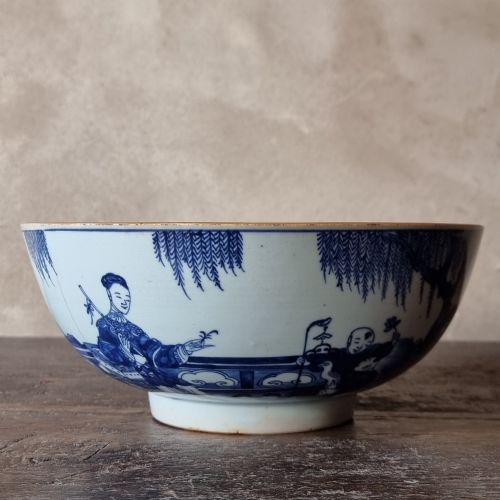
A large blue white bowl commands attention on a table or sideboard, bringing centuries of ceramic artistry straight into daily use.
Large Blue White Bowl
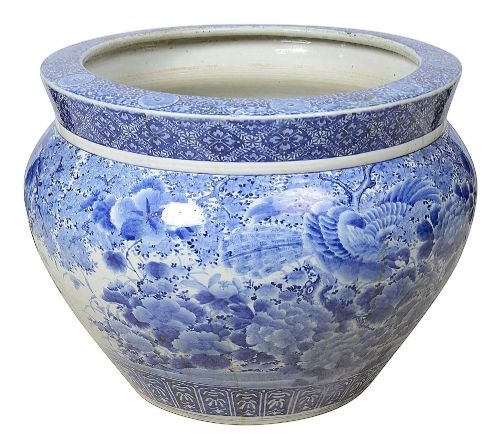
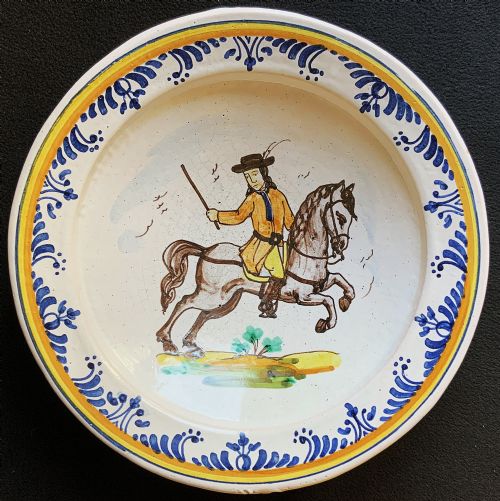
Every large blue white bowl on this page brings together centuries of ceramic tradition, spanning Chinese dynasties, Japanese kilns, and European earthenware production.
The version you are most likely to meet here is a substantial punch bowl, jardiniere, or deep serving vessel made for display and domestic use.
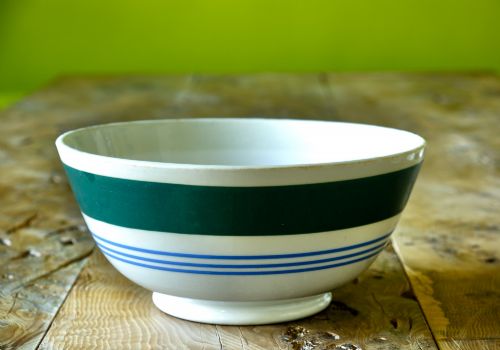
Pieces range from seventeenth-century oriental wares to Victorian English pottery and twentieth-century kitchen items, reflecting a vast heritage of blue pigment decoration.
Materials and technique
Potters shaped these vessels from porcelain, ceramic, or tin-glazed earthenware, applying cobalt underglaze or enamel pigments before firing.
Cobalt glaze provided the deep blue colour that fused permanently with the white ground under intense heat in the kiln.
Dogs enjoyed their own antique blue and white dining arrangements, as evidenced by surviving enamel bowls made specially for them.
Factors that define quality
The clarity and precision of the cobalt underglaze painting separate ordinary utility wares from the finest artistic output.
Depth of glaze, weight of the ceramic body, and the balance of form determine the standing of an individual vessel.
T G Green Pottery·Masons Ironstone·Worcester
The Large Blue White Bowl Glossary
- Cobalt Underglaze
- A blue metallic oxide pigment applied to pottery before glazing and firing, yielding a durable design beneath the glassy surface. This technique allows for fine brushwork that resists fading.
- Tin-Glazed Earthenware
- Pottery coated with a tin-opacified glaze that turns white and opaque upon firing, providing a smooth canvas for painted decoration. It formed the basis for European delftware and faience.
- Jardiniere
- A large ornamental pot or bowl designed to hold a live plant or floral arrangement. These vessels often stand independently or rest upon dedicated wooden stands.
- Punch Bowl
- A wide, deep vessel traditionally used for mixing and serving communal drinks at gatherings. Their generous proportions made them prime canvases for elaborate narrative scenes.
- Kraak Porcelain
- A type of Chinese export porcelain produced mainly during the Ming dynasty, characterised by panelled border designs and central motifs. It became immensely popular in Europe during the seventeenth century.
Large Blue White Bowl: Frequently Asked Questions
How were punch bowls used?
These large vessels sat at the centre of social gatherings to hold and serve mixed drinks to guests.
Servants would ladle the contents directly from the bowl into individual cups during feasts and celebrations.
Where were jardiniere bowls placed?
Gardeners and homeowners positioned these heavy planters in an orangery, hallway, or principal reception room.
They housed large potted plants or floral displays to bring greenery indoors during colder months.
How do I care for antique pottery?
Wash these vessels gently by hand using mild soap and avoid abrasive sponges that might scratch the glaze.
Keep them away from sudden temperature changes to protect the ancient ceramic body from thermal shock.
How can I tell periods apart?
Examine the weight of the ceramic, the tone of the blue pigment, and the style of the painted motifs.
Earlier pieces often show distinct potting marks and iron spots in the glaze that differ from later production methods.