



Large Bedside Tables
Large bedside tables are substantial pieces of bedroom furniture designed to hold lamps, clocks and books within easy reach.
Large Bedside Tables
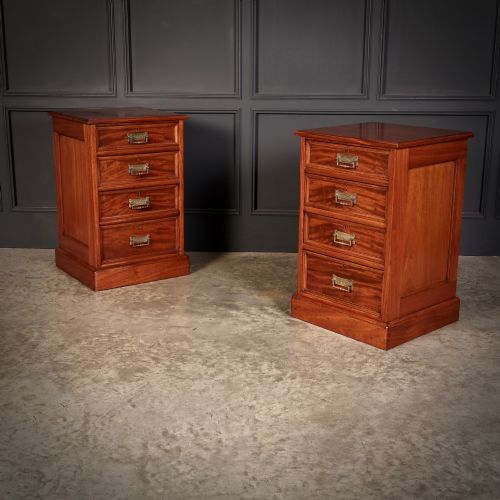
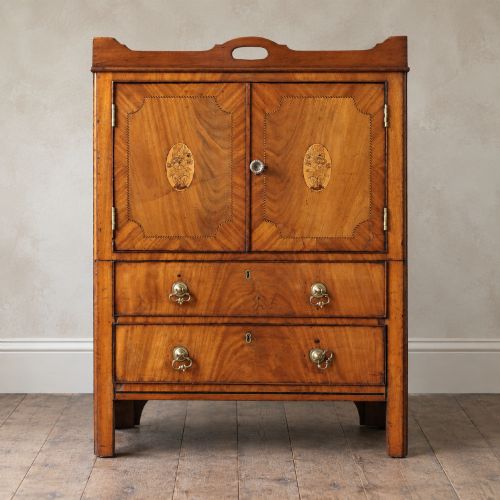
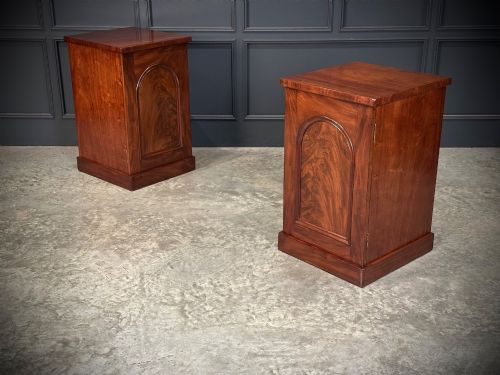
Large bedside tables include mahogany bedside chests, cabinets and pedestals dating from the Georgian, Victorian and Edwardian periods. These pieces provide generous surface space and enclosed storage next to the bed.
The selection also encompasses variations such as flame mahogany cabinets, burr walnut bowfront lockers and marble top bedside cabinets from around 1900. These items reflect traditional bedroom furniture requirements for larger sleeping quarters.
Makers represented in the broader listings include Whytock and Reid alongside designers such as Eileen Grey, showing the range of cabinetmaking traditions available.
How they were made
Construction relies heavily on timber selections such as mahogany, walnut and oak, often shaped into flame veneers or bowfront forms. Cabinetmakers utilised traditional joinery techniques to build robust carcasses that withstand daily use.
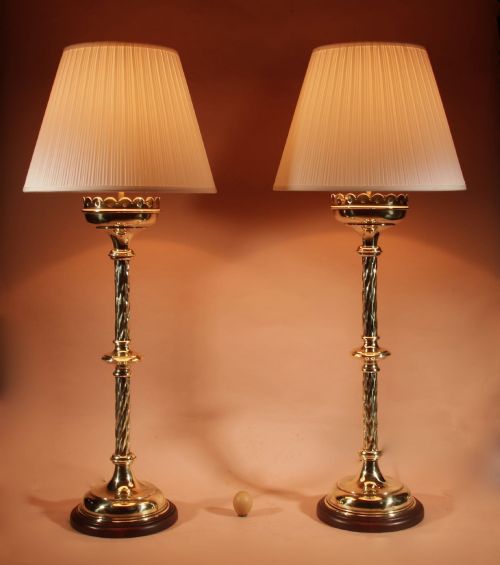
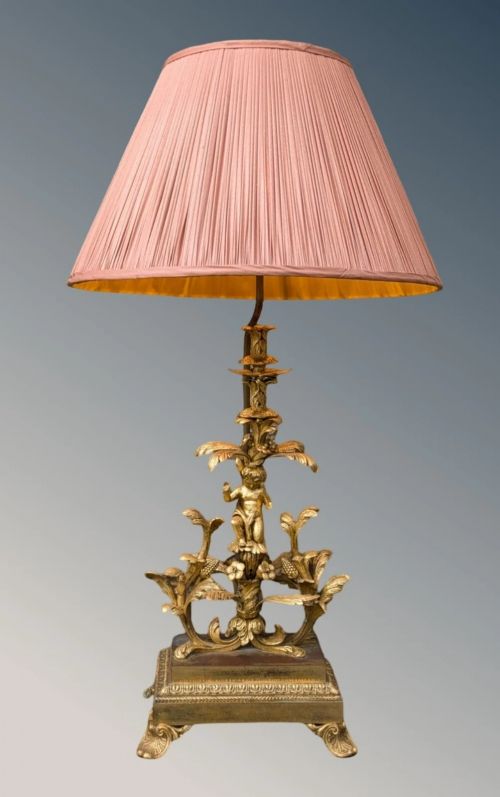
Surface ornamentation incorporates marquetry inlay, gilt bronze mounts, ormolu and marble tops, particularly on pieces influenced by French styles. Brass hardware and candle holders are cast or turned to add functional metal details.
Large Bedside Tables Retail Price Guide 2026
Typical asking prices for large bedside tables among the pieces listed under this phrase on Sellingantiques today, from the lower quarter to the upper quarter. They describe what is for sale here now, not the wider market.
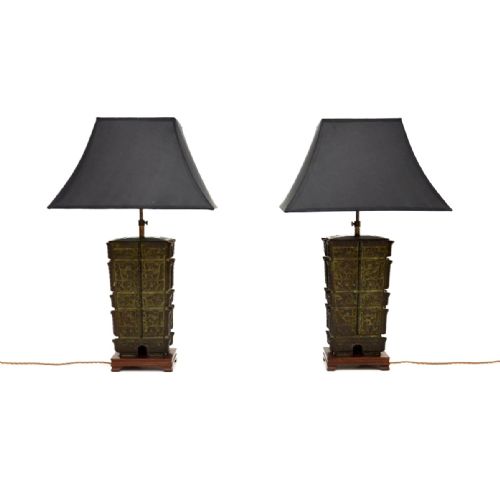
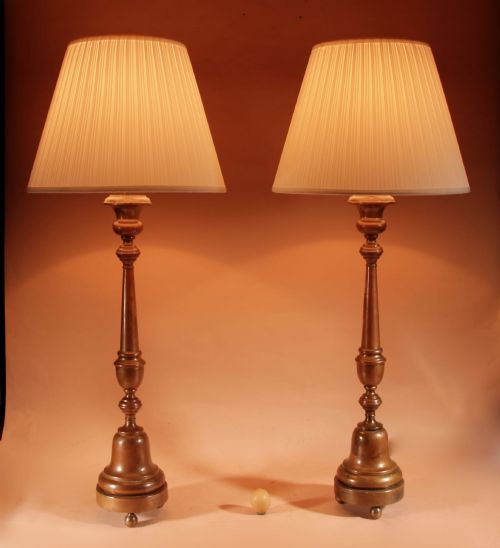
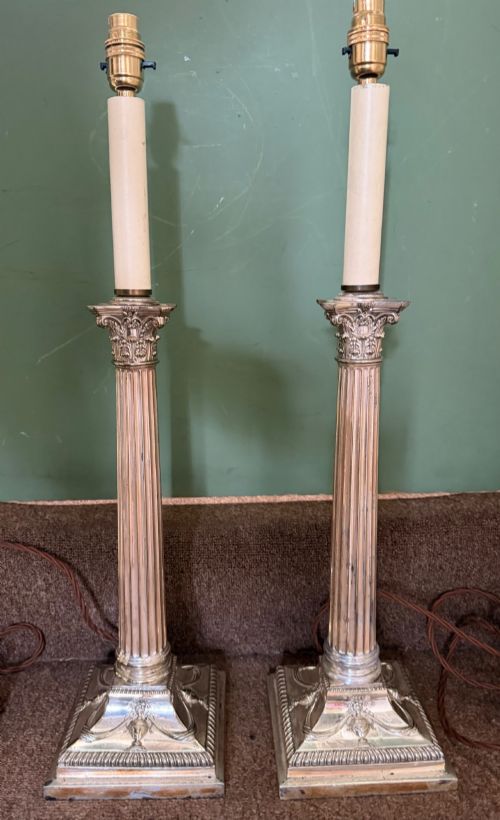
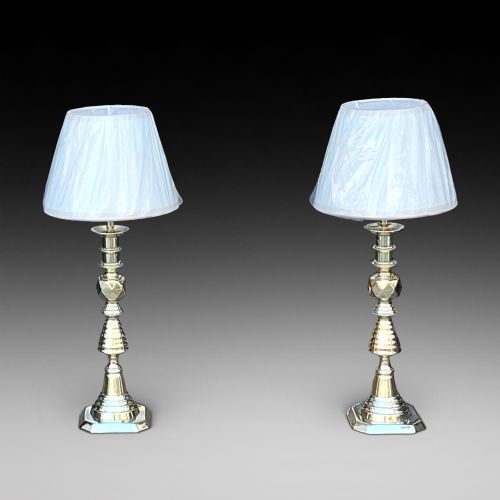
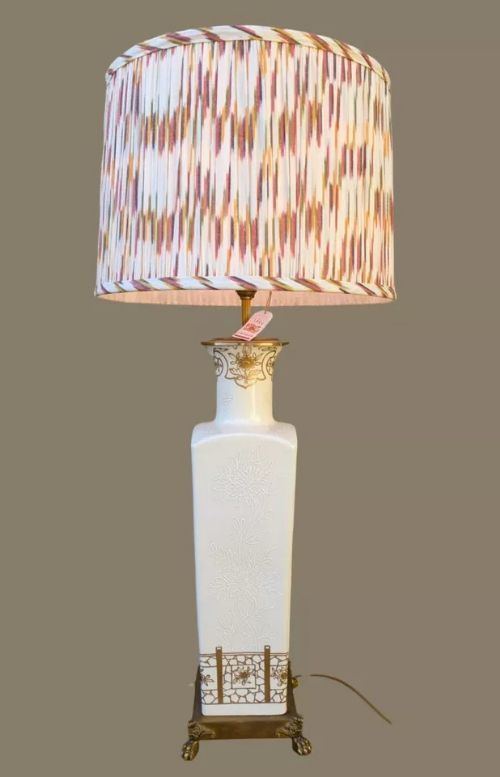
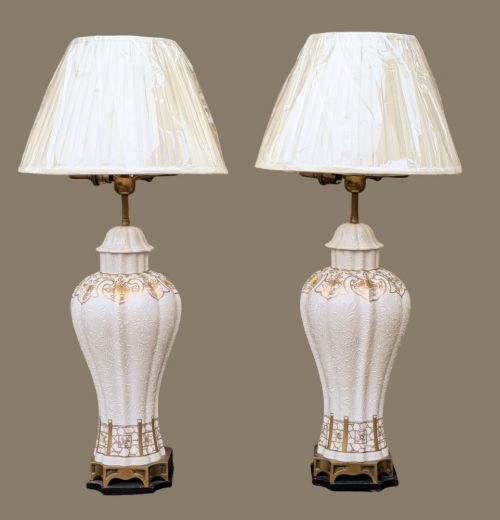
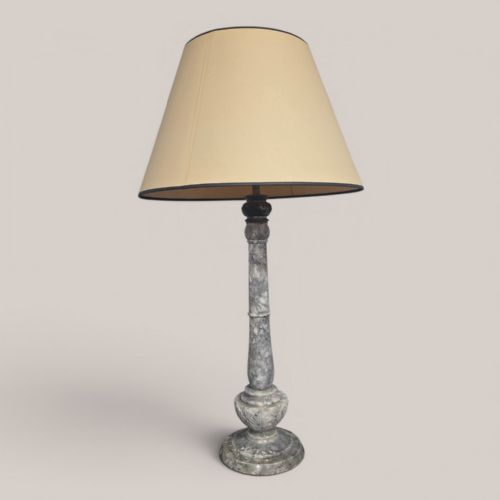
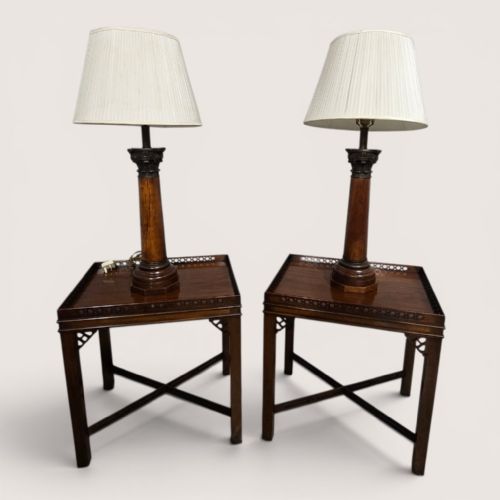
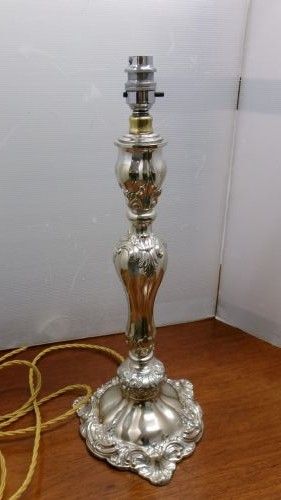
Listings include timber cabinets, marble surfaces, brass fittings and porcelain lamps spanning the nineteenth and twentieth centuries.
What varies in quality
Quality rests in the selection of timbers, such as figured mahogany and burr walnut, and the precision of the cabinet construction. Finer examples display careful grain matching across drawer fronts and doors.
The integration of secondary materials like ormolu mounts, marble slabs and marquetry inlay distinguishes standard utility pieces from high workshop production.
Whytock and Reid·Eileen Grey·Palmer and Co
The Large Bedside Tables Glossary
- Flame mahogany
- A veneer cut from the branch junction of the mahogany tree, creating a distinctive flamelike pattern. It was favoured by cabinetmakers for principal drawer fronts and cabinet doors.
- Bowfront
- A convex, outwardly curved front elevation typical of chests and cabinets. This curved shape requires skilled joinery to maintain structural integrity.
- Ormolu
- Gilded bronze ornamentation applied to furniture and lamps. The technique involves coating metal with a mercury and gold amalgam.
- Marquetry
- Inlaid patterns of various woods applied to a furniture carcass. Craftsmen assemble thin wood veneers to create pictorial or geometric designs.
- Nightstand
- A small low table or cabinet placed beside a bed. These objects provide surface area for nighttime necessities.
Large Bedside Tables: Frequently Asked Questions
What periods do these pieces date from?
The inventory spans the Georgian era, Victorian period, Edwardian years and the 1920s and 1930s. Styles range from classical revival to Art Deco.
Items reflect the cabinetmaking standards of their respective decades, utilising regional timbers and decorative techniques.
How do I identify mahogany bedside chests?
Mahogany chests display deep reddish-brown timber tones, sometimes enhanced with flame veneer figuring or marquetry details. They are constructed with heavy timber carcasses intended for bedroom use.
Drawer construction usually reveals hand-cut dovetails and solid secondary woods on older pieces.
Where were marble top cabinets made?
Marble top bedside cabinets appear in French and continental European designs around 1900. The stone surfaces provided a durable, wipe-clean shelf next to the bed.
Such cabinets often accompany matching bedframes in larger bedroom suites.
How do I care for walnut furniture?
Walnut surfaces require protection from direct sunlight and excessive moisture to prevent veneer lifting. Regular dusting with a dry cloth maintains the timber polish.
Avoid placing damp items directly onto antique wood or marble tops.