



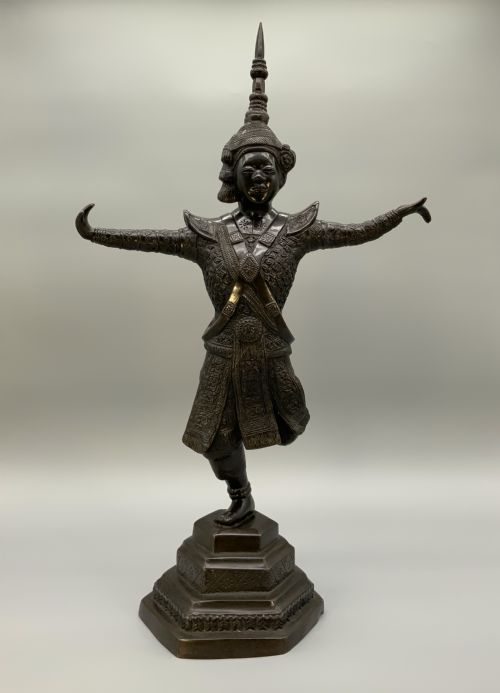


Large Asian Statue
A large asian statue brings the presence of temple guardians, deities, and animals into a room through substantial scale and historic handwork.
Large Asian Statue
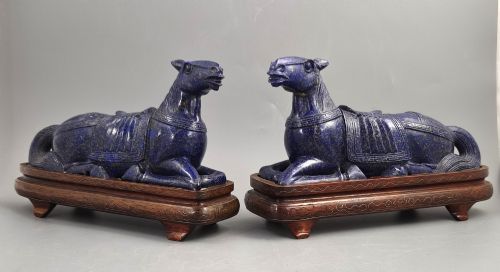
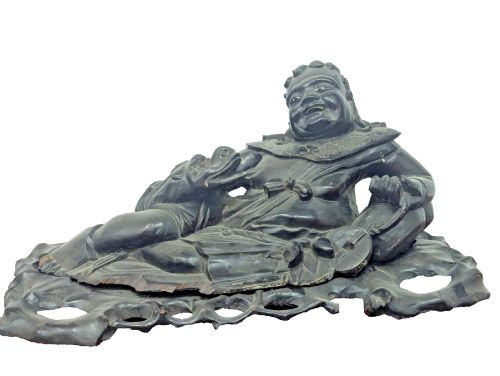
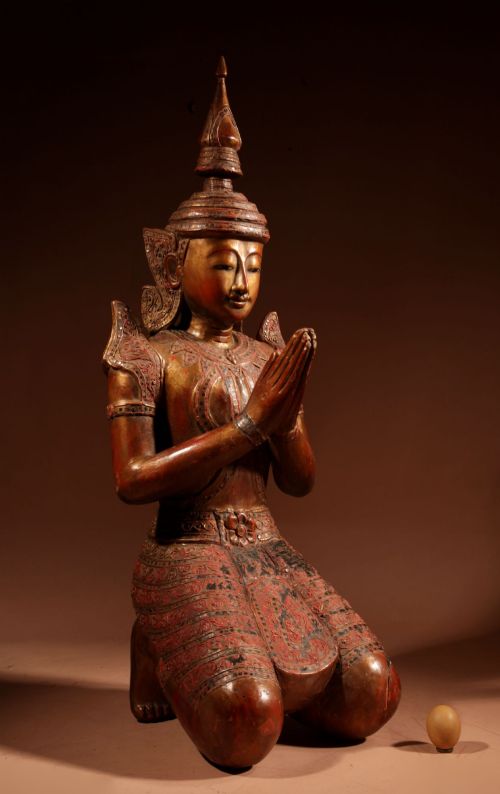
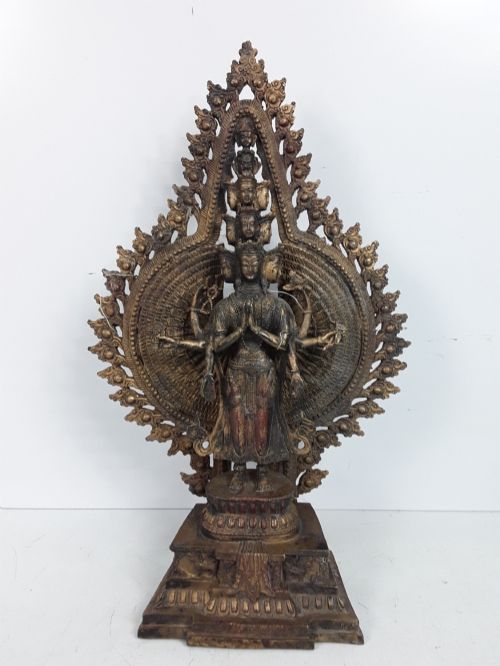
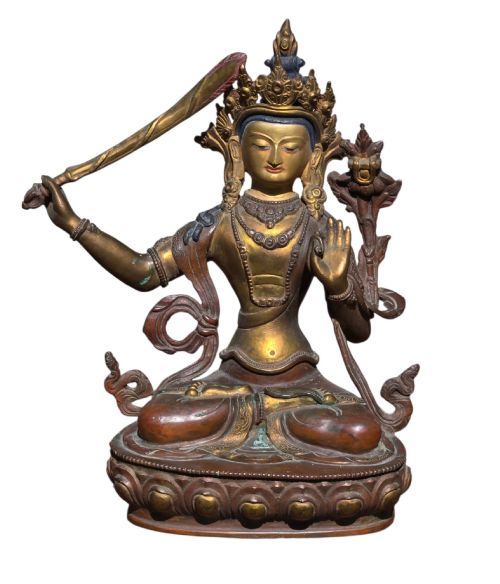
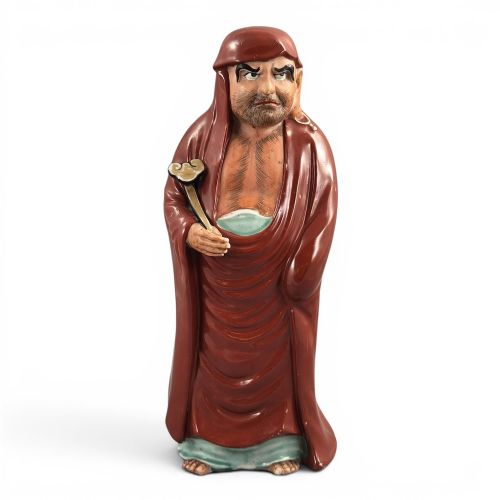
A large asian statue encompasses monumental bronze temple lions, carved hardwood figures, and gilt-bronze Buddhist deities originating from traditions across China, Japan, Tibet, and Southeast Asia. These pieces typically take the form of seated or standing Buddhas, guardian figures, mythical beasts, and birds created for ritual or decorative purposes.
Materials and construction
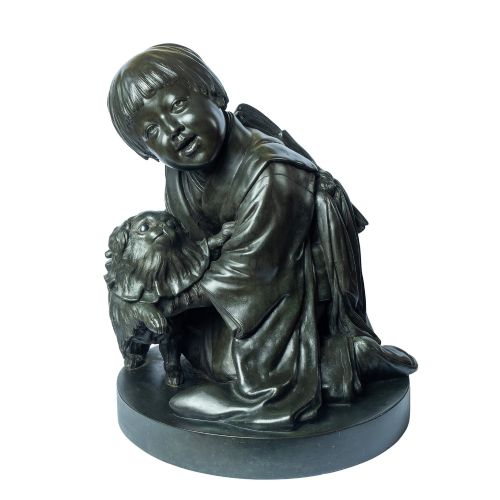
Makers utilised traditional casting methods such as lost-wax bronze work, often incorporating surface gilding, silver inlay, or copper alloy details to highlight drapery and ornamentation. Bronze sculptures range from hollow-cast animal figures to solid temple lions weighing tens of kilograms.
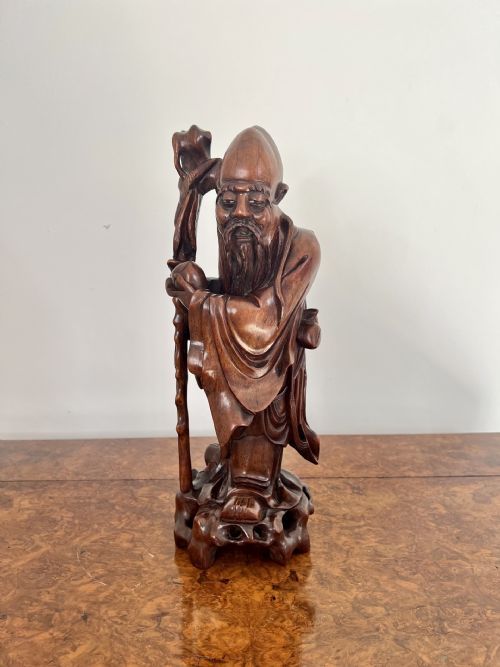
Wood and hardstone versions rely on skilled carving techniques applied to dense hardwoods, polychrome paint, and lacquered surfaces. Artisans shaped timber into detailed figures of dancers, sages, and Buddhas, sometimes mounting them on carved root wood bases.
Large Asian Statue Retail Price Guide 2026
Typical asking prices for large asian statue among the pieces listed under this phrase on Sellingantiques today, from the lower quarter to the upper quarter. They describe what is for sale here now, not the wider market.
Materials across these listings span bronze, hardwood, porcelain, and copper alloy, combined with surface gilding, lacquer, and polychrome paint.
Assessing the craftsmanship
Quality rests in the precision of the carving and the fluidity of the metal casting, where the definition in facial expressions, hair strands, and costume folds separates masterworks from standard production. Artisanal signature marks and intentional patination indicate higher workshop standards.
The integrity of the material, whether an uncompromised bronze casting with fine chased details or a hardwood figure retaining its original polychrome paint, dictates the artistic standing of the piece.
Masaaki·Seiunsai Miyamoto Sei·Gyoko
The Large Asian Statue Glossary
- Okimono
- A Japanese decorative statue or ornament designed for display on a shelf or in a tokonoma alcove. These objects demonstrate the high skill of Meiji period metalworkers and carvers.
- Bodhisattva
- An enlightened being destined to become a Buddha who delays nirvana to help others. These figures appear frequently in gilt-bronze and stone sculpture.
- Cloisonne
- A metalwork technique where enamel is applied within compartments created by soldered wire strips. This method appears on decorative animal figures and vessels.
- Sancai
- A traditional type of Chinese ceramic glaze employing three colours, commonly straw, green, and amber or brown. It is seen on porcelain animal and figure sculptures in Ming style.
- Meiji Period
- The era in Japanese history spanning from 1868 to 1912, characterised by openness to Western trade and exceptional achievements in bronze casting and decorative arts.
Large Asian Statue: Frequently Asked Questions
How do I clean bronze statues?
Dust surfaces gently with a soft, dry brush to prevent the accumulation of particles in recessed details. Avoid using water, oils, or chemical polishes that can strip the historic bronze patina.
Maintain a stable indoor humidity level to protect any associated wooden bases or applied gilding from environmental stress.
Where should I place a heavy statue?
Position large bronze temple lions and heavy hardwood figures on sturdy, level flooring or reinforced furniture capable of supporting significant weight. Ensure the piece sits away from direct heat sources to prevent timber splitting.
Allow adequate clearance around the sculpture so the proportions and detailed casting or carving remain visible from multiple angles.
How do I distinguish Chinese from Japanese bronzes?
Examine the stylistic motifs and finishing techniques, as Chinese bronzes often draw on imperial iconography and archaic vessel forms. Japanese bronzes from the Meiji period frequently display naturalistic animal subjects with high-relief textures and artist signatures.
Consider the casting weight and alloy composition, which vary according to regional foundry practices during the nineteenth century.
What does a temple lion symbolise?
Temple lions, also known as Foo dogs, serve as mythical guardians traditionally placed outside sacred buildings to ward off harmful spirits. Statues typically feature pairs with one animal holding a ball and the other guarding a cub.
Displaying these figures indoors reflects their historic role as protectors of domestic and sacred spaces.