



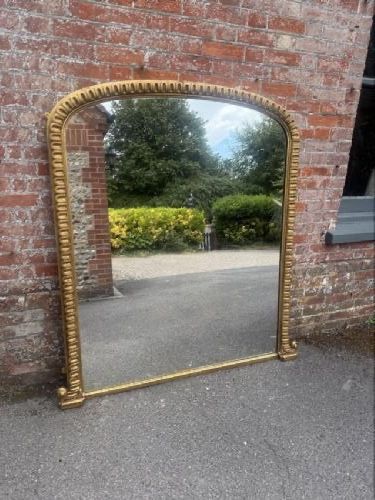
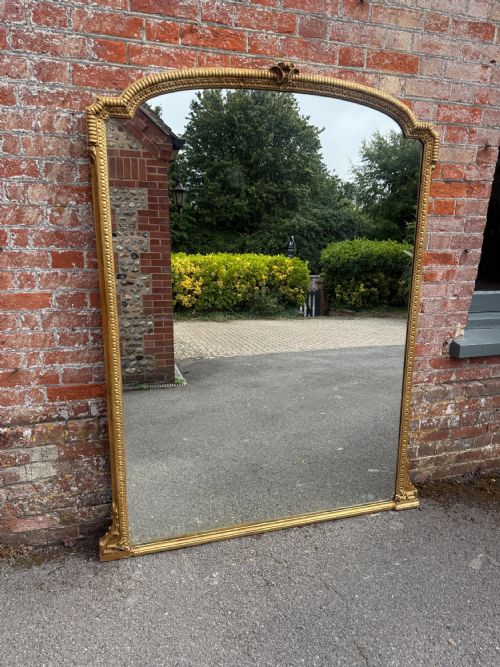
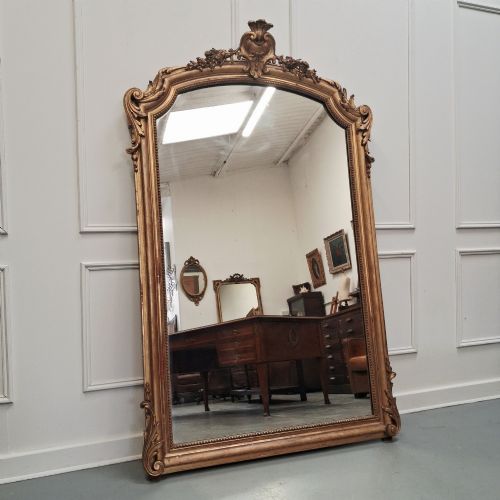
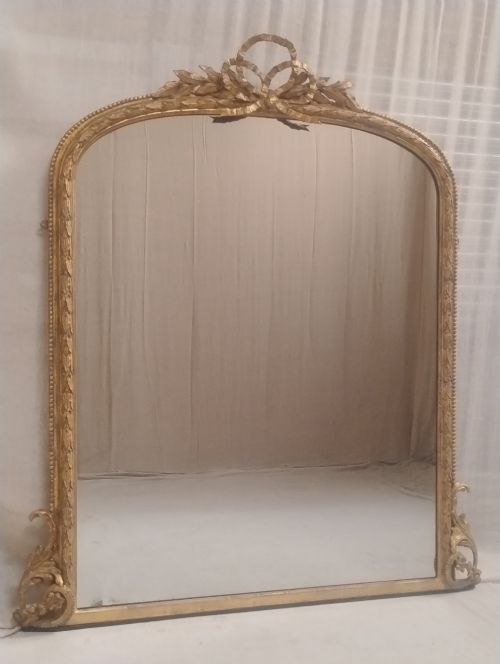
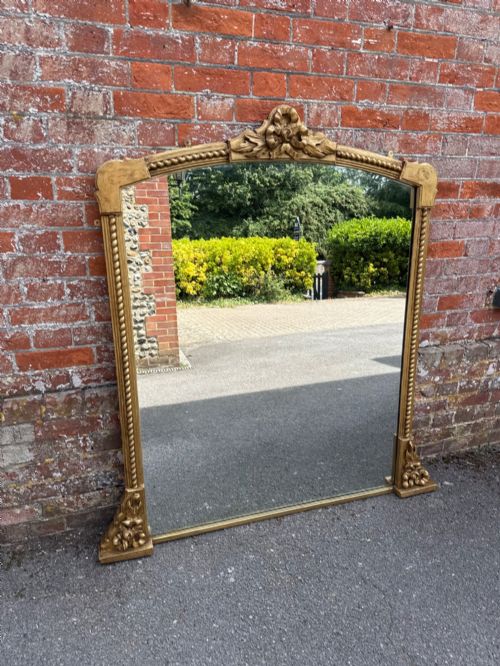
Large Arched Mantel Mirror
A large arched mantel mirror commands the chimney breast with architectural presence, reflecting light and amplifying the proportions of a principal reception room.
Large Arched Mantel Mirror
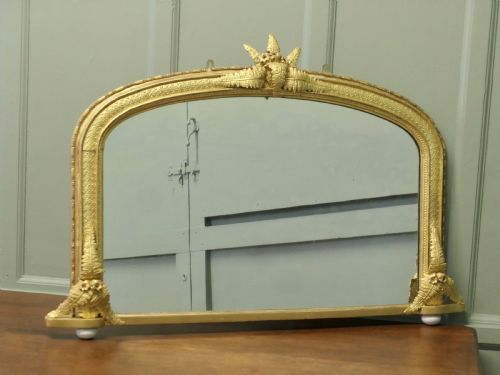
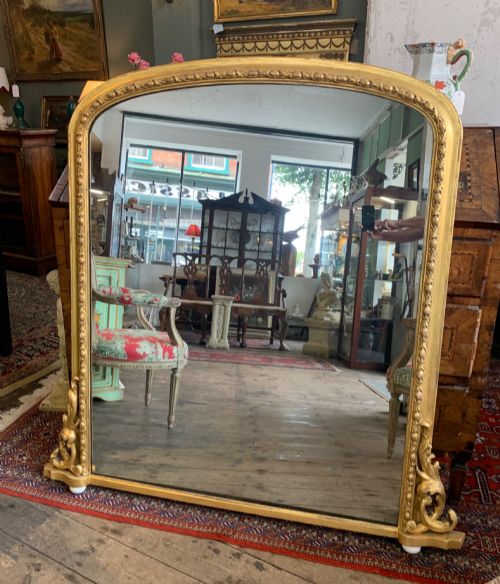
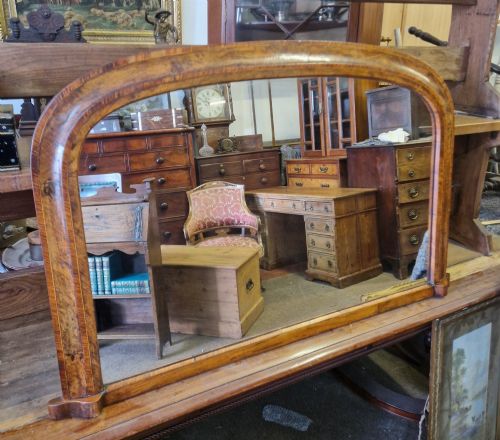
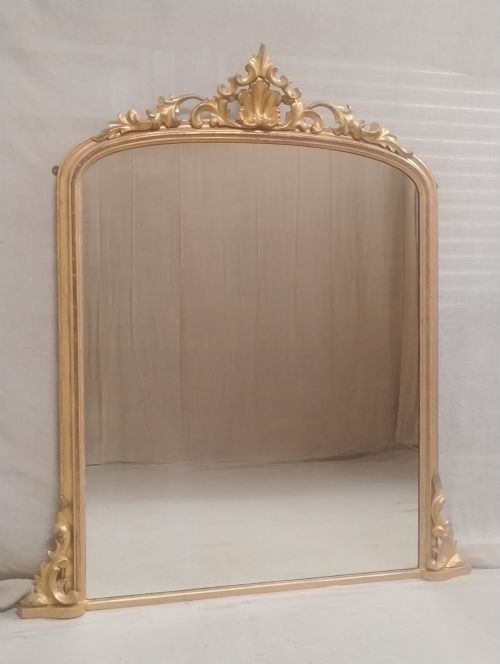
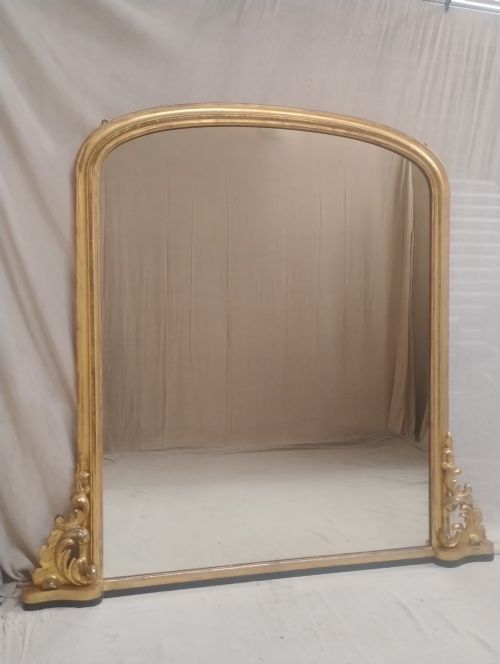
A large arched mantel mirror sits directly above a fireplace, designed specifically to span the width of the mantel shelf and draw the eye upward toward the ceiling line. These substantial pieces originate predominantly from the nineteenth century, encompassing Victorian, Regency, and Louis Philippe periods.
The primary forms found here are overmantel mirrors and wall mirrors featuring distinctive shaped or arched crests. English and French workshops produced these grand looking-glasses to brighten dark parlours by capturing natural light from opposite windows.
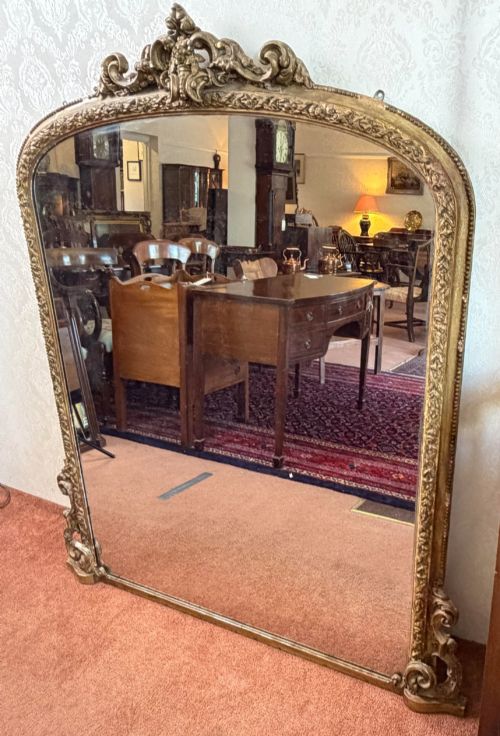
Most examples rely on generous proportions, frequently exceeding one and a half metres in height, constructed to anchor large nineteenth-century domestic interiors.
Materials and construction methods
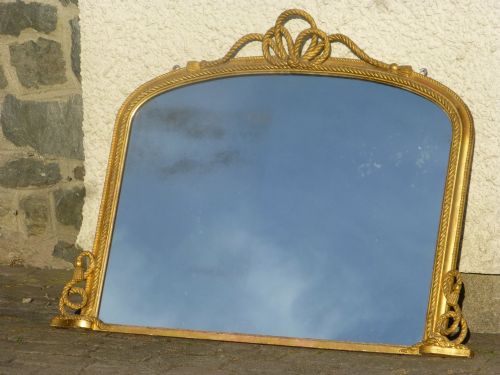
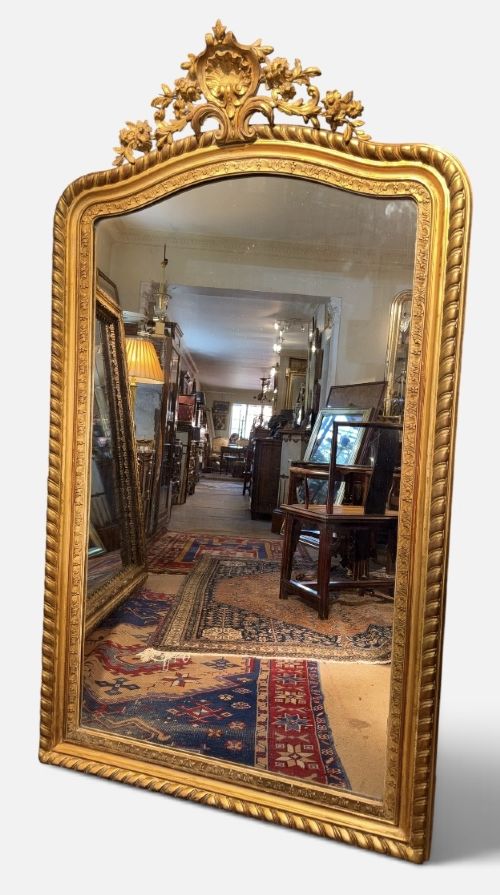
Makers built the foundational framework using carved timber, frequently applying layers of gesso to build up intricate surface ornamentation such as rope twists, floral motifs, and central cartouche crests. Artisans then gilded these surfaces using gold leaf or applied paint finishes.
Mirror glass was set into the timber rebate behind protective backboards, often secured with original pins and retaining the subtle foxing and irregularities characteristic of nineteenth-century silvering techniques.
Several mirrors include subtle nautical rope twist frames, offering a slight maritime nod within formal nineteenth-century parlours.
Distinguishing quality factors
The crispness of the carved wood and gesso ornamentation dictates the visual standard of the piece, separating deep, hand-chased relief work from softer, mass-produced moulding. Original gilding surfaces that retain their historical depth and patination hold greater authenticity than later repaint layers.
The retention of the original mirror plate adds significant character, showing age through subtle oxidation rather than modern distortion. Structural integrity in the heavy framework ensures the mirror hangs safely above the fireplace without sagging under its own considerable weight.
The Large Arched Mantel Mirror Glossary
- Overmantel mirror
- A looking-glass specifically proportioned to hang above a mantelpiece. These mirrors often feature low-profile bases designed to sit directly on the wooden shelf.
- Gesso
- A plaster-based mixture applied to wood frames and carved before gilding. This material allows for sharp, detailed decorative moulding.
- Giltwood
- Timber that has been coated with gold leaf over a prepared ground. It provides a luminous finish that reflects hearth fire and daylight.
- Cartouche
- An ornamental oval or shield-shaped frame design, often placed centrally on the crest of nineteenth-century mirror frames. It frequently serves as the focal point of the carving.
- Rope twist
- A carved decorative motif resembling braided cord. This pattern runs along the inner or outer moulding of several Victorian frames.
Large Arched Mantel Mirror: Frequently Asked Questions
How do I hang a heavy overmantel mirror safely?
These substantial frames require professional wall anchoring directly into masonry or secure timber studs using heavy-duty brackets rated for the weight of wood and glass.
Many examples were originally designed to rest its weight on the mantel shelf while secured to the wall at the top to prevent tipping.
What distinguishes a French Louis Philippe mirror from Victorian styles?
Louis Philippe mirrors typically present a softer, more restrained arched top with minimal ornamentation and subtle beaded or channeled framing.
Victorian English examples frequently display heavier carved detailing, such as rope twists, crests, and prominent wooden cartouches.
Why do antique mirror plates look different from modern glass?
Nineteenth-century mirror plates were cast and silvered using older chemical processes that create minor imperfections, dark spots, and gentle distortions.
These inherent traits contribute to the authentic visual depth and historic character expected in period looking-glasses.
Can these mirrors stand on a mantel instead of hanging?
Certain overmantel designs feature flat-bottomed bases intended to rest directly upon the marble or wooden mantel shelf.
Wall fixings remain necessary even when resting on a shelf to prevent the tall, top-heavy frame from falling forward.