

Large Tapestry
A large antique tapestry brings centuries of woven narrative, botanical verdure and heraldic display directly onto a wall.
Large Tapestry
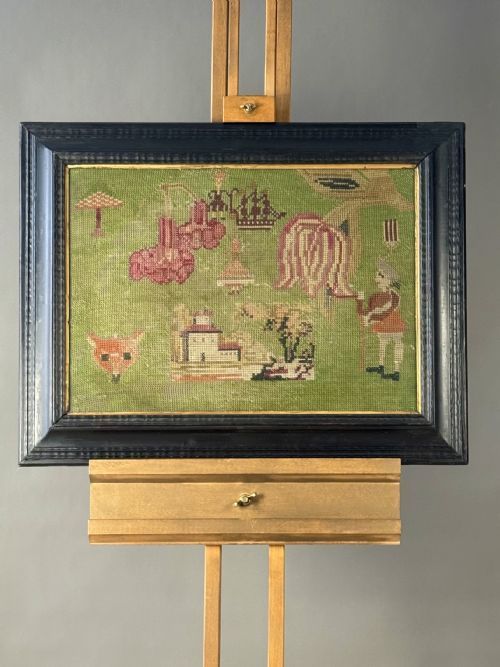
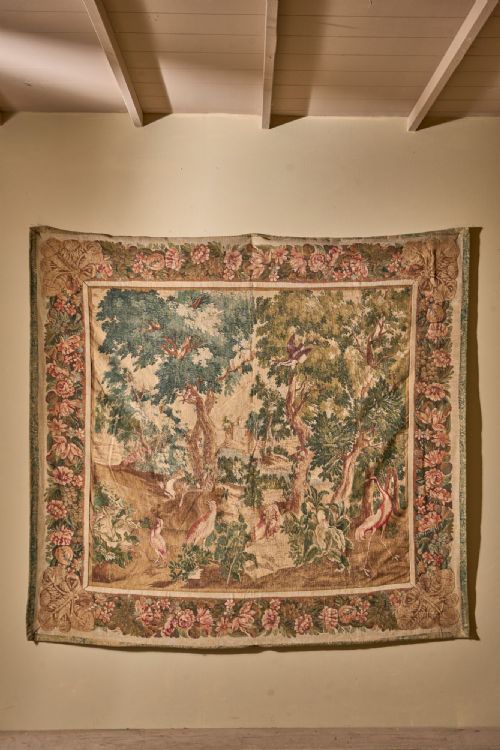
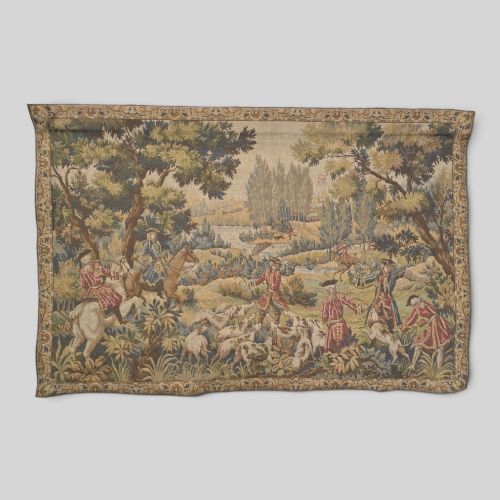
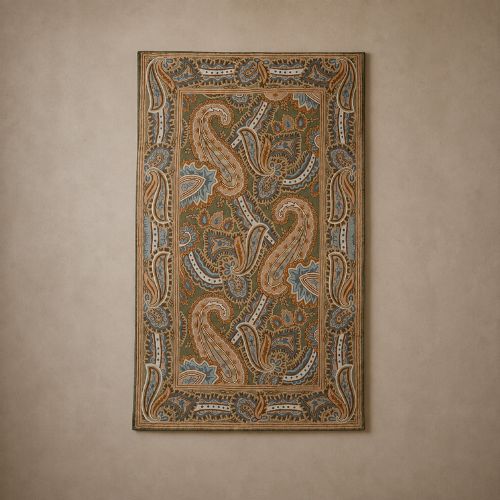
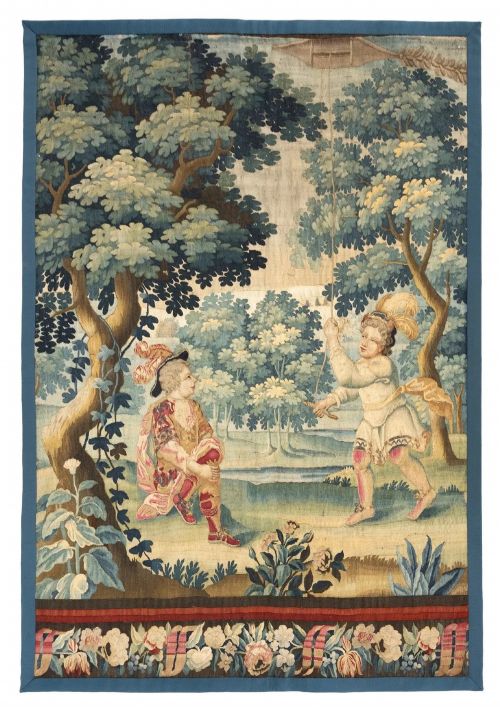
A large antique tapestry encompasses monumental wall hangings, framed needlework panels and woven textiles originating from European and Asian workshops. These substantial works often depict pastoral landscapes, mythological scenes, biblical narratives or floral motifs designed to insulate stone walls and dominate grand interiors.
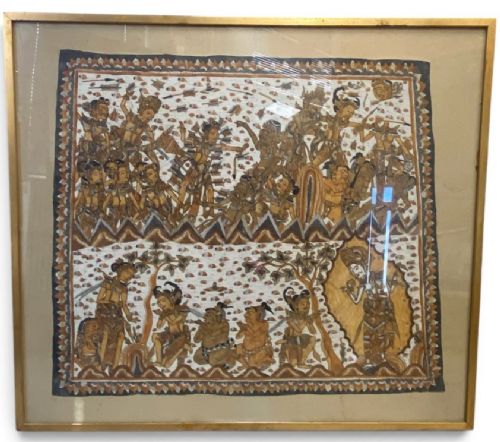
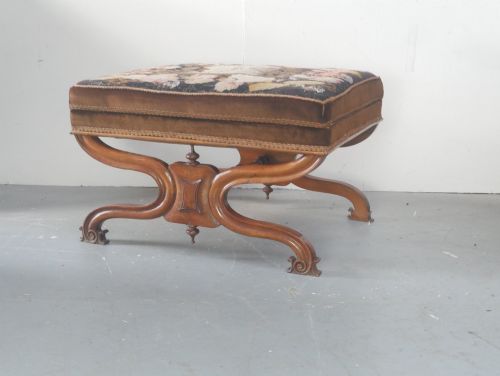
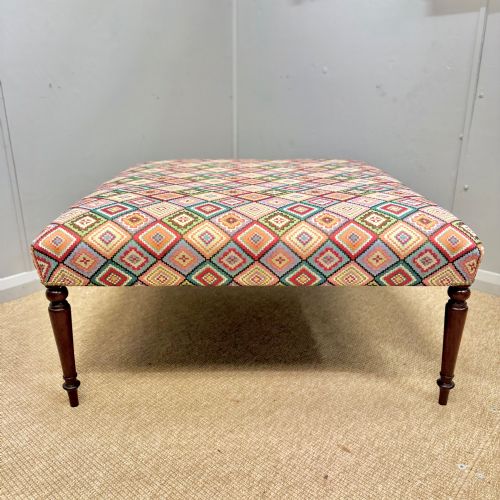
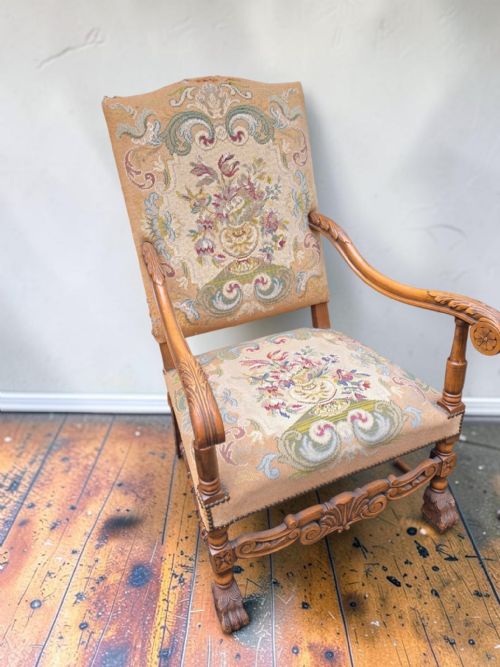
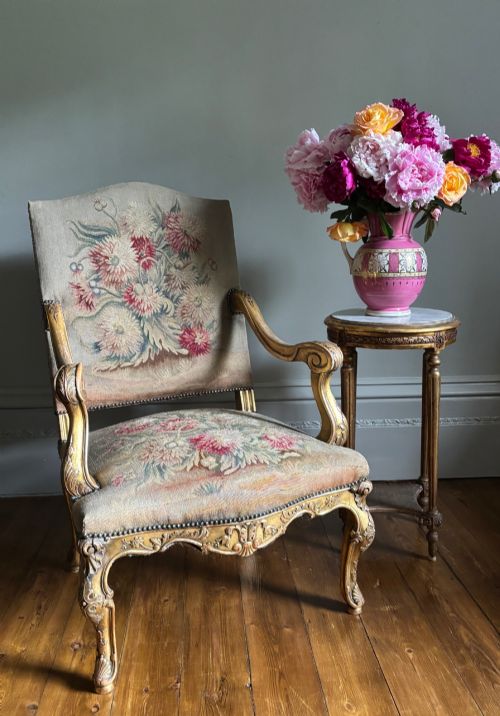
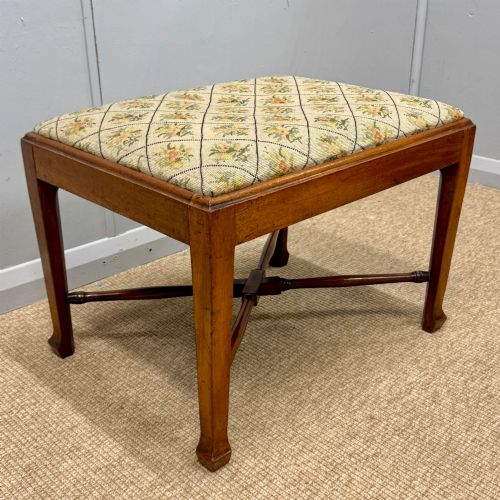
The pieces encountered most frequently on this page span the seventeenth to the nineteenth centuries, with notable French Aubusson and Flemish verdure examples appearing alongside Victorian needlepoint and Eastern textile panels. Buyers also discover upholstered armchairs, fire screens and footstools incorporating fragments of these historic textiles.
Woven wall hangings command attention through scale and pictorial depth, functioning as primary decorative elements within a room. Their presence bridges architectural space and textile artistry, preserving centuries of manual labour in wool, silk and linen.
Materials and construction
Traditional production relied upon hand-weaving techniques executed on high-warp or low-warp looms, employing dyed wool and silk threads to build complex pictorial compositions. Skilled weavers manipulated supplementary weft threads across warp foundations, often incorporating metallic threads for added luminance.
Needlework variants utilise wool, cotton and silk yarns stitched meticulously onto linen or canvas grounds, creating dense Berlin woolwork or petit-point surfaces. Supporting furniture and fire screens integrate structural hardwoods such as walnut, oak and mahogany alongside gilded softwood frames.
Listings feature works spanning from the seventeenth century through to the Edwardian era, incorporating wool, silk, giltwood and walnut.
Judging quality and execution
Quality rests upon the density of the weave, the subtlety of the colour palette and the fidelity of the pictorial design. Finer works display intricate shading through meticulous colour blending, whilst simpler pieces rely on coarser stitches and starker contrasts.
Hallett And Sons
The Large Tapestry Glossary
- Verdure
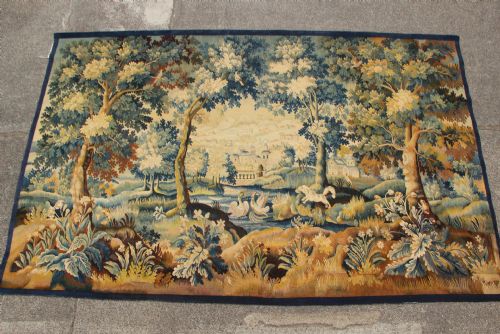
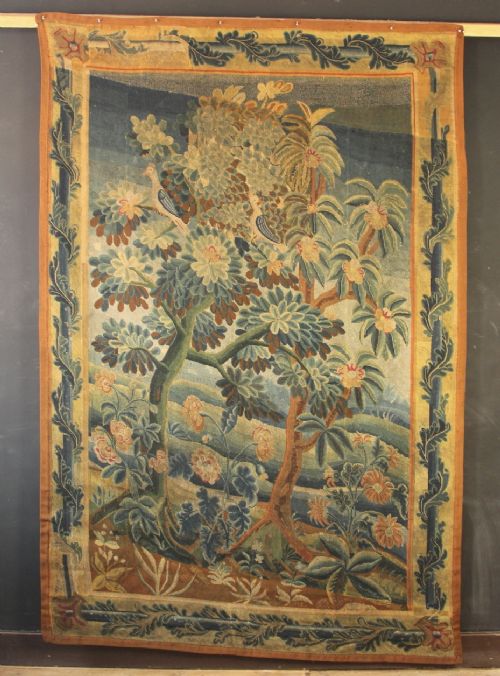
- A type of tapestry dominated by botanical foliage, trees and landscapes, frequently featuring birds or architectural elements in the background.
- Aubusson
- Woven wall hangings and carpets produced in the French town of Aubusson, known for pastoral scenes and refined floral bouquets.
- Warp
- The stationary vertical threads stretched across a loom that form the structural grid into which the colourful weft is woven.
- Weft
- The horizontal threads passed through the warp to create the visible pattern and colour of the textile.
Large Tapestry: Frequently Asked Questions
How were large antique tapestries originally displayed?
Historic interiors utilised these heavy textiles primarily as wall insulation in draughty stone castles and manor houses, hanging them on hooks or wooden battens to cover cold masonry.
Over subsequent centuries, wealthy households repurposed them as decorative focal points in drawing rooms, sometimes cutting larger pieces down to fit specific wall panels or integrating them into firescreens and upholstery.
What is the difference between a verdure and a historical tapestry?
Verdure tapestries focus almost entirely on lush landscapes, woodland scenes, foliage and occasional animals, creating a moody, atmospheric backdrop for a room without telling a specific story.
Historical or mythological tapestries depict specific narratives involving human figures, deities, or biblical events, requiring skilled figurative weaving and careful composition of facial expressions and gestures.
How should a textile wall hanging be cared for?
Preserving a historic textile requires mounting it securely to distribute its weight evenly across a breathable backing fabric, avoiding direct tension on fragile old fibres.
Protecting the piece from direct sunlight prevents the fading of natural wool and silk dyes, whilst maintaining stable indoor humidity guards against mould and insect damage.
How do you distinguish Aubusson work from Flemish weaving?
Flemish pieces, particularly those from the seventeenth century, typically feature deep, dark greens and earthy tones within dense woodland settings, often framed by elaborate floral borders.
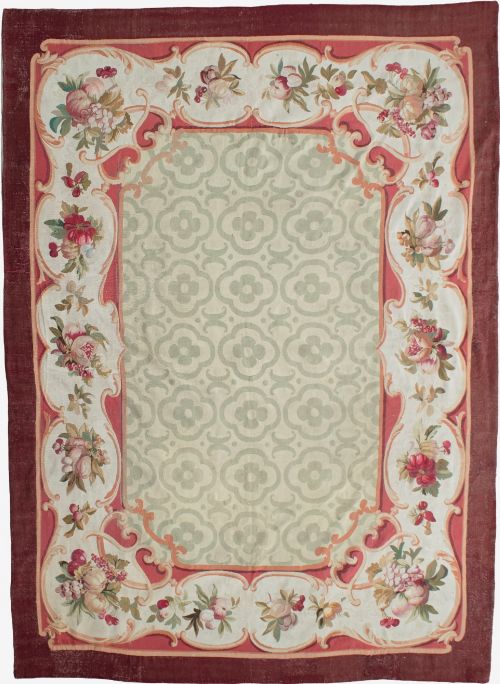
Aubusson production generally favours lighter pastel palettes, graceful pastoral vignettes, and architectural or floral cartouches characteristic of later French decorative taste.