

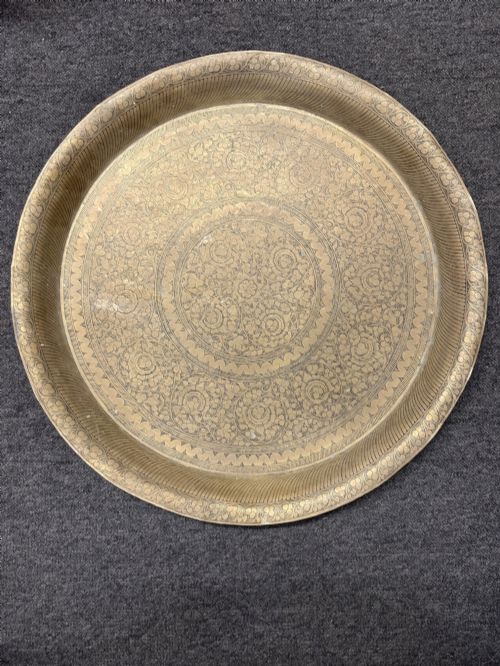
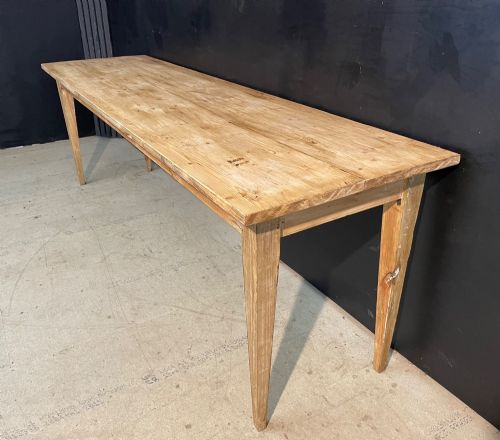
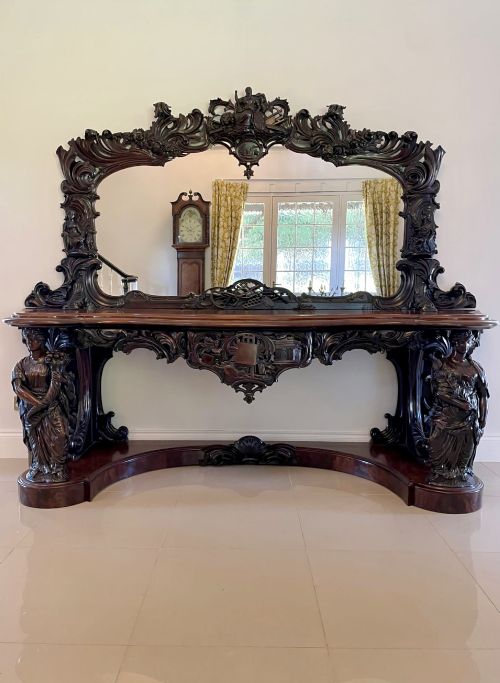
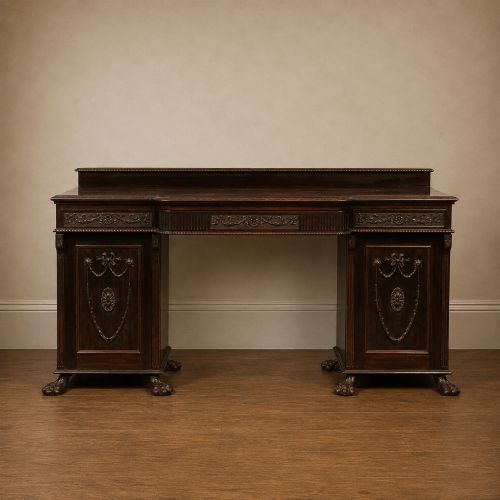
Large Serving Table
These large antique serving table examples span centuries of dining room utility, offering robust timber surfaces and formal elegance for modern interiors.
Large Serving Table
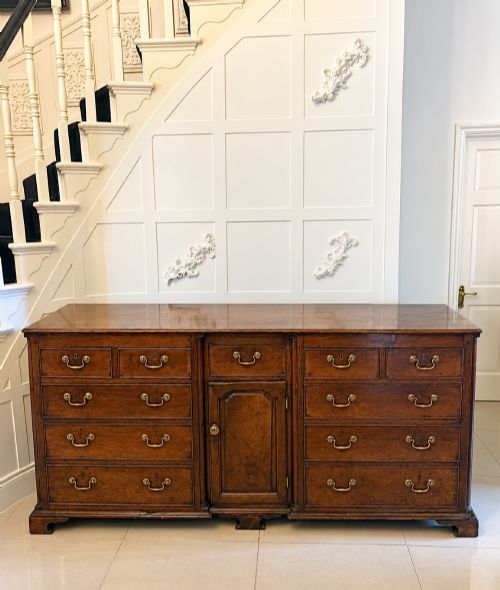
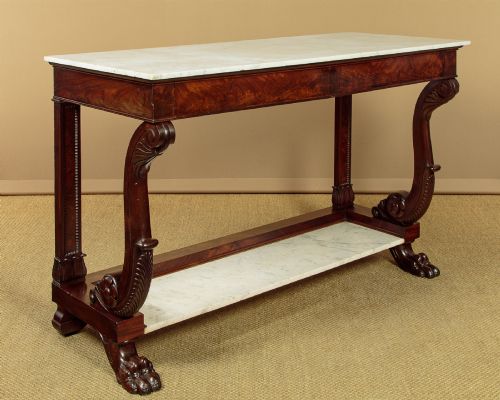
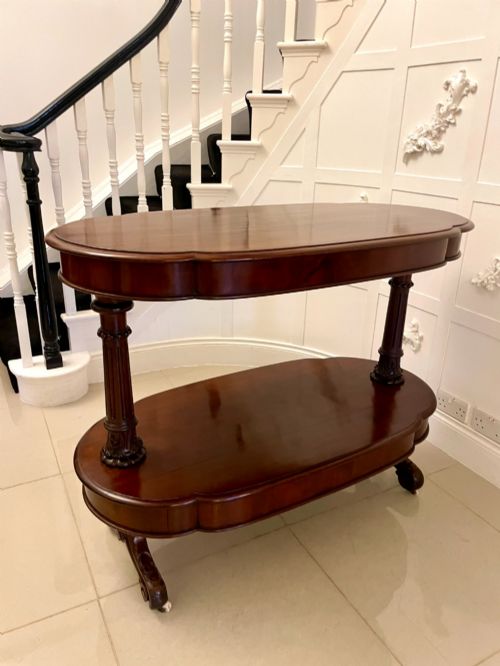
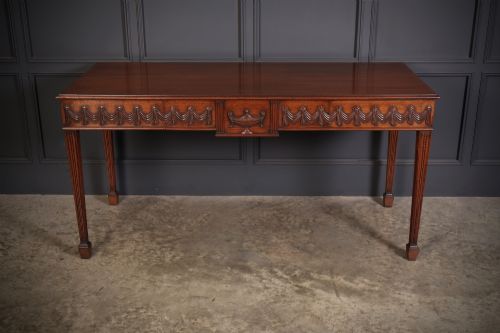
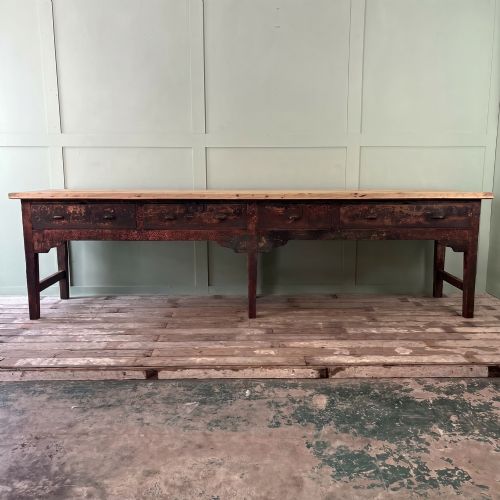
A large antique serving table provides a substantial wooden surface designed for the preparation and presentation of food during dining occasions. When searching for this phrase, buyers encounter forms ranging from formal mahogany console tables to sturdy country house potboard designs.
The pieces listed here originate primarily from the eighteenth and nineteenth centuries, encompassing Georgian, Regency, and Victorian aesthetics. Alongside mahogany and oak console formats, the category frequently embraces painted pine country tables and oak refectory variants.
These tables function effectively in contemporary dining rooms or hallways as sideboards or console surfaces. Their origins span English country houses, Scottish workshops, and French provincial settings, reflecting diverse regional furniture traditions.
How they were made
Cabinet makers utilised dense hardwoods like mahogany and oak for structural integrity and refined surfaces, occasionally employing pine for provincial or painted utility pieces. Joinery techniques include pegged joints, hand-cut dovetails, and panelled construction suited to heavy domestic service.
Surface treatments range from French polish and wax finishes on figured mahogany to original or layered paint on pine and oak bodies. Decorative elements incorporate carved details, gilded accents, and potboard lower shelves for additional storage.
Large Serving Table Retail Price Guide 2026
Typical asking prices for large serving table among the pieces listed under this phrase on Sellingantiques today, from the lower quarter to the upper quarter. They describe what is for sale here now, not the wider market.
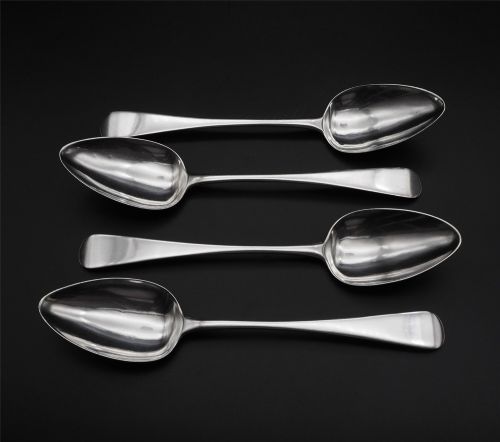
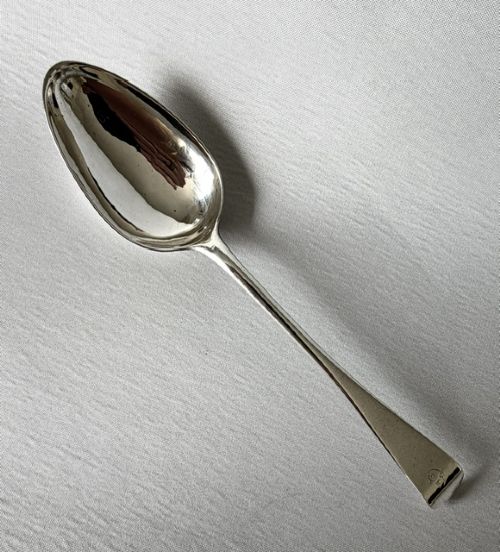
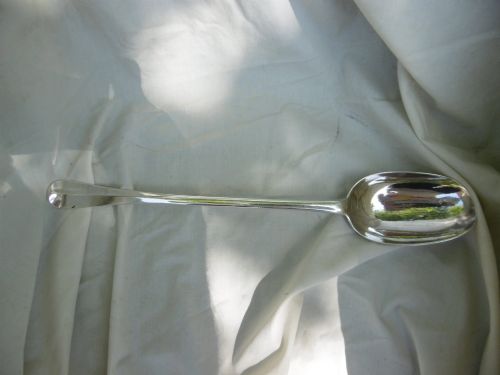
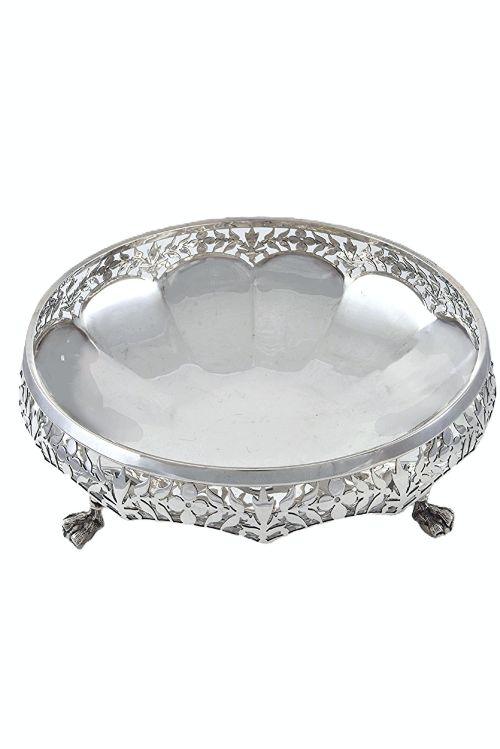
Materials in this selection span solid mahogany, figured oak, painted pine, and sterling silver components.
What varies in quality
The grading of these tables depends on the selection of timber, such as highly figured mahogany versus standard utility pine, and the crispness of hand-carved architectural details. Superior examples display integrated construction methods and well-balanced proportions that maintain stability across large expanses.
Provenance and maker attribution elevate certain pieces, distinguishing standard regional workshop production from documented country house commissions. Original surface patination and minimal structural alteration preserve the historical integrity that defines the upper tier of the category.
Andrew Archer·William Scarlett·John Wilks·Georg Jensen·Whytock and Reid
The Large Serving Table Glossary
- Potboard
- An open lower shelf fitted between the legs of a table or dresser, originally intended for storing pots and heavy kitchen utensils. This practical feature appears frequently on English country serving tables.
- Console table
- A table designed to stand against a wall, often supported by scroll legs, brackets, or console mounts. Many large serving tables share this wall-adjacent format.
- Refectory table
- A long, narrow dining table traditionally used in monastic refectories and later adapted for domestic dining and serving use. These tables utilise heavy wooden stretchers for enhanced stability.
- Breakfront
- A piece of furniture featuring a central section that projects forward from the flanking sections. This architectural arrangement creates depth and visual rhythm on larger sideboards and serving tables.
- Serpentine
- A curved line that undulates outward in the centre and inward at the sides. Cabinet makers applied this profile to the front edges of high-status serving tables.
Large Serving Table: Frequently Asked Questions
Where did serving tables stand?
These tables traditionally stood against dining room walls to hold dishes, platters, and silverware before service.
In modern rooms, they function similarly behind dining chairs or serve as long console tables in hallways.
How do I clean mahogany?
Maintain polished mahogany surfaces by dusting with a soft dry cloth and applying beeswax periodically to nourish the grain.
Avoid placing these tables in direct sunlight or near heat sources to prevent timber splitting.
Are pine tables antique?
Pine serving tables frequently date from the eighteenth and nineteenth centuries, originating in country houses, kitchens, and drapers shops.
Their painted or scrubbed finishes reflect practical working use rather than formal dining room display.
What is a potboard shelf?
A potboard is a lower open platform built between the lower legs of a serving table to provide extra storage space.
This structural addition helps anchor heavy oak and pine tables while offering room for large serving vessels.