


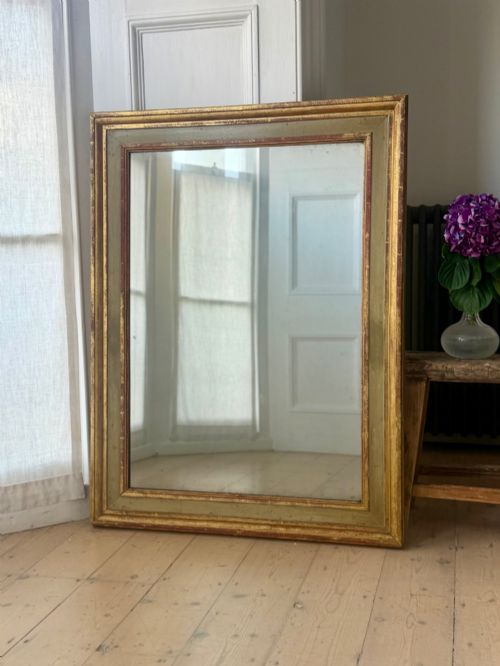
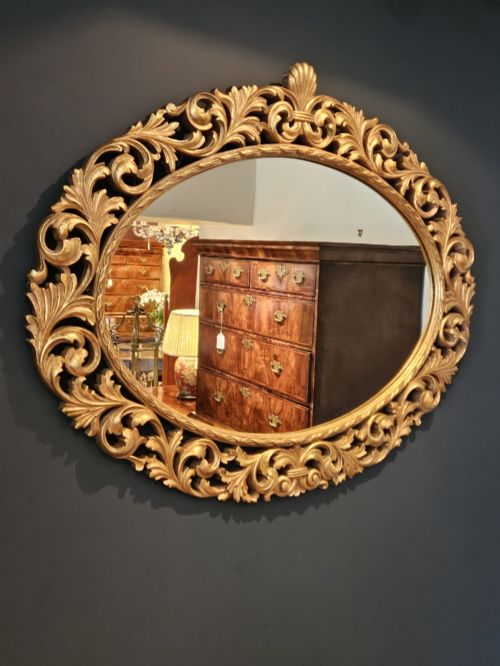
Large Mirror Frame
These large antique mirror frames bring scale and history to an interior, offering ornate woodwork and deep gilding shaped across the nineteenth century.
Large Mirror Frame
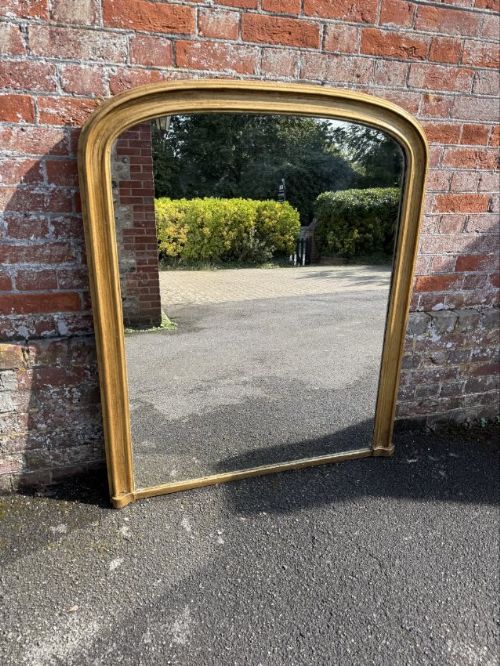
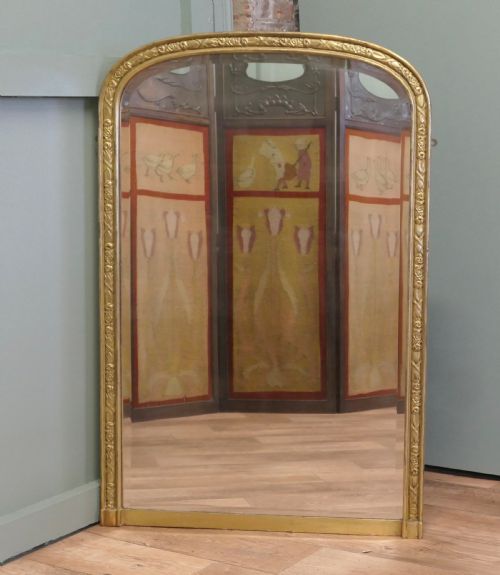
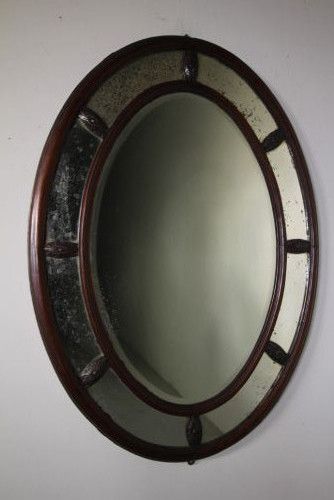
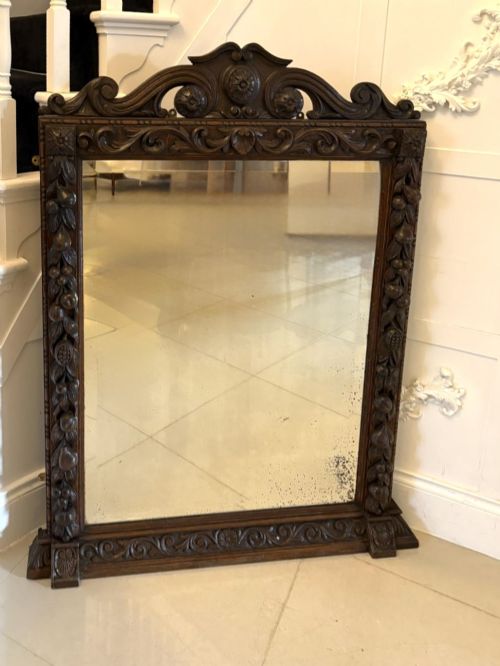
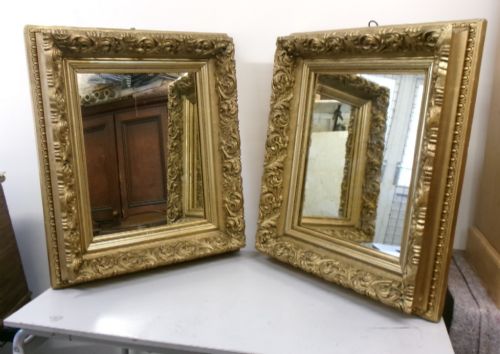
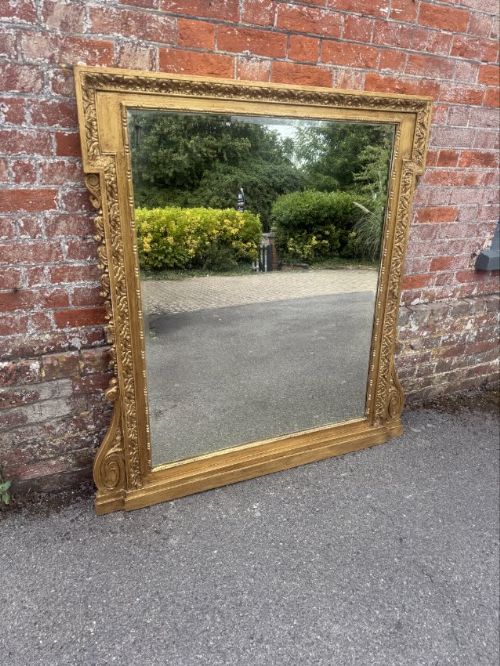
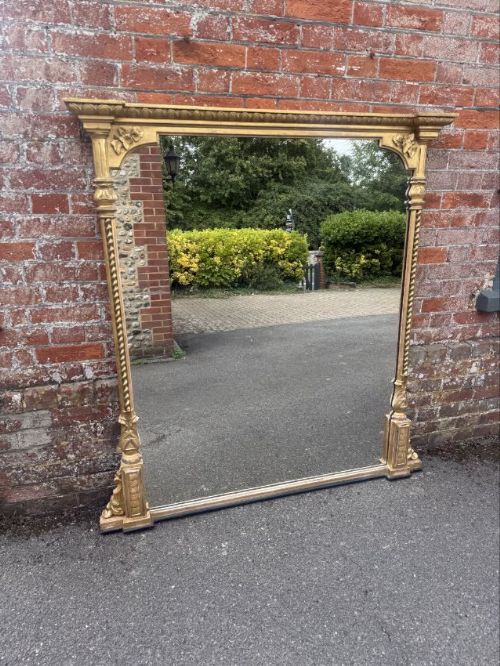
A large antique mirror frame serves as a substantial focal point for an interior, frequently taking the form of an overmantel designed to sit above a fireplace. These pieces originate predominantly from the nineteenth century, encompassing Victorian, Regency, and French decorative traditions.
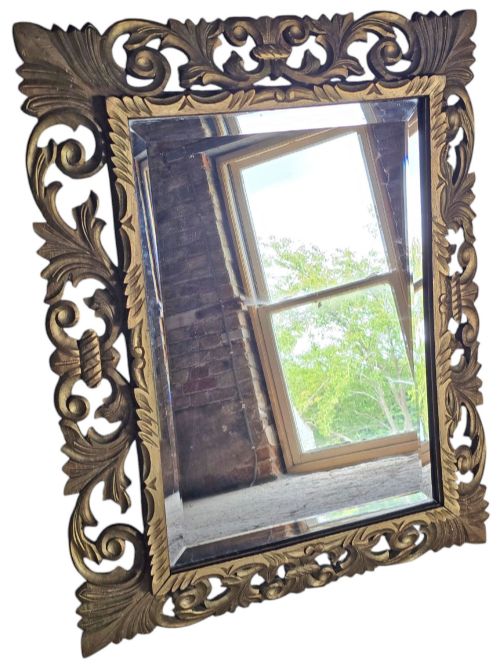
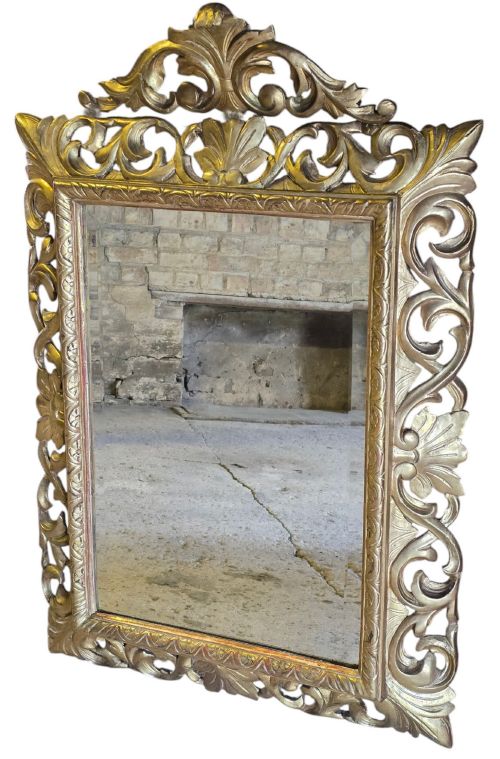
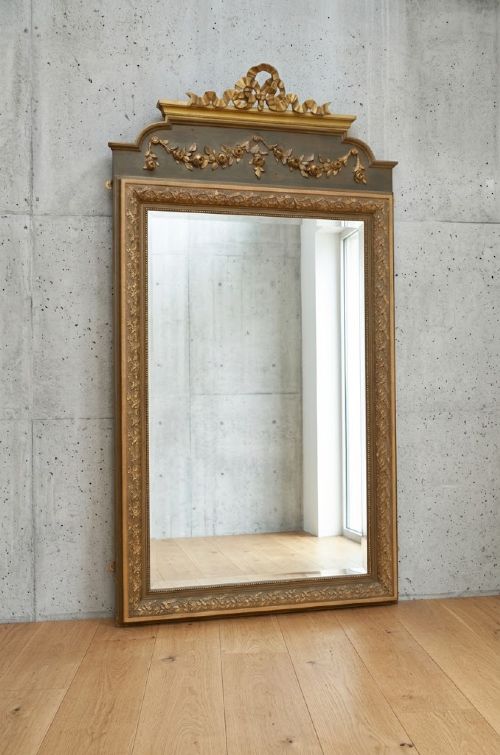
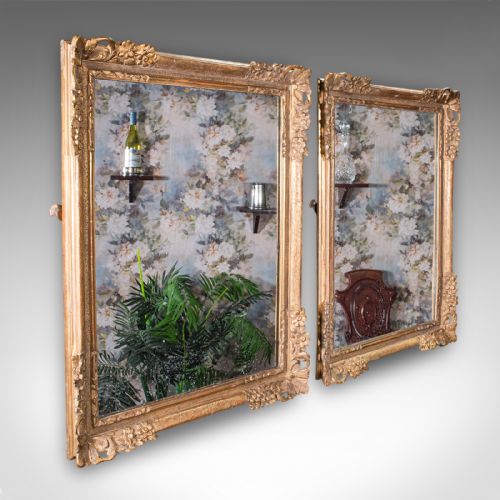
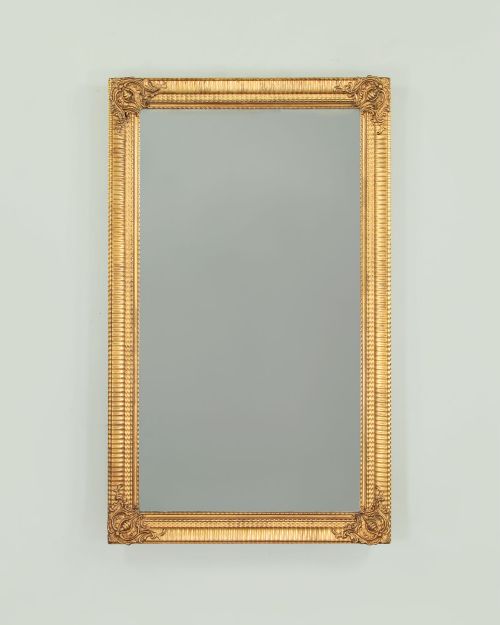
The selection includes heavy giltwood frames with arched tops, rectangular overmantels with column details, and oval or rectangular timber wall mirrors in mahogany and oak. Makers applied intricate rope twists, ribbon crests, and foliate carving to wood and gesso structures intended to anchor a room.
Buyers encounter both English country house styles and ornate continental models, ranging from simple country oak to heavily gilded display pieces with original mirror plates.
How they were made
Carved timber forms the foundational structure of these frames, utilising woods such as oak, mahogany, and pine. Artisans shaped the primary supports through traditional joinery before applying decorative surface layers.
Gesso, a mixture of plaster and glue, was applied over the wood base and hand-carved or moulded into relief details like rope twists, ribbons, and foliate scrolls. Gold leaf or gilt was then laid over the gesso ground, creating the characteristic metallic sheen seen on period pieces.
Mirror glass was fitted into the rebates, with older examples featuring mercury glass or early silvered plates that exhibit natural foxing and ageing over time.
Listings feature nineteenth-century pieces alongside Georgian and Edwardian examples, utilising materials like glass, gesso, giltwood, and oak.
What varies in quality
The depth and crispness of the hand-carved wood and gesso ornamentation separate standard production from superior examples. Finely executed rope twists, sharp architectural columns, and deeply modelled crests indicate higher workshop skill.
The integrity of the original gilding and the preservation of the mirror plate itself define the grade of the piece. Frames retaining their original gold leaf without excessive over-painting, paired with period mercury or early silvered glass, command greater interest.
Structural robustness in the heavy timber framing ensures the piece supports its own considerable weight safely over a mantelpiece or wall.
Charles Nosotti
The Large Mirror Frame Glossary
- Gesso
- A prepared mixture of chalk, gypsum, and glue used as a base for gilding and relief moulding on wooden frames. It provides a smooth surface that artisans could carve into intricate decorative motifs.
- Overmantel
- A large mirror specifically constructed to hang on the wall directly above a fireplace mantelpiece. These pieces often feature wide horizontal proportions and arched or decorative crests.
- Mercury glass
- A type of double-walled glass blown in the nineteenth century with a silver-and-mercury amalgam poured between the layers. It yields a distinctive speckled and reflective appearance known as foxing.
- Giltwood
- Timber, usually pine or soft wood, coated with gesso and gold leaf. It forms the shimmering surface characteristic of formal nineteenth-century interior mirrors.
- Pier glass
- A tall mirror designed to hang on the narrow section of wall between two windows, often placed above a matching pier table. These vertical glasses maximise natural light in a room.
Large Mirror Frame: Frequently Asked Questions
What is foxing on a mirror plate?
Foxing refers to the dark spots and mottled patches that develop within the backing of old mirror glass over decades. This ageing process occurs as moisture interacts with the silvering or mercury behind the glass.
Many collectors value original foxed glass because it confirms the genuine antique status of the mirror plate. It creates a softer, less clinical reflection than modern float glass.
Can these mirrors be placed in any room?
These large frames suit living rooms, dining rooms, and hallways where their scale can balance architectural proportions. Overmantel mirrors traditionally anchor a fireplace, but they also function effectively hung low on a blank wall as a leaner mirror.
Environments with high humidity, such as unventilated bathrooms, should be avoided to protect the historic gesso, gilding, and wooden backing from moisture damage.
How do I tell a Victorian frame from a Georgian one?
Georgian frames, including George III examples, often feature restrained classical proportions, carved mahogany, or delicate giltwood ovals with understated elegance. Victorian pieces frequently display heavier ornamentation, including deep architectural columns, robust gesso rope twists, and exuberant rococo revival styling.
Examining the construction methods, backboards, and fastener types helps confirm the period of manufacture alongside stylistic cues.