

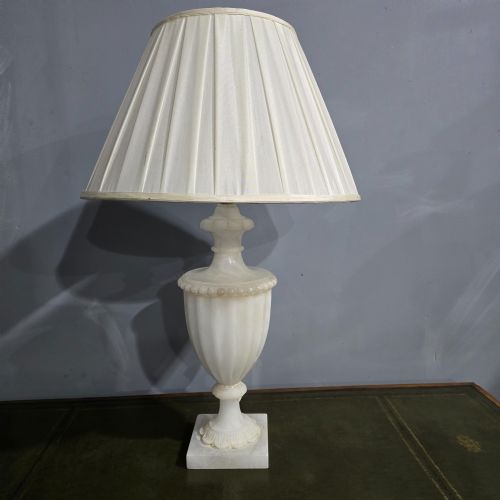


Large Lamp Shade
When you search for a large antique lamp shade, you are looking for substantial period lighting components that anchor a room.
Large Lamp Shade
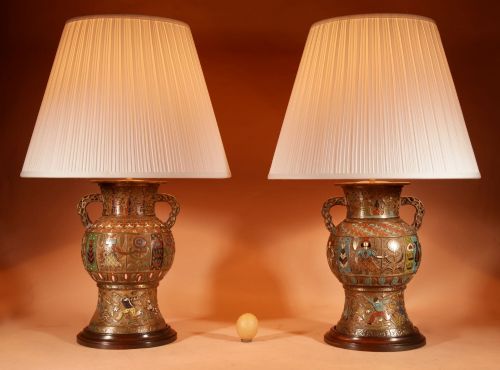
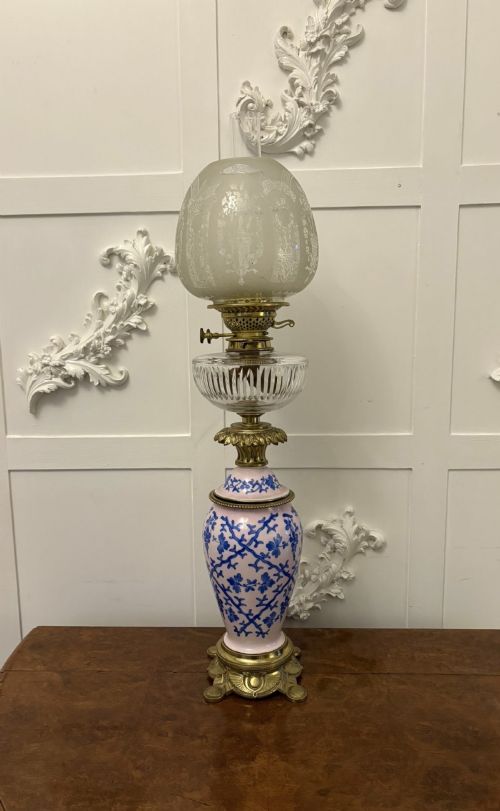
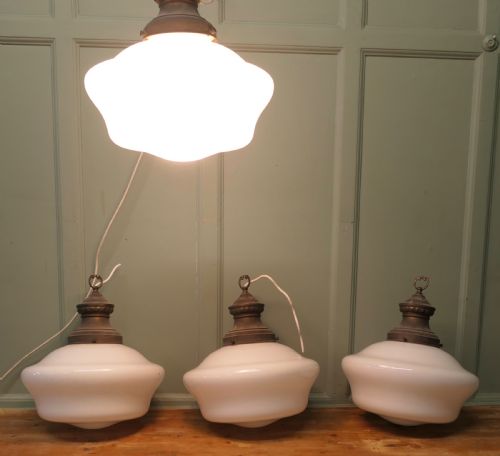
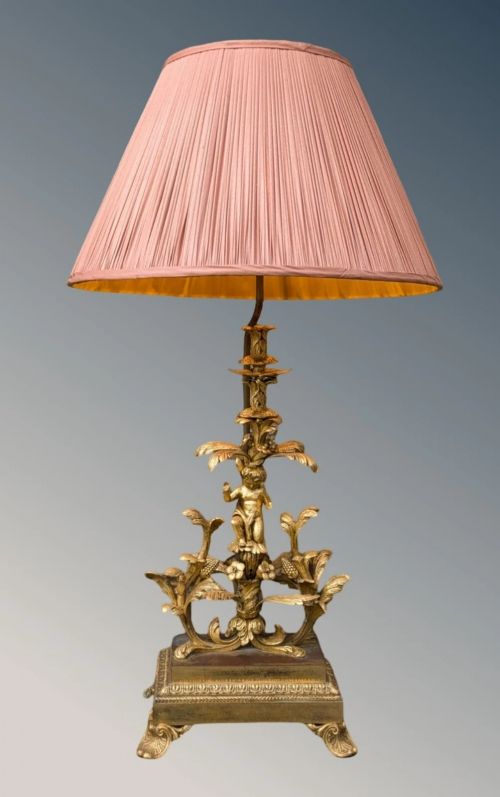
A large antique lamp shade and its associated large antique lamp shade fixtures bring scale and presence to historic interiors. You will encounter various forms here, spanning table lamps, pendant lights, ceiling lights, and standard floor light shades originating from the nineteenth century through the art deco era.
The selection ranges from Victorian oil lamp bases and Edwardian brass fittings to industrial pendants and nineteen-twenties glass shades. These pieces reflect the prevailing aesthetic movements of their respective decades, including French Rococo Revival, Arts and Crafts, and early modern designs.
How They Were Made
Maker workshops utilised durable metals such as brass, copper, bronze, gilt bronze, and silver plate alongside structural timber and ceramics. Metal components were cast, spun, or patinated, while glass elements involved opal, moonstone, frosted, leaded, and mirrored finishes.
Fabric elements and hand-painted porcelain or toleware completed many shade designs, combining structural metal frames with textile or ceramic panels. Craftspeople applied lacquer, gilding, and champleve enamel to achieve the finished decorative surfaces.
Several heavy torchieres stand at a towering seven feet tall, ready to cast a very grand glow across the room.
What Varies in Quality
The caliber of a large antique lamp shade rests upon the crispness of its metal casting, the weight of its materials, and the integrity of its construction. Heavier bronze, finely turned brass, and thick moulded or leaded glass distinguish superior items from standard production pieces.
Design execution and surface finish drive distinction between examples. Hand-applied details, well-preserved gilding, complex enamel work, and intact original patination indicate higher workshop standards during manufacture.
F De Luca·A Foster & Pullen
The Large Lamp Shade Glossary
- Champlevé
- An enamelling technique where troughs are carved into a metal surface and filled with vitreous enamel before firing. This method creates bold coloured patterns on bronze and brass lamp bodies.
- Ormolu
- Ground metallic gold applied to an amalgam of mercury on a bronze object, commonly seen on nineteenth-century French lighting. The technique produces a rich golden finish that resists tarnish.
- Holophane
- A brand of scientific prismatic glass designed to direct and diffuse light efficiently. These ribbed glass shades are frequently found on early twentieth-century industrial and commercial pendants.
- Toleware
- Painted or lacquered sheet metal items popular in period decorative schemes. These pieces often feature dark backgrounds with gilt Chinoiserie motifs.
- Moonstone glass
- A milky, translucent white glass that diffuses illumination softly. It is typical of large twentieth-century pharmacy and chapel pendant lights.
Large Lamp Shade: Frequently Asked Questions
How do I clean an antique shade?
Dust metal and glass components gently with a dry microfibre cloth to preserve original surfaces. Avoid harsh chemical cleaners that can strip historic patination or damage delicate enamel.
Take extra care around painted toleware or fabric panels, using only soft brushes. Consult a professional restorer if the piece requires deeper conservation.
How do I date a glass shade?
Examine the manufacturing marks, glass colour, and moulding techniques to establish the era. Opaline and moonstone finishes often point to early twentieth-century production.
Compare the fitter rim and weight against known period examples. Subtle irregularities in the glass often indicate traditional mouth-blown methods.
Can I hang heavy metal pendants safely?
Large bronze, brass, and copper pendants require secure ceiling fixings rated for substantial weight. Anchor the fixture directly into ceiling joists rather than plaster.
Use appropriate chain or suspension wire matching the antique hardware. Professional installation prevents structural damage to both the ceiling and the antique fitting.