



Edwardian Outdoor Light
An edwardian outdoor light brings period character and robust metalwork to a porch, hallway, or garden boundary.
Edwardian Outdoor Light
An edwardian outdoor light encompasses exterior lanterns, wall sconces, and post-mounted fixtures designed to withstand the weather while providing functional illumination. Buyers seeking this aesthetic will find pieces originating from the late nineteenth century through to the interwar decades, reflecting the shifting tastes of the period.
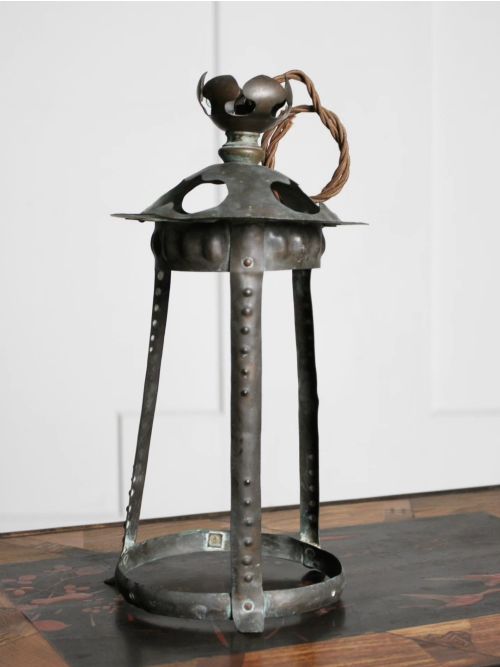
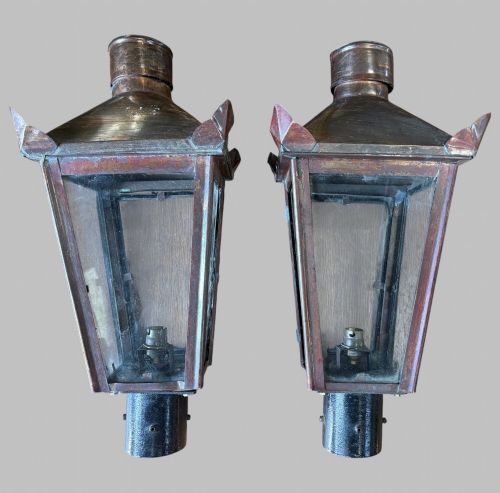
Materials such as copper, wrought iron, and brass dominate the offerings, often paired with clear or frosted glass panes. Surviving examples demonstrate the heavy-gauge construction necessary for exterior exposure over a century ago.
Materials and construction methods
Makers utilised sheet copper, cast iron, and brass to build structures capable of enduring harsh exterior elements. Metal sheets were hand-beaten or folded into octagonal and circular frames, then soldered or riveted together.
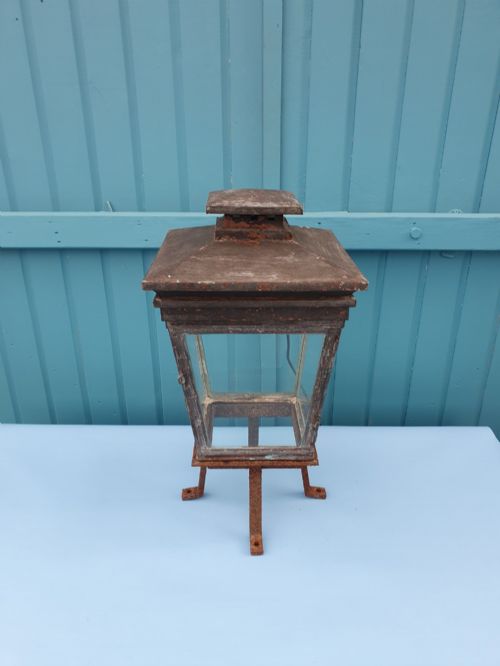
Panes of glass, occasionally frosted or thick-walled, were secured within metal channels to protect the internal burner or bulb. Protective patinas and verdigris finishes developed naturally through exposure or were applied to shield the base metals from corrosion.
Listings feature robust exterior lighting made from copper, iron, and brass, spanning the Victorian, Edwardian, and Arts and Crafts periods.
Assessing quality in period exterior lighting
Quality rests in the thickness of the metal gauge and the integrity of the original construction joints. Heavier copper bodies and robust cast iron brackets indicate superior durability compared to lighter, purely decorative alternatives.
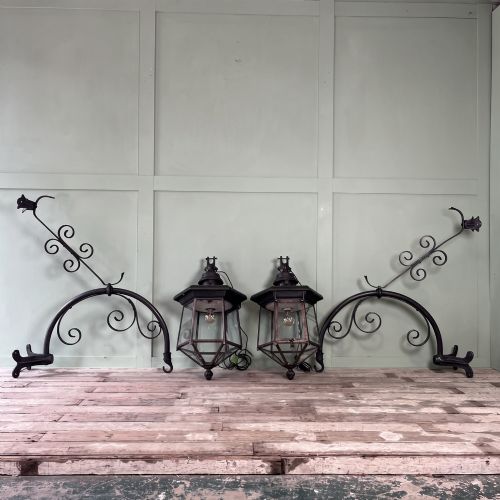
The refinement of decorative details, such as neo-classical friezes or hand-riveted frames, distinguishes standard utility pieces from exceptional workshop productions. Original mounting brackets and intact glass panes further elevate the integrity of a fixture.
REVO Leicester·A Foster and Pullen Bradford
The Edwardian Outdoor Light Glossary
- Coach-house lantern
- A wall-mounted exterior light historically placed beside stable blocks or carriage entrances. These fixtures usually feature bracket mounts and protective hoods.
- Verdigris
- A green patina that forms naturally on copper and brass through atmospheric oxidation. Period pieces often display this weathered surface.
- Porch lantern
- A ceiling-hung or wall-fixed light intended to illuminate sheltered exterior entranceways. They balance weather resistance with domestic scale.
- Gas conversion
- The historical adaptation of an exterior lamp from a gas supply to electric wiring. This process often leaves characteristic internal burner modifications.
- Post lantern
- A large exterior light designed to fit atop a vertical column, gate pier, or boundary wall. These pieces provide wide illumination for drives and pathways.
Edwardian Outdoor Light: Frequently Asked Questions
Can these outdoor lights be wired for modern electricity?
Most surviving exterior fixtures have already undergone conversion from gas to standard electrical wiring during their long histories.
Any competent electrician can easily adapt the internal lampholder to meet current safety standards while preserving the antique housing.
How do I mount a heavy copper wall lantern?
Due to the substantial weight of thick copper and cast iron brackets, these fixtures require secure fixing into solid masonry or reinforced timber.
Using appropriaterawl plugs and coach screws ensures the bracket supports the outward leverage safely.
Are original glass panels usually replaced?
Many pieces retain their thick, slightly irregular original glass panes, which often show bubbles and minor surface variations from period manufacturing.
Where breakage occurred over the decades, replacement glass was cut to fit the traditional framing channels.
How should I clean verdigris and weathered copper?
The accumulated green patina and dark oxidation represent decades of exposure and are generally valued by collectors for authenticity.
Gentle washing with warm soapy water removes surface dirt without stripping away the historical surface finish.