

Large Console Table
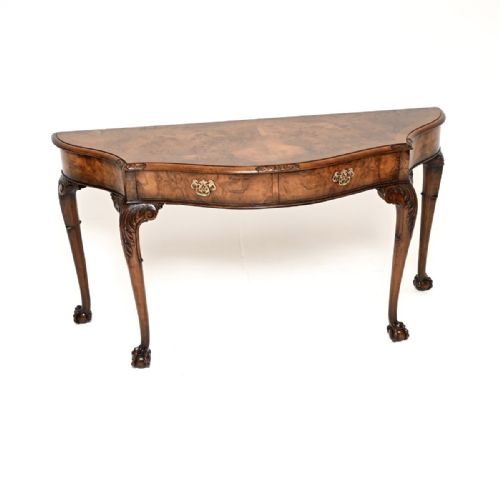
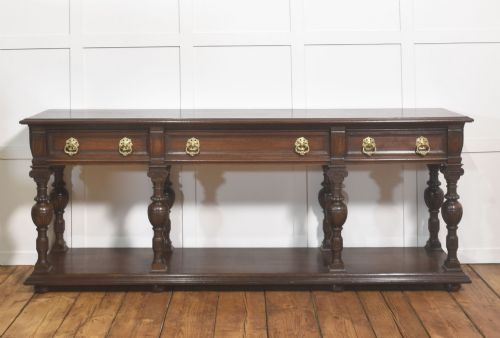
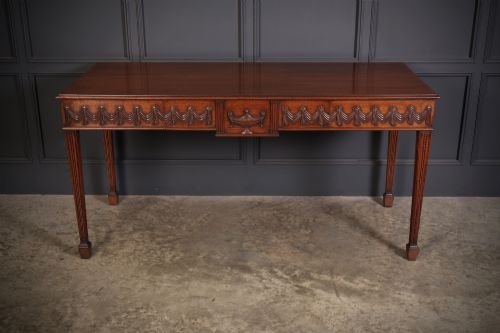
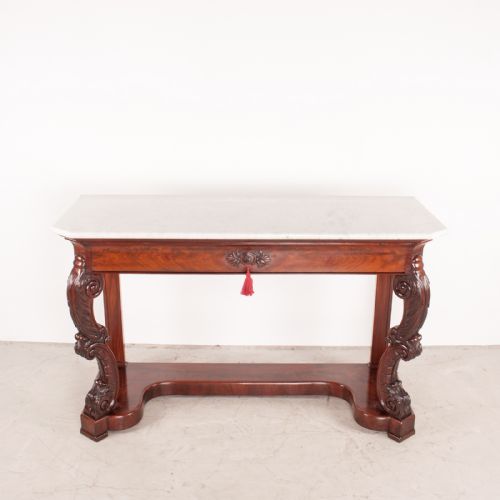
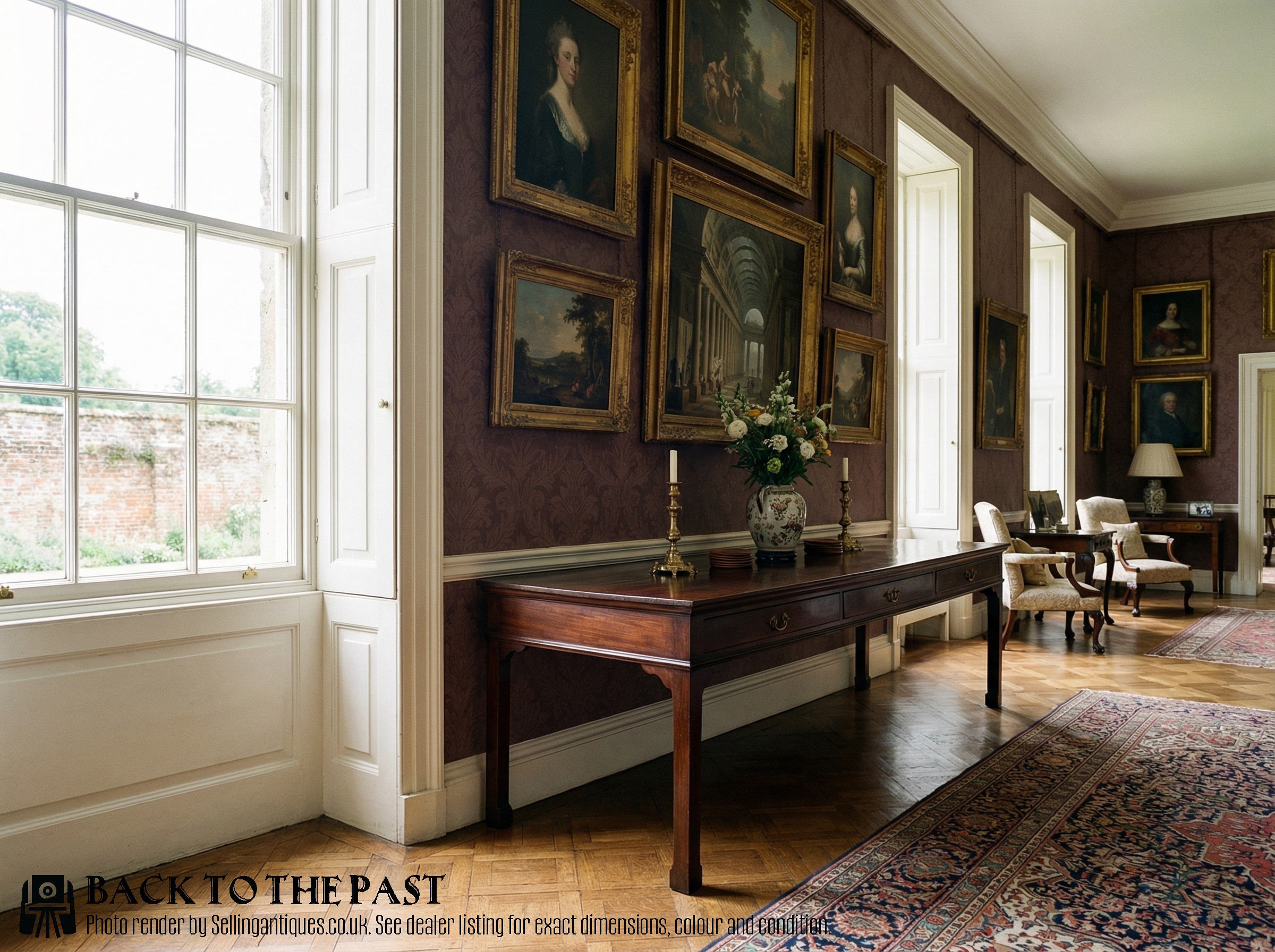
A large antique console table anchors a formal room or hallway with substantial presence, offering a surface for display alongside architectural weight.
Large Console Table
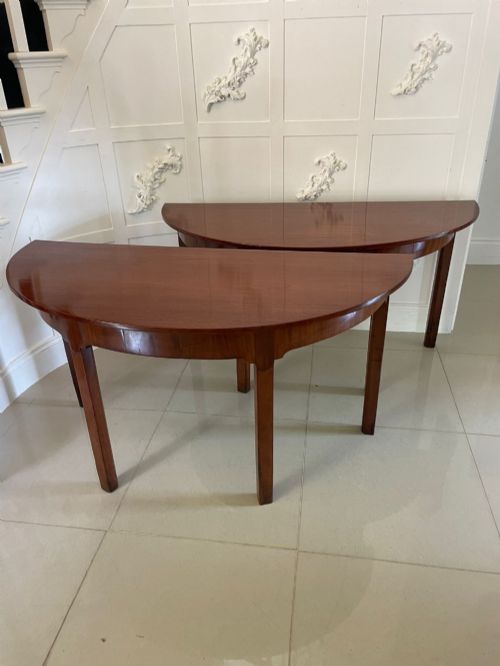
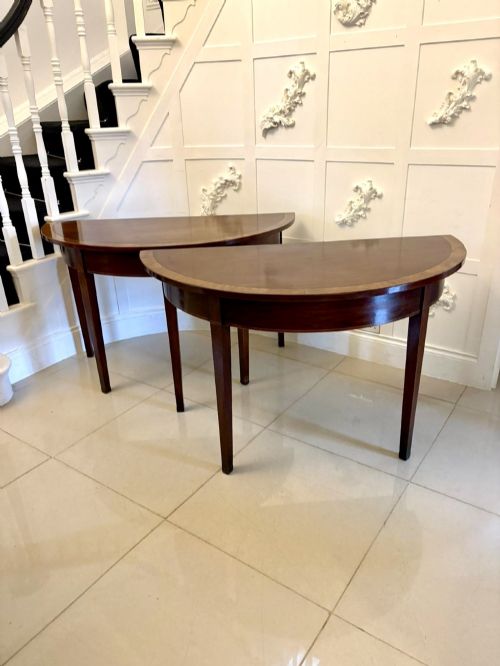
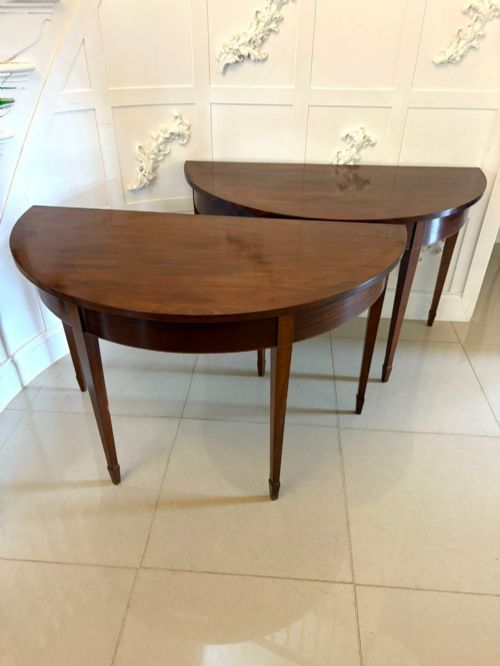
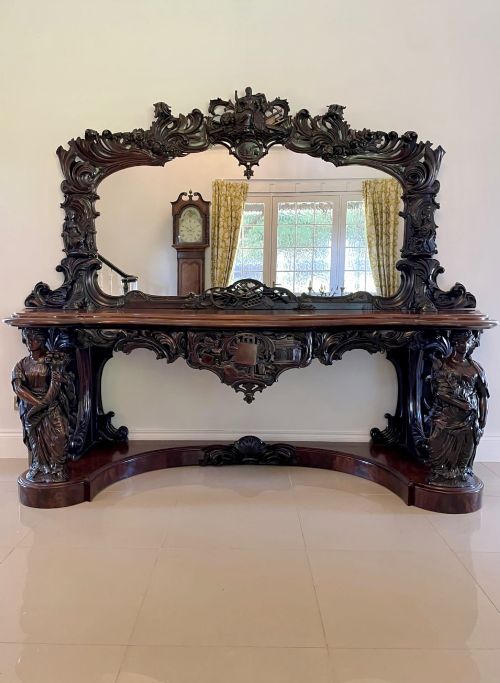
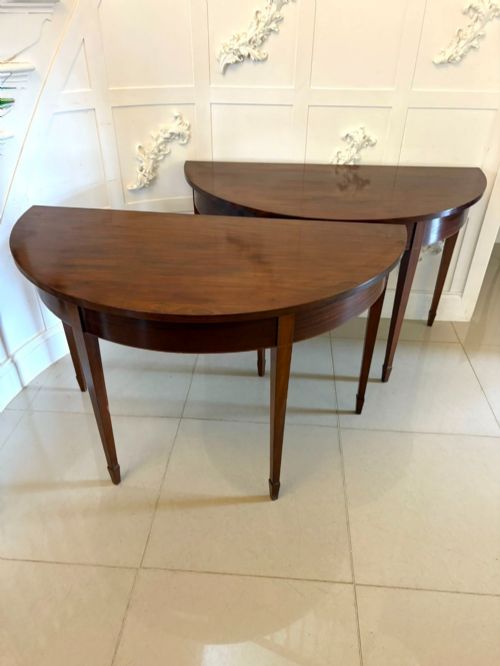
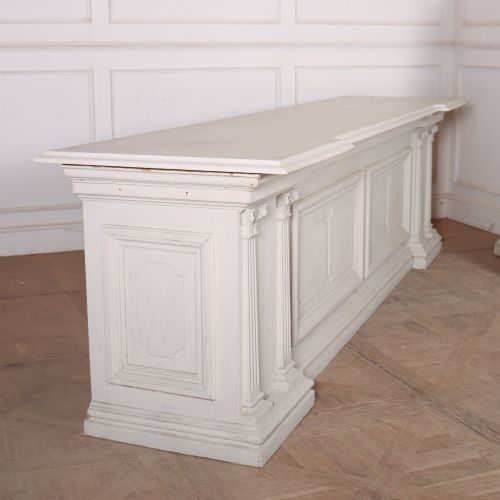
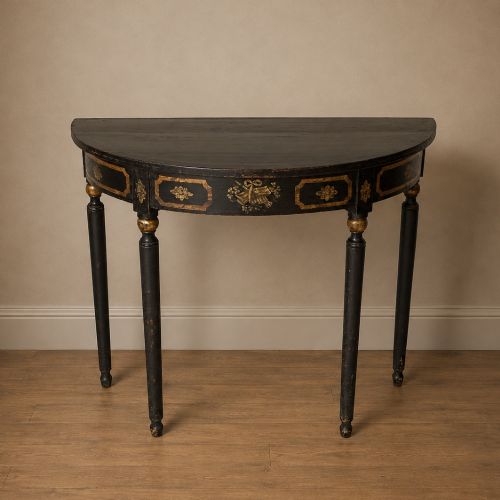
A large antique console table appears primarily as mahogany demi-lune forms from the George III and Victorian periods, designed to stand against a wall in grand rooms.
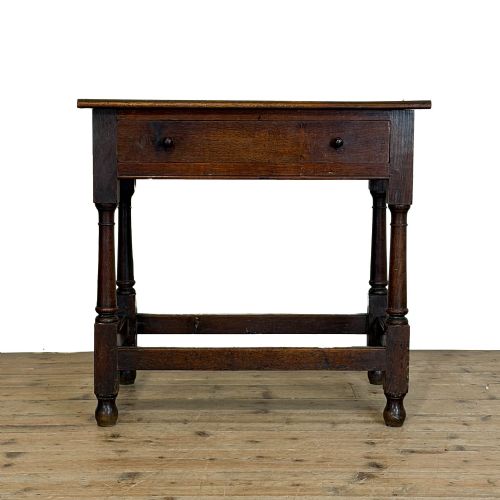
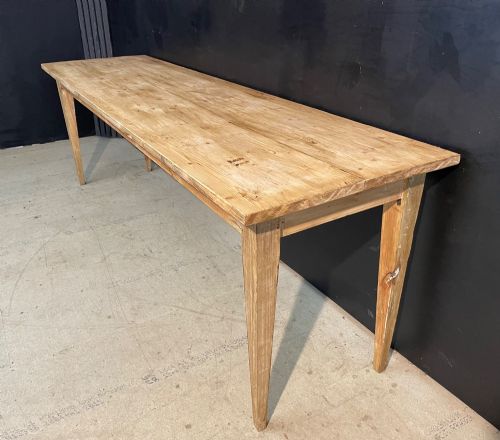
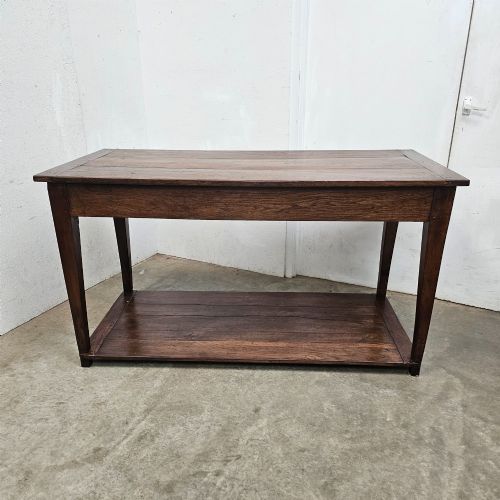
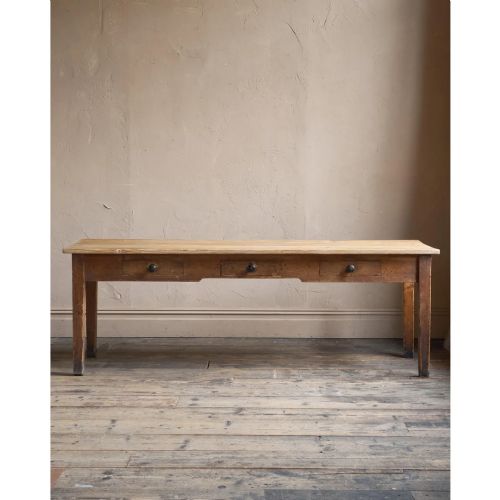
Beyond formal mahogany pairs, the selection includes serving tables, oak dresser bases, and painted French drapers tables spanning the eighteenth and nineteenth centuries.
These pieces fulfill practical demands for wide surfaces while displaying the proportions and styles typical of Georgian, Regency, and provincial European workshops.
What Varies in Quality
The degree of refinement in the timber figure and the precision of carved details distinguish standard utilitarian pieces from exhibition pieces made for formal settings.
Original matching pairs demonstrate a higher level of initial commission work than single assembled items, particularly when retaining original marble tops or gilding.
Several tables stretch beyond four metres, offering enough timber to host a very large dinner party indeed.
The Large Console Table Glossary
- Demi-lune
- Half-moon shape. This curve defines many traditional console tables designed to fit flat against a wall.
- Draper table
- Long utility table. These large wooden benches originate from textile workrooms and country houses.
- Potboard
- Lower shelf. Serving tables often include this open board beneath the main surface for storage.
- Parcel gilt
- Partially gilded. Craftsmen apply thin gold leaf to specific carved highlights on the wood.
Large Console Table: Frequently Asked Questions
Where should a console table go?
These large tables suit hallways, dining rooms, and entrance spaces where a wide surface creates a strong visual anchor against a bare wall.
Because many versions are deep or curved, measuring the available floor space ensures the piece leaves adequate clearance for movement.
How are console tables used?
Historically, these tables held decorative objects, lamps, or serving dishes during large gatherings in grand houses and dining rooms.
Today, they serve similar display purposes in domestic interiors while providing substantial surface area for everyday storage.
Are marble tops original?
French and Italian pieces frequently incorporate heavy marble slabs designed to resist stains and provide a cool, durable working or display surface.
These stone inserts are generally integral to the heavier console and serving table designs from the nineteenth century.
How do I identify a George III table?
George III pieces typically feature figured mahogany timber, restrained neoclassical lines, and precise joinery dating around the turn of the nineteenth century.
Many of these examples survive as matched pairs built specifically for symmetrical placement in period rooms.