
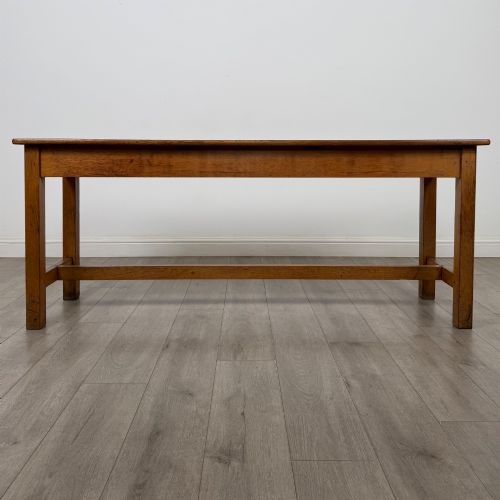

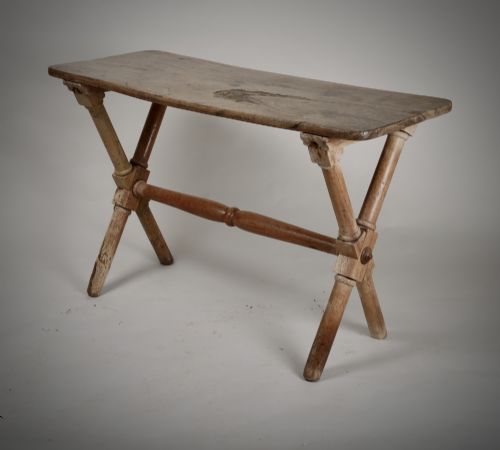
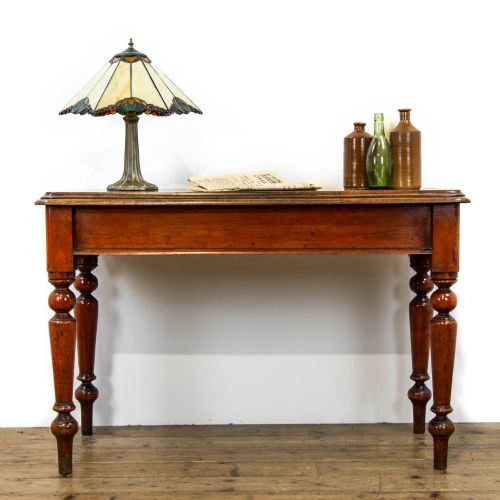
Traditional Wooden Hall Table
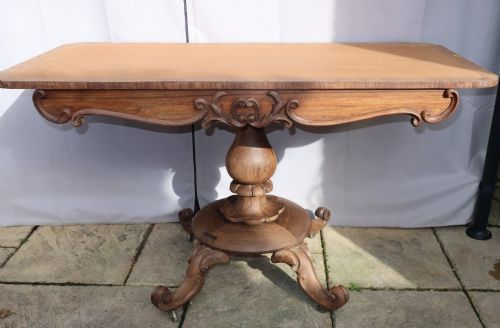
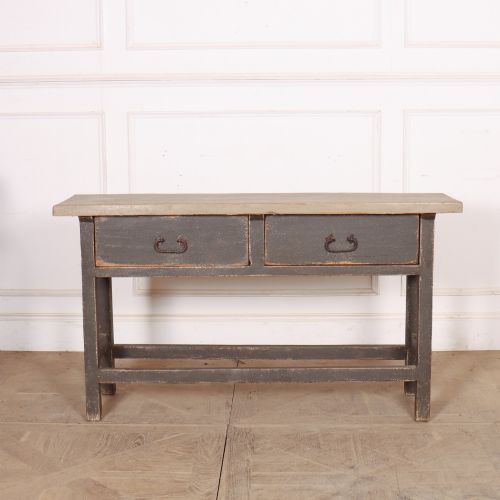
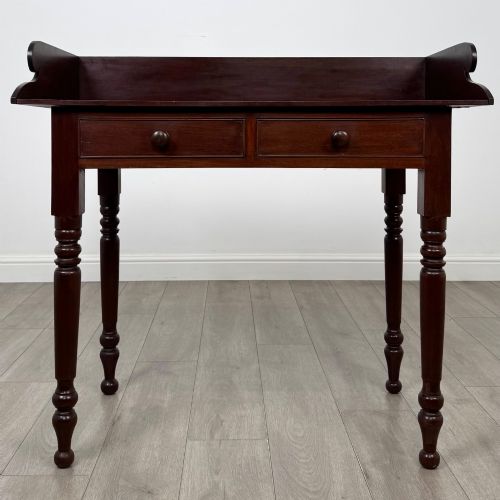
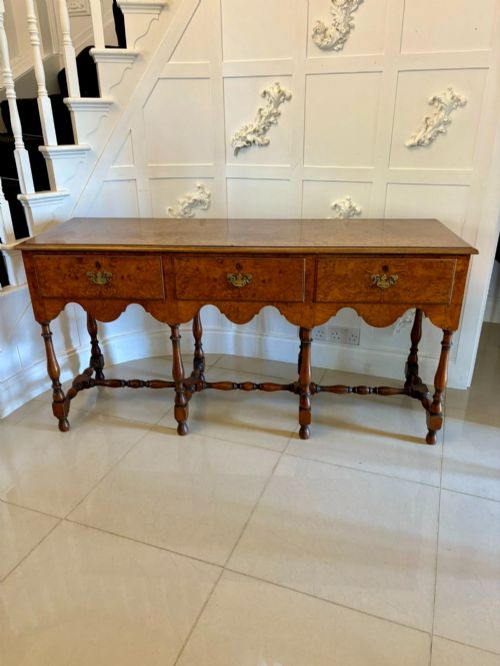
A traditional wooden hall table meets the everyday demand for a sturdy surface by the door, cast in oak or mahogany through centuries of craftsmanship.
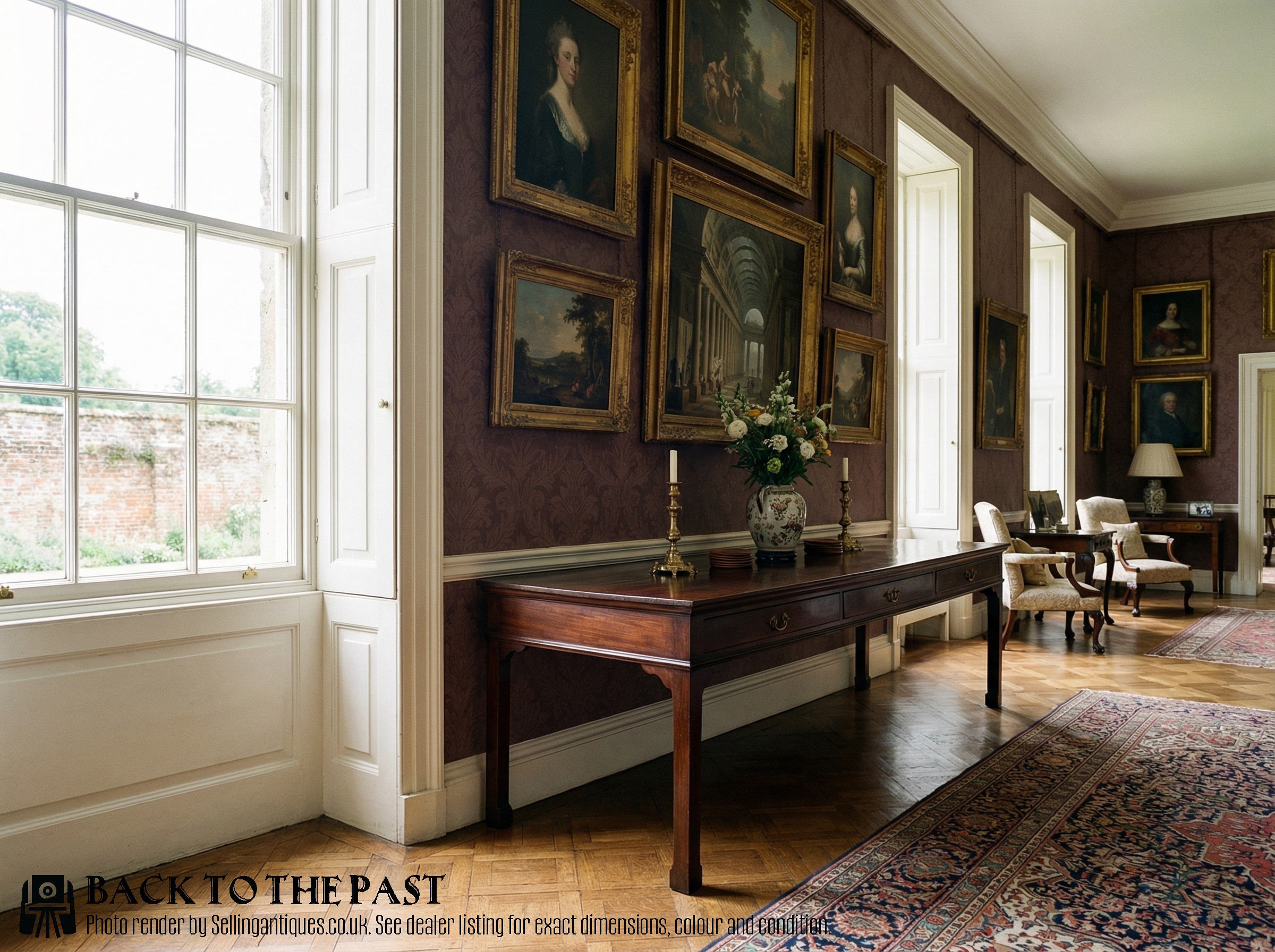
Traditional Wooden Hall Table
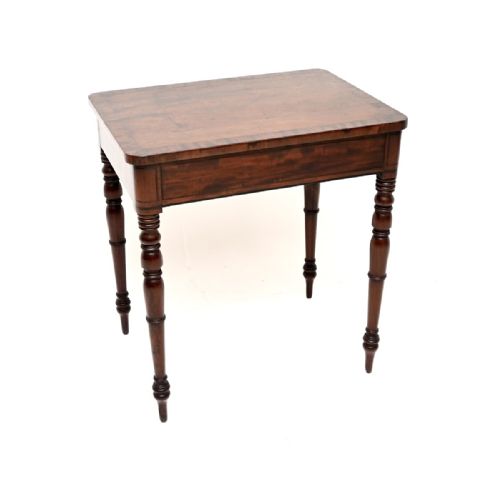
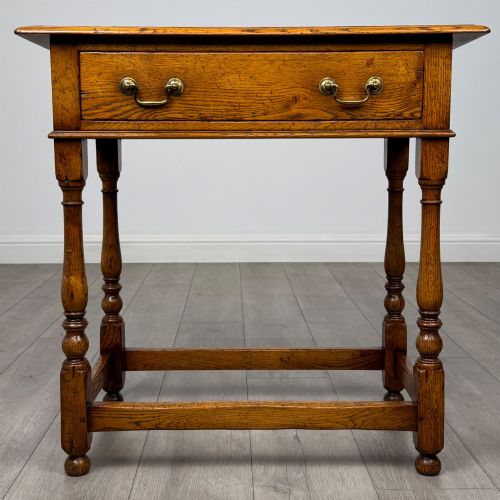
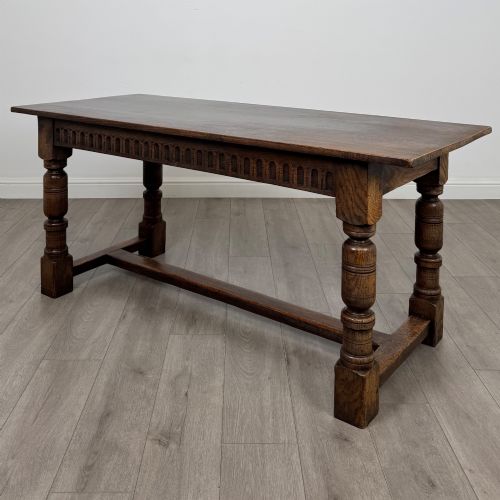
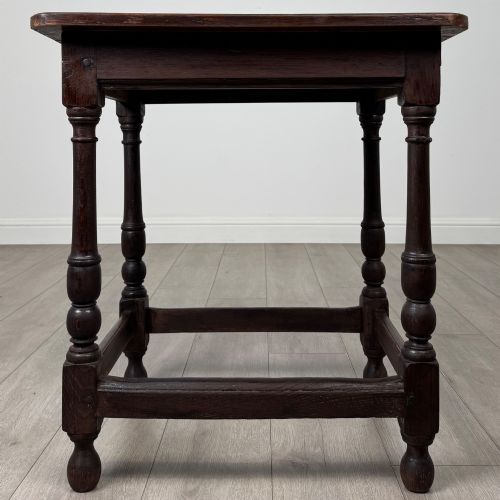
When you search for a traditional wooden hall table, you are looking for solid furniture designed to stand near an entrance, hold daily items, and anchor a hallway. The pieces appearing here span periods from the eighteenth century through the twentieth century, bringing utilitarian forms into domestic spaces.
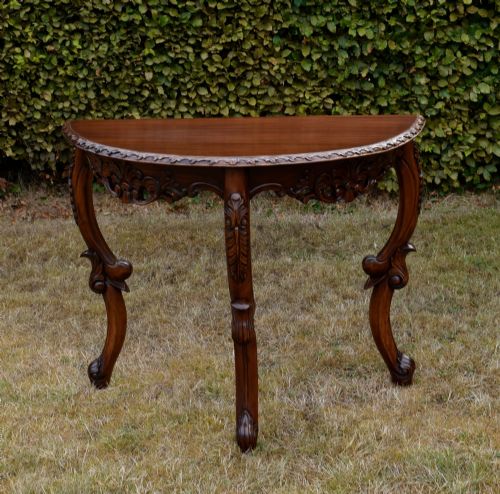
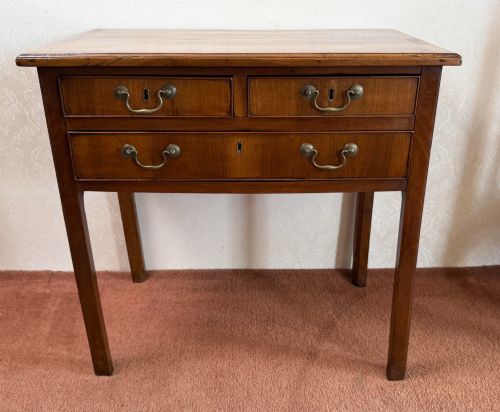
You will most commonly meet side tables, console tables, and lowboys configured in oak and mahogany. These forms draw on Georgian, Victorian, and Edwardian styles, alongside rustic country and farmhouse influences.
Originating largely from British workshops and domestic traditions, these tables vary from simple planked boards to carved iterations with drawers. They serve as practical surfaces while establishing the character of an interior from the moment you cross the threshold.
How they were made
Cabinetmakers constructed these tables using native and imported timbers, relying heavily on oak, mahogany, pine, and walnut. Timber selection dictated the structural integrity and the finish of each piece, whether left to display natural grain or painted.
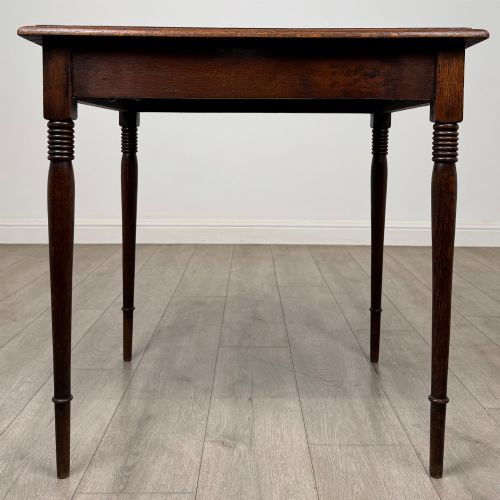
Joinery methods involved traditional techniques such as mortise and tenon frames, dovetailed drawers, and turned legs. Master woodworkers shaped these items by hand, integrating brass hardware and iron fittings where utility required.
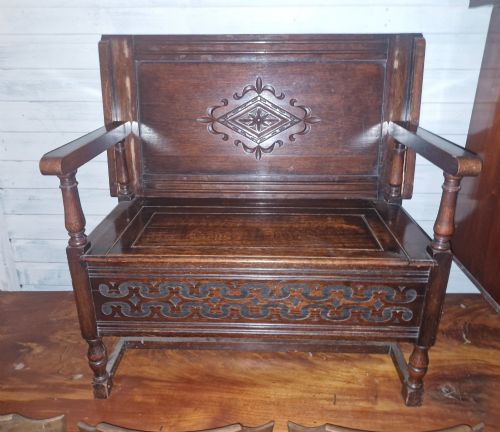
Several tables include lift-up seats and fold-over tops, proving our ancestors loved multifunctional furniture just as much as we do.
What varies in quality
The standard of a traditional wooden hall table rests on the selection of timber and the precision of the construction. Dense, well-figured mahogany or quarter-sawn oak indicates a higher tier of production than soft pine or lesser utility woods.
Artisanal execution in the joinery, such as hand-cut dovetails and cleanly turned legs, separates utilitarian workshop output from finer domestic furniture. The integrity of the structure and the retention of original brass or wooden fittings determine the standing of each example.
The Traditional Wooden Hall Table Glossary
- Lowboy
- A small table with drawers, typically raised on four legs, originating in the late seventeenth century. These items frequently served multiple functions in domestic interiors.
- Console table
- A table designed to be fixed against a wall or supported by brackets, often featuring a semi-circular or rectangular top. They occupy minimal floor space in entryways.
- Refractory table
- A long, narrow dining or serving table characterised by sturdy legs connected by low stretchers. Their robust proportions suit large communal spaces.
- Dresser base
- The lower section of a traditional dresser, featuring cupboards and drawers beneath a flat surface. These heavy pieces provide substantial storage capacity.
- Quarter-sawn
- A method of cutting timber that produces a stable board with distinctive grain patterns. This cut minimises warping and enhances the appearance of oak.
Traditional Wooden Hall Table: Frequently Asked Questions
What is a traditional wooden hall table used for?
These tables provide a convenient surface near an entrance to place keys, post, and decorative items. They help organise transitional spaces while setting a formal or rustic tone.
Historically, variations such as lowboys and console tables offered discreet storage within narrow corridors. Their narrow footprints make them adaptable to modern hallways and landings.
How do I identify a Georgian hall table?
Georgian tables typically feature mahogany or oak construction with restrained proportions and classical decorative motifs. Look for hand-cut dovetails in the drawers and understated turned or tapered legs.
These pieces reflect the symmetrical design priorities of the eighteenth century. They rely on the quality of the timber rather than heavy ornamentation for visual appeal.
Can I use an antique lowboy as a hall table?
A lowboy functions effectively in a hallway due to its compact width and useful drawer space. Originally built as dressing tables or side tables, their proportions suit narrow entryways.
Living with these pieces involves appreciating their historical utility while accommodating them to modern storage needs. Their versatile designs bridge the gap between display and function.
What is the difference between oak and mahogany hall tables?
Oak tables generally present a heavier, more rustic appearance associated with earlier periods like the seventeenth and eighteenth centuries. The grain is pronounced, often displaying medullary rays from quarter-sawing.
Mahogany tables tend to appear in later Georgian and Victorian contexts, offering a smoother, reddish-brown surface suited to formal interiors. Both timbers provide durability, but they project distinct stylistic eras.