


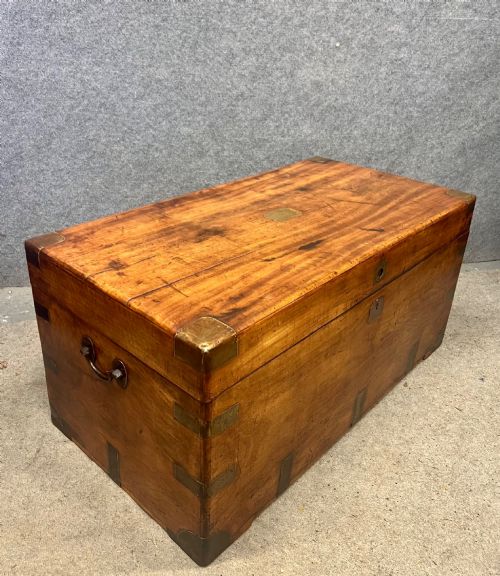
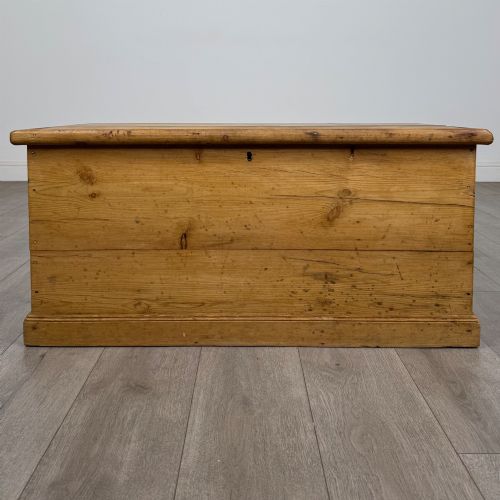

Large Coffer
When choosing a large antique coffer, you acquire a substantial timber storage piece built to endure centuries of daily domestic use.
Large Coffer
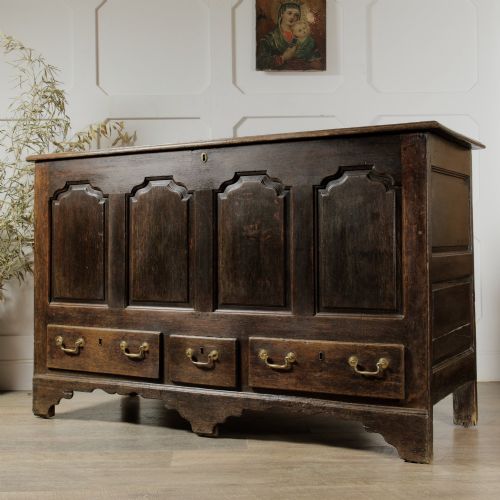
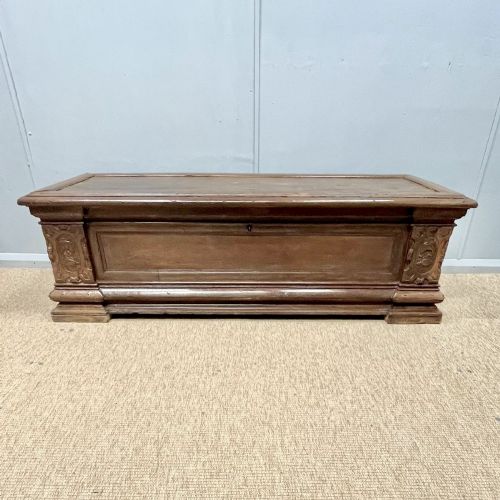
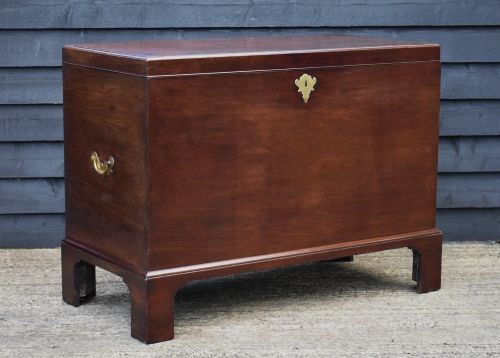
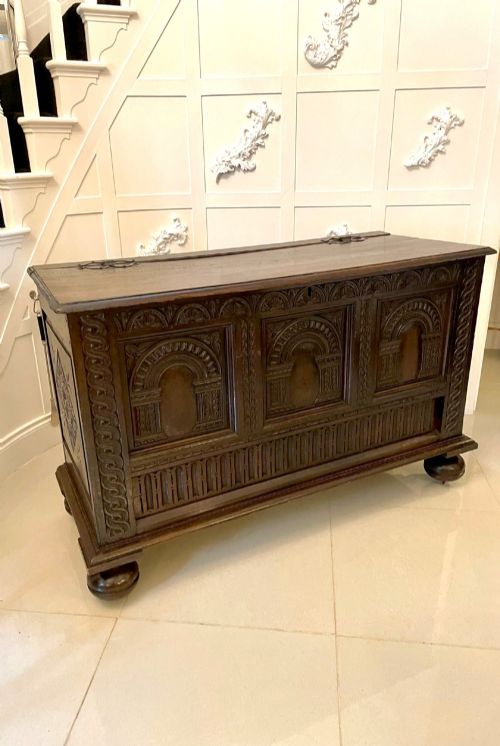
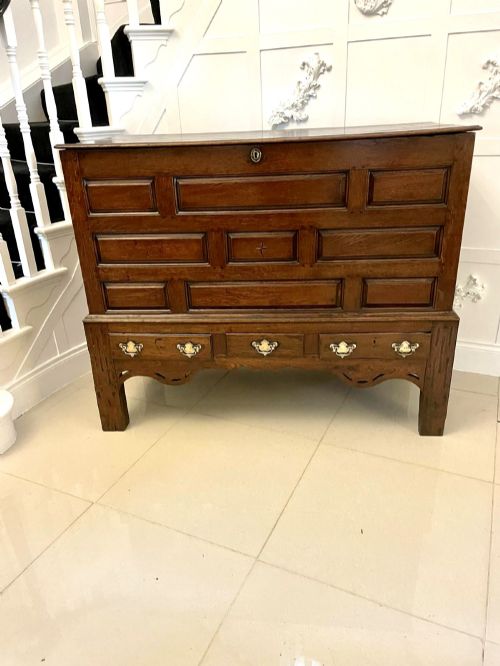
A large antique coffer functions as a robust timber storage chest, historically used for securing valuables, textiles, and household provisions. These pieces range from heavy 17th-century joined oak examples to later regional pine and country variants.
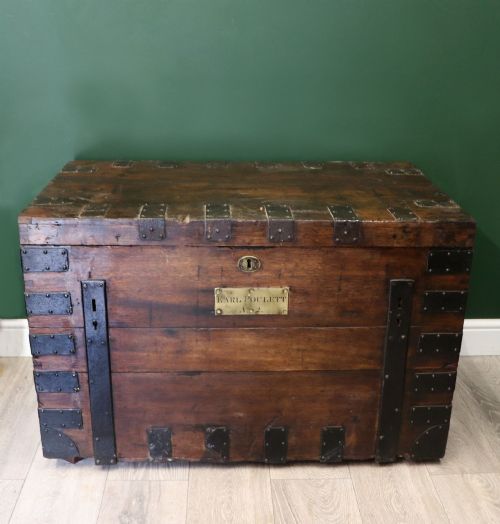
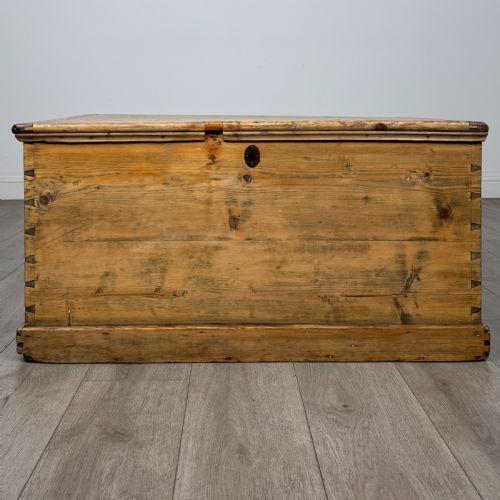
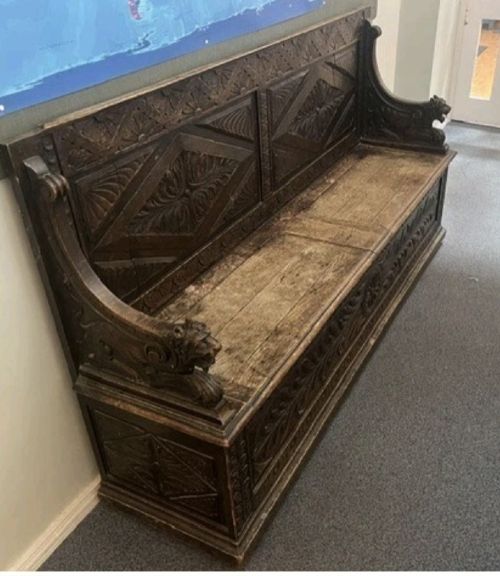
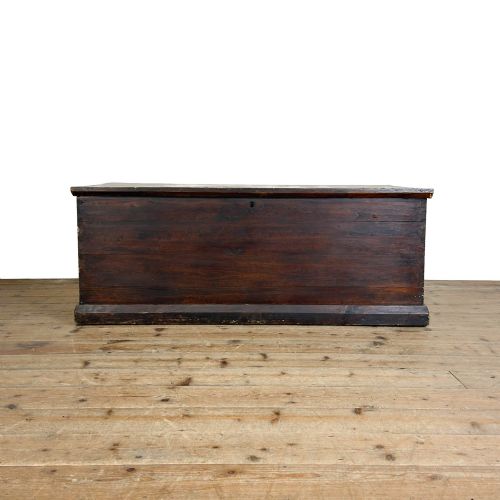
The selections available include plain boarded domestic boxes, heavily carved revival pieces, and iron-bound campaign chests designed for travel. Buyers frequently encounter vernacular pine blanket boxes alongside formal Georgian and Victorian variants featuring internal till drawers.
How They Were Made
Construction methods rely primarily on heavy native timbers such as oak, elm, and pine, joined by pegged mortise and tenon frames or simpler six-plank assemblies. Iron straps, brass corner mounts, and heavy hinges reinforce the structural integrity of pieces intended for long-distance transport.
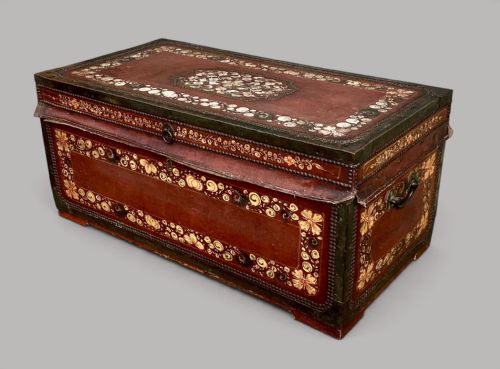
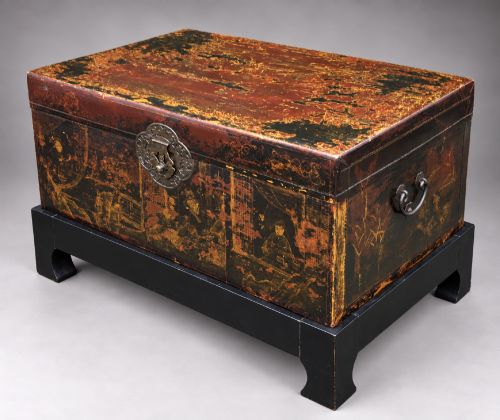
Surface finishes vary from natural waxed treatments that highlight the grain to traditional painted schemes, leather coverings, and elaborate chip-carved detailing executed by local carpenters.
Large Coffer Retail Price Guide 2026
Typical asking prices for large coffer among the pieces listed under this phrase on Sellingantiques today, from the lower quarter to the upper quarter. They describe what is for sale here now, not the wider market.
Some antique dowry chests arrived bearing secret compartments designed for hidden love letters.
What Varies in Quality
Quality rests heavily on the integrity of the timber selection, the crispness of the hand-carved panels, and the originality of the foundational joints and hardware. Pieces retaining their original hinges, locks, and feet command greater regard than those rebuilt from later timber.
The sophistication of the joinery distinguishes simple utility trunks from high-status country house furniture, with integrated internal drawers and crossbanded veneers marking superior craftsmanship.
C.R.Ashbee Guild of Handicraft
The Large Coffer Glossary
- Coffer
- A large wooden chest traditionally used for storing valuables, textiles, or documents. These sturdy boxes often feature hinged lids and heavy reinforcement.
- Mule chest
- A storage chest featuring one or more drawers built into the base beneath the main compartment. This form bridges the traditional coffer and the modern chest of drawers.
- Joined oak
- Furniture construction utilising precision-cut mortise and tenon joints secured with wooden pegs. This method defines sturdy 17th-century vernacular cabinetry.
- Campaign chest
- Portable furniture made in sections with recessed brass handles and corner brackets, designed for military officers on the move. Teak and camphor wood were common materials for these sturdy travelling units.
- Dowry chest
- A decorative storage box prepared for a bride to hold her household linens and personal possessions. These pieces frequently display regional carving, painting, or inlaid motifs.
Large Coffer: Frequently Asked Questions
What were large antique coffers used for originally?
These robust vessels served primarily to safeguard precious household goods, monetary savings, and heavy woollen blankets from dampness and theft in medieval and early modern homes. Because banks were scarce, families relied on heavy timber boxes fitted with complex iron locks to protect their wealth.
Over subsequent centuries, their domestic role shifted toward general linen storage and occasional seating beneath windows. Wealthy households utilised specialised variants for transporting belongings during military campaigns or storing bridal dowries.
How do I date an antique wooden coffer?
Dating relies heavily on observing construction techniques, tool marks, and hardware styles rather than relying solely on surface appearance. Early 17th-century examples typically display joined frame-and-panel construction secured with hand-carved wooden pegs, whereas 19th-century variants often utilise machine-sawn pine boards.
Examining the hinges, nail types, and lock mechanisms provides further chronological clues. Hand-wrought iron hardware generally points to earlier periods, while mass-produced brass fittings indicate Victorian or later manufacture.
Where should I place a coffer in my home?
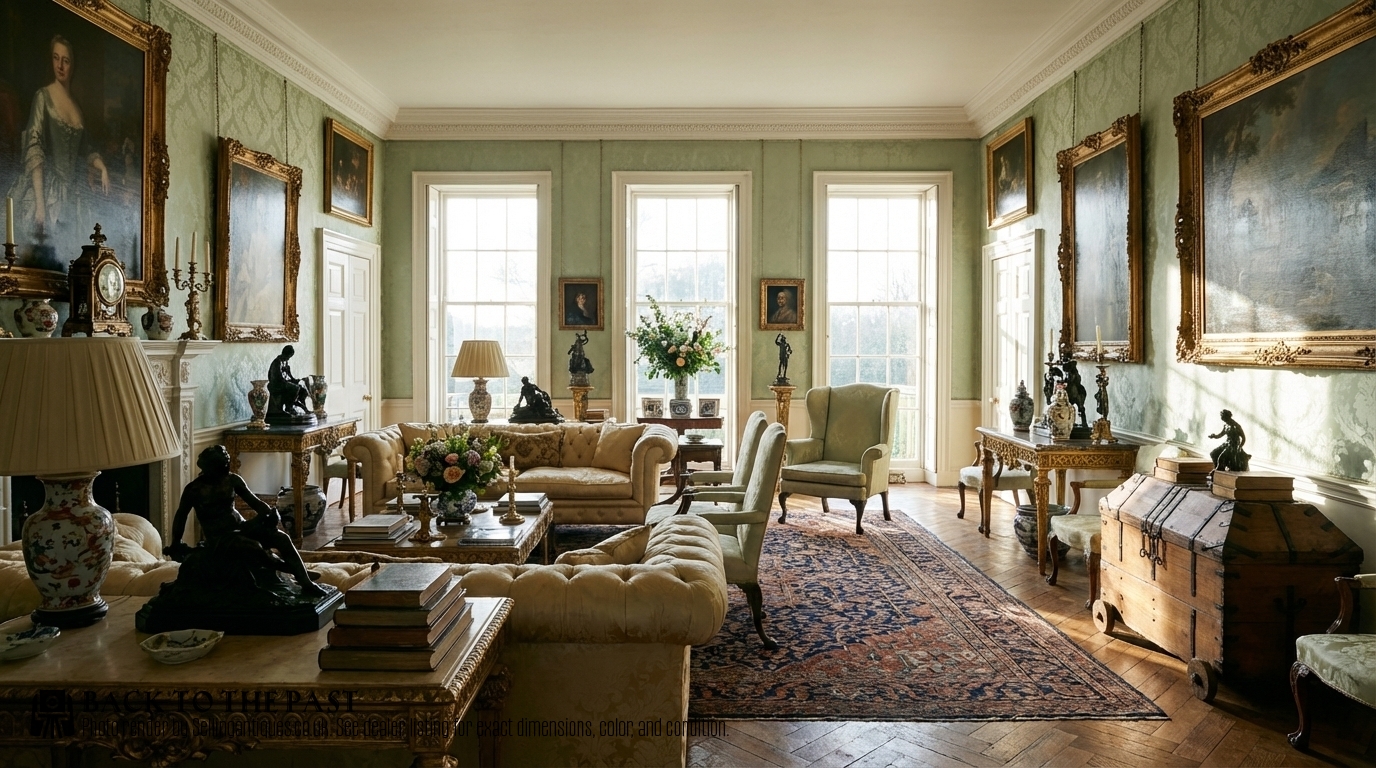
A large coffer functions exceptionally well as a bedroom blanket box, a hallway storage bench, or a distinctive coffee table in a spacious living area. Their flat lids provide a convenient surface for displaying books or textiles while concealing clutter inside.
Positioning these timber chests away from direct heat sources and severe humidity fluctuations protects the dry wood and historic finishes from cracking or warping.
What is the difference between a coffer and a blanket box?
While both terms describe large lidded storage containers, a coffer typically implies an earlier, heavier construction of joined oak featuring architectural panels and formal carving. Blanket boxes are frequently simpler, lighter domestic chests made from pine or fruitwood intended specifically for bedding.
Many antique blanket boxes date from the Victorian era and occasionally include internal till compartments for smaller items, whereas traditional coffers lean toward heavy, fortified construction.