
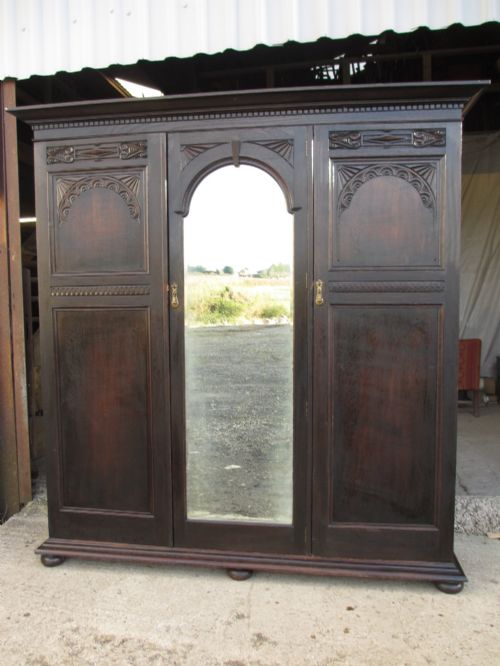
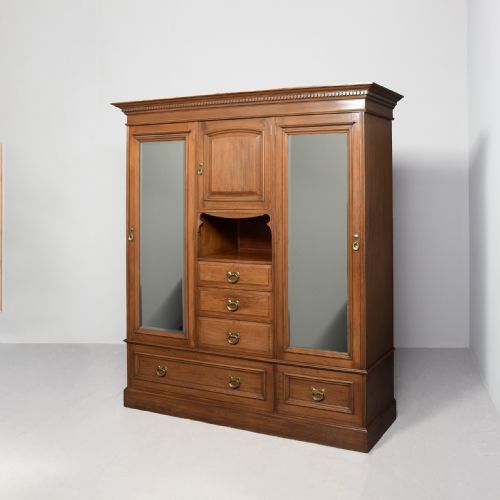
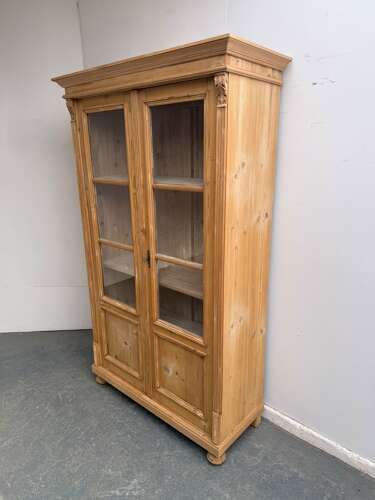
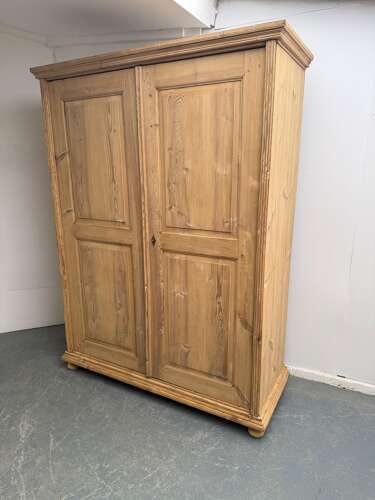
Large Armoire
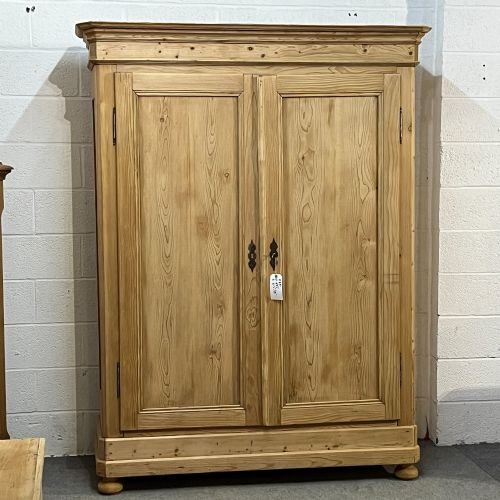
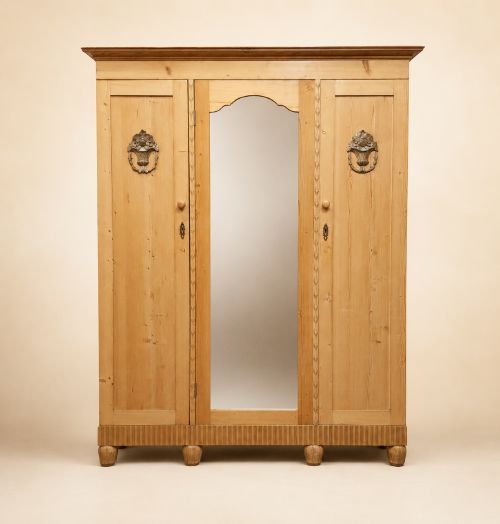
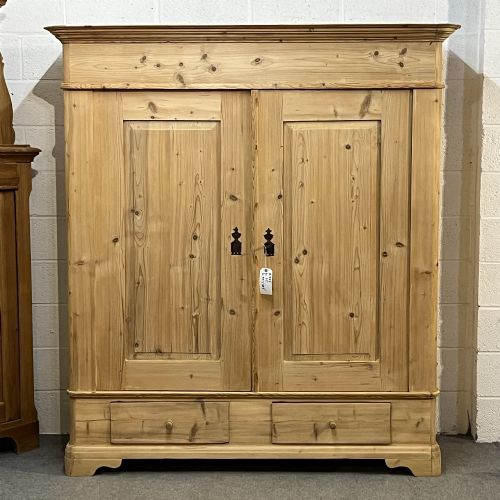
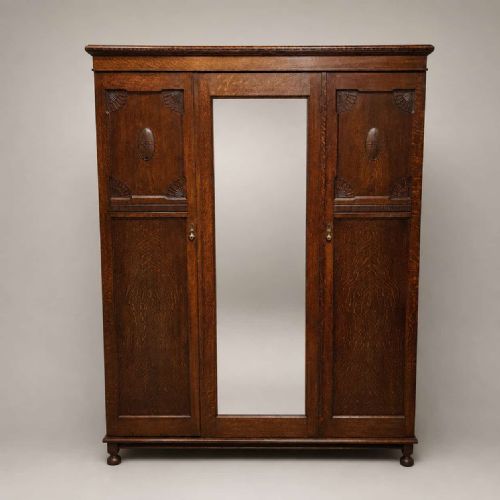
A large antique armoire provides monumental timber storage and floor presence, commanding the room with substantial proportions and period craftsmanship.
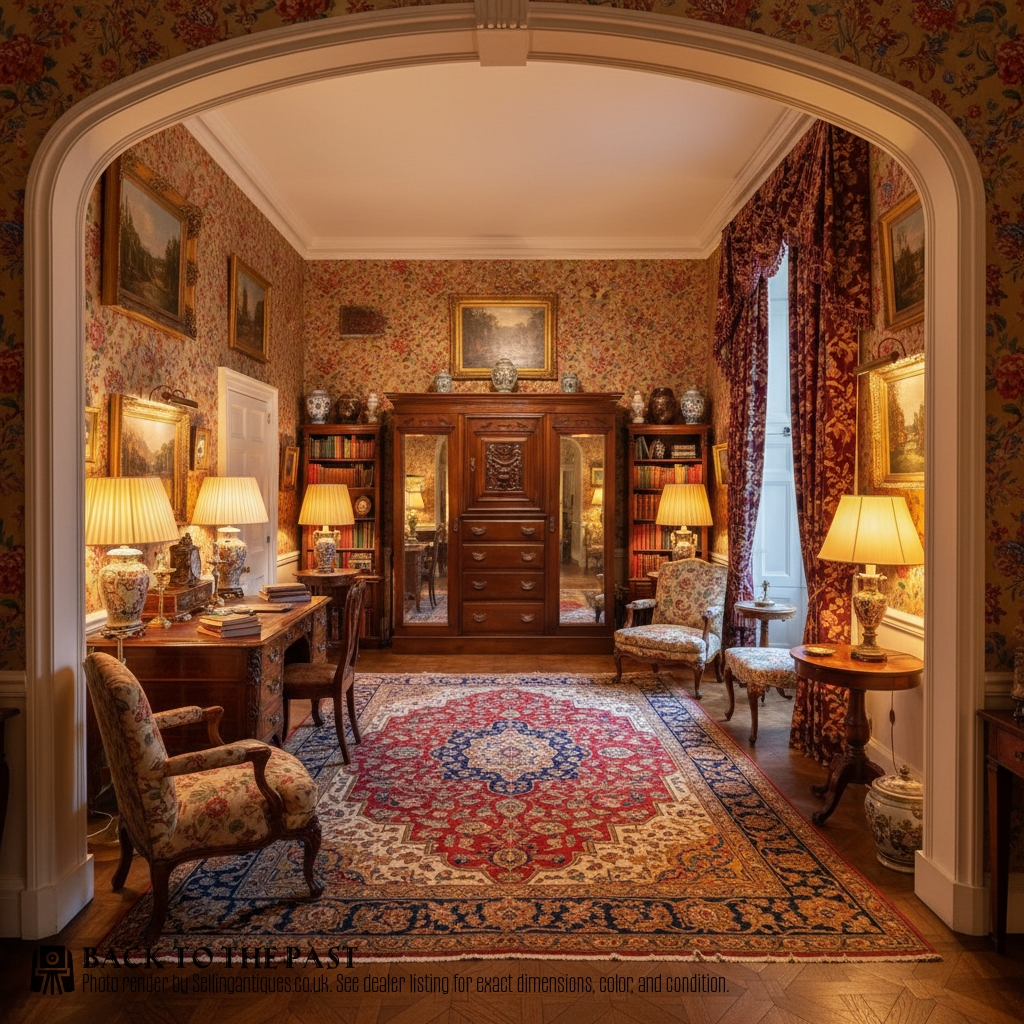
What a large antique armoire is
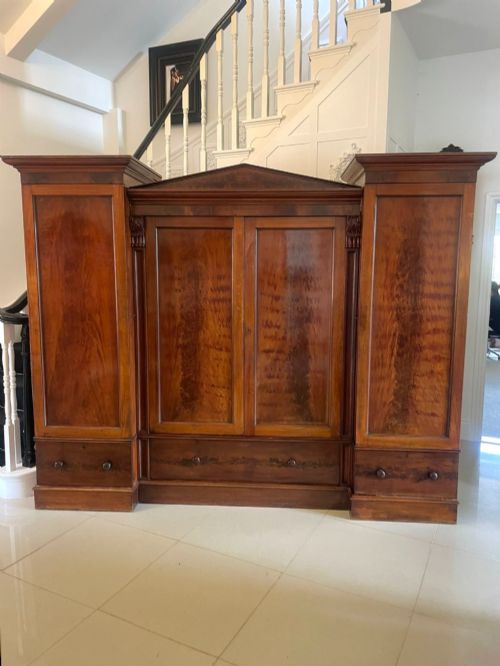
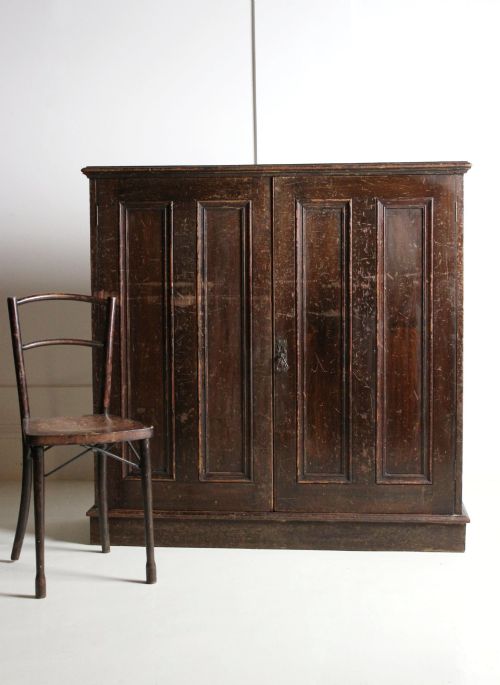
When you search for a large antique armoire, you encounter substantial timber storage units designed to anchor a bedroom or dressing room. These grand cabinets provide deep internal capacity for hanging garments, linen, or general storage behind timber or mirrored doors.
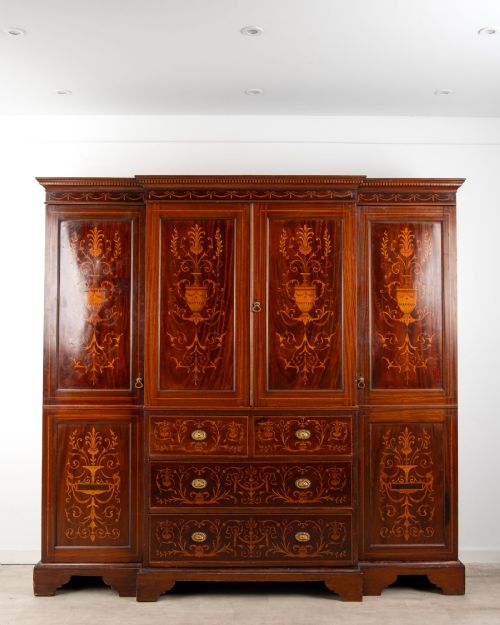
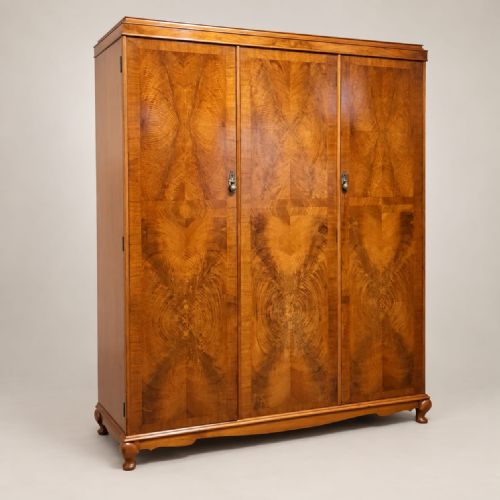
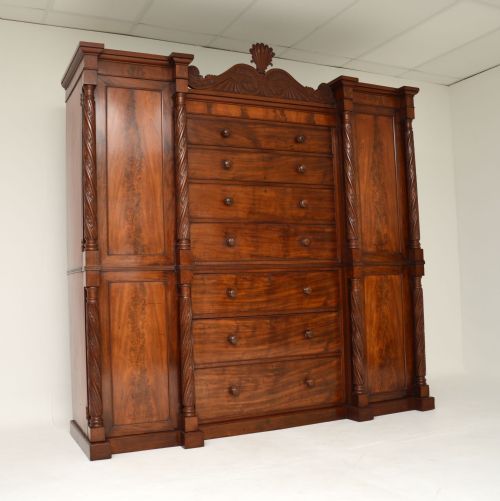
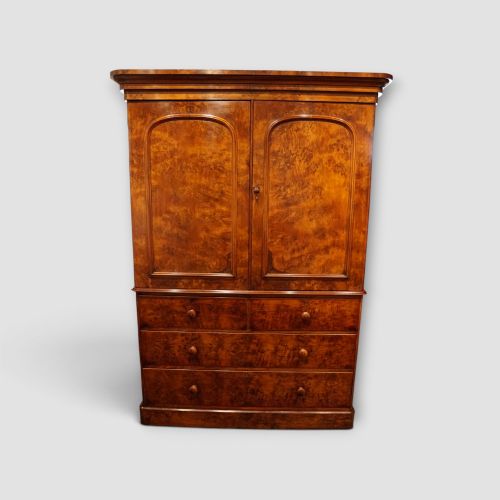
The pieces appearing in this selection span the nineteenth century, including Victorian, Edwardian, and George IV examples. Forms range from triple and four-door wardrobes to breakfront linen presses and sentry box combination units.
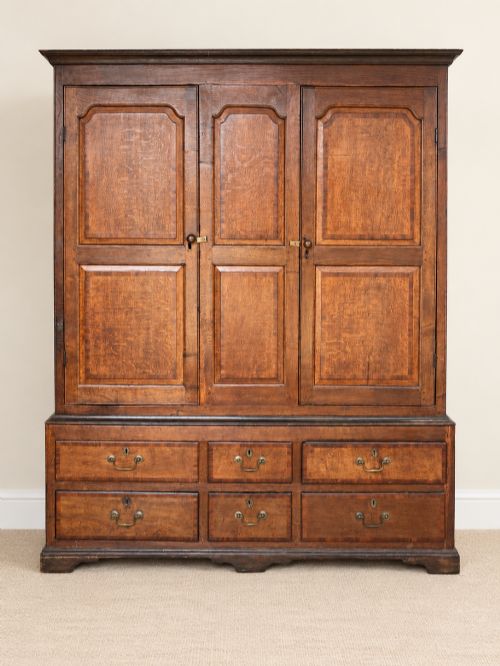
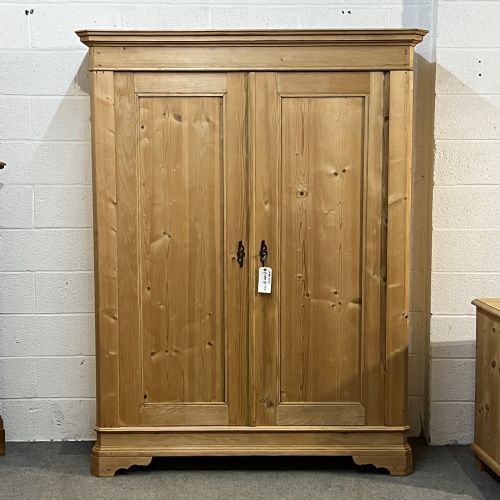
Origin variations include English pieces alongside French provincial designs, showing regional timber preferences and decorative carving traditions. The most common versions met here are expansive nineteenth-century wardrobes and armoires built in mahogany, walnut, or oak.
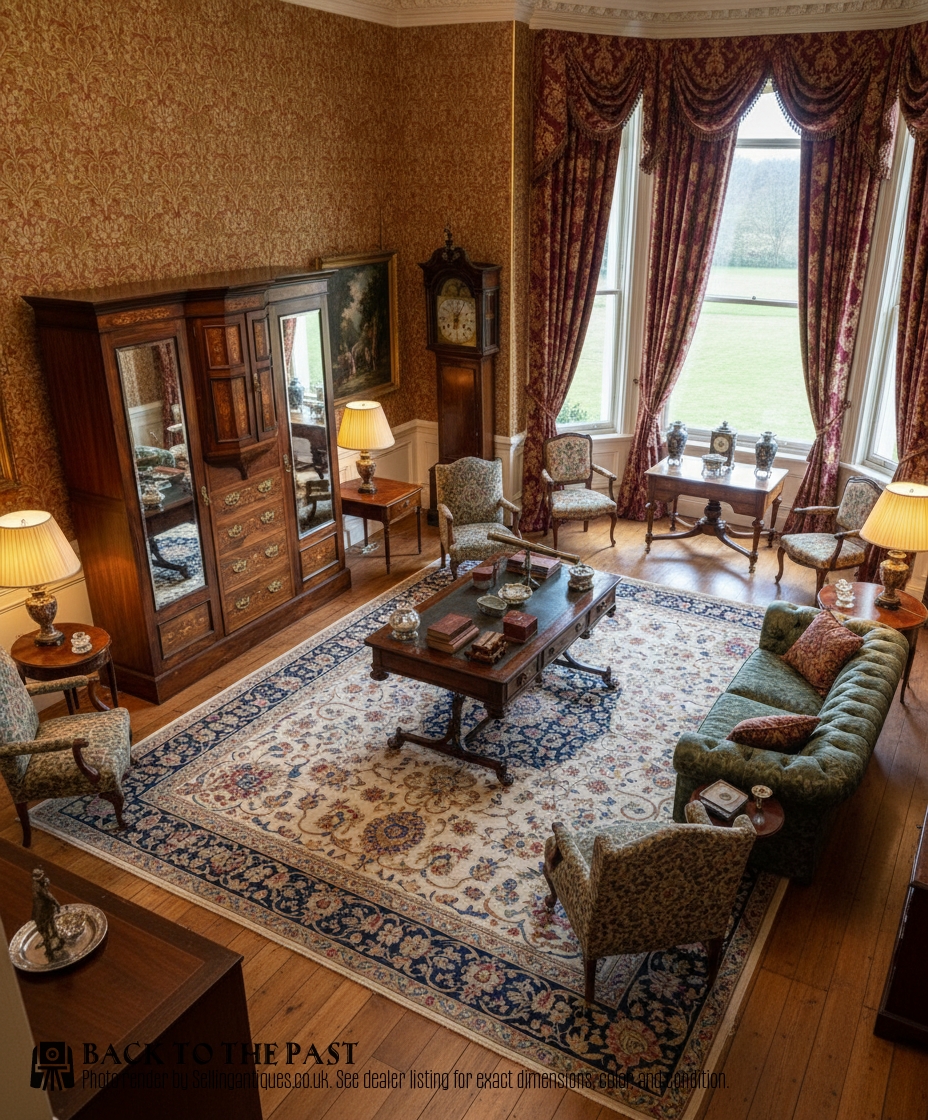
How they were made
Construction relies on dense cabinet timbers such as mahogany, oak, walnut, burr walnut, rosewood, and fruitwood. Selected pieces incorporate decorative satinwood inlay, maple panels, and carved details executed directly into the solid wood.
Functional elements integrate brass hardware and large sheets of mirror glass fitted into door panels. Interior configurations frequently include hanging rails, adjustable shelving, and secret drawers concealed within the cabinet architecture.
Retail Price Guide 2026
Typical UK retail prices for large armoire, calculated from the Sellingantiques database of over a million retail prices indexed since 2003. This retail price guide relies exclusively on Sellingantiques data; no external sources or auction records are used, so the figures do not describe the wider market.
Certain French fruitwood models conceal secret drawers, giving your wardrobe a hidden compartment for small treasures.
What varies in quality
The distinction between standard cabinet work and exceptional execution lies in the selection of timber veneers and the depth of carved ornamentation. Burr walnut and figured mahogany displays show careful matching across large door surfaces, while secondary woods are chosen for structural stability.
Structural complexity also separates pieces, seen in breakfront framing, multi-door configurations, and integrated mirror glass. Fine proportioning and crisp joinery across monumental proportions define the upper tier of surviving examples.

The Large Armoire Glossary
- Armoire
- A large upright cupboard or wardrobe used for storing clothes. These cabinets typically feature double doors enclosing hanging space or shelving.
- Linen press
- A tall piece of furniture designed originally for storing folded sheets and textiles. It often combines upper cupboard storage with lower drawer banks.
- Breakfront
- A cabinet design where the central section projects forward from the flanking outer sections. This architectural arrangement adds visual depth to large wardrobes.
- Sentry box
- A narrow single-door combination wardrobe design. The compact footprint resembles the shape of a sentry box.
- Burr walnut
- A highly figured timber veneer taken from the growth excrescences on walnut trees. It creates swirling, organic patterns across large panel surfaces.
Frequently Asked Questions
How do I fit an armoire?
Measure your ceiling height and floor space carefully before acquiring a large wardrobe. Many antique pieces dismantle into sections for transport and installation.
Ensure clearance for opening large timber or mirrored doors within your room layout.
What is inside an armoire?
Interiors vary by piece, offering hanging rails, fixed or adjustable shelving, and internal drawer compartments. Some configurations include linen storage or specialised combination layouts.
Review the specific internal fittings of each cabinet to match your storage requirements.
How do I date an armoire?
Examine the timber species, construction methods, and hardware styling to estimate the period of manufacture. Nineteenth-century pieces often display Victorian, Edwardian, or George IV characteristics.
Stylistic cues such as carved oak French panels or satinwood inlay provide clear chronological markers.
Are these pieces solid wood?
Most large wardrobes combine solid structural framing with decorative timber veneers on the primary panels. Woods like mahogany, oak, and walnut form the core construction.
Veneers such as burr walnut are applied to stable backing timbers to prevent warping.