







Landscape Fireplace Mirror
A landscape fireplace mirror brings width and light above a hearth, and these horizontal frames anchor a room.
Landscape Fireplace Mirror
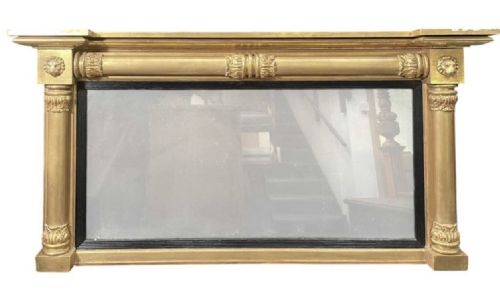
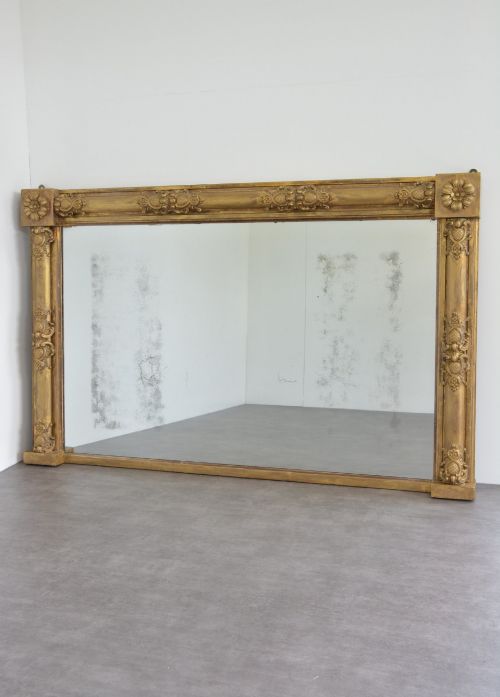
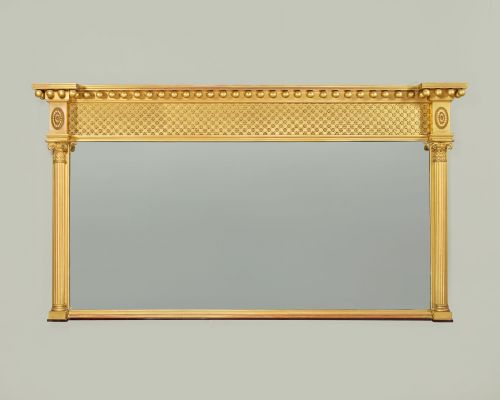
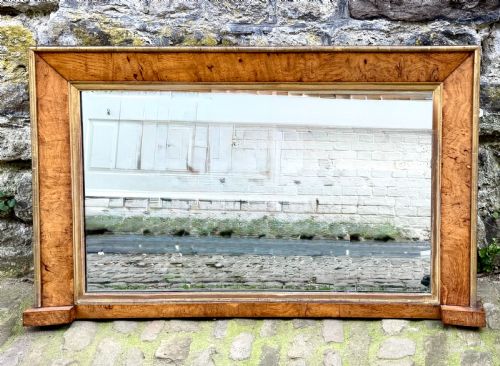
When you search for a landscape fireplace mirror, you are looking at long horizontal looking glasses designed specifically to hang on the wall above a mantelpiece. The selection here spans the eighteenth, nineteenth, and early twentieth centuries, drawing on Georgian, Regency, Victorian, Edwardian, and Art Deco styles.
You are most likely to encounter nineteenth-century examples, particularly Regency giltwood overmantels with architectural proportions. These pieces function visually to bounce light across a room while echoing the long horizontal line of the fireplace below.
The objects themselves appear primarily as overmantel mirrors and wall mirrors, taking rectangular formats that often incorporate multiple plates or classical friezes. Formats range from neat-sized domestic mirrors to large five-foot architectural pieces sourced from English country houses.
How they were made
Carvers shaped wooden frames from pine, walnut, burr walnut, or ebonised wood before applying layers of gesso to build up intricate low-relief ornamentation. Gilding was then applied in thin metal leaf over the prepared gesso grounds to create a brilliant reflective surface.
Makers utilised composition ornamentation pressed in moulds for repetitive motifs like acanthus leaves and classical friezes, attaching these directly to the wooden structure. Mirror glass was set into the rebates, occasionally showing age through foxing or surviving as original historic plates.
Landscape Fireplace Mirror Retail Price Guide 2026
Typical asking prices for landscape fireplace mirror among the pieces listed under this phrase on Sellingantiques today, from the lower quarter to the upper quarter. They describe what is for sale here now, not the wider market.
Listings feature periods from the 18th century through to Art Deco, with nineteenth-century examples forming the majority of the material.
What varies in quality
The distinction between tiers of work rests on the crispness of the carved or moulded ornament and the depth of the gilding. Hand-carved wooden details and well-modelled gesso retain sharper definition than heavily restored or worn compositions.
Proportion and the preservation of original surfaces drive the standing of individual examples. Original mirror glass with light foxing and intact multi-plate triptych divisions command greater interest than later glass replacements.
The Landscape Fireplace Mirror Glossary
- Overmantel mirror
- A large horizontal looking glass designed specifically to be hung on the wall directly above a fireplace mantel. These frames match the width of the hearth and serve to reflect light into the living space.
- Gesso
- A plaster-like mixture applied to wooden frames as a smooth base for gilding or painting. It allows craftsmen to model sharp decorative details.
- Triptych
- A mirror plate divided vertically into three distinct sections, often separated by slender columns or pilasters. This layout is characteristic of Regency and classical designs.
- Foxing
- Small dark spots and gradual discolouration within the silvering of antique mirror glass caused by oxidation over time. It indicates age in the reflective plate.
- Giltwood
- Timber that has been coated with thin sheets of gold leaf. It forms the primary finish for formal nineteenth-century frames.
Landscape Fireplace Mirror: Frequently Asked Questions
How do I hang a heavy overmantel mirror safely?
These large horizontal frames require robust fixings secured directly into the masonry or wall studs above the fireplace. Professional installers use heavy-duty mirror plates or French cleats to support the substantial weight.
Because the pieces are wide and heavy, distributing the load evenly across multiple fixing points prevents structural strain on both the wall and the wooden frame itself.
What does foxed glass mean?
Foxed glass refers to antique mirror plates that display characteristic age spots, mottling, or light clouding in the reflective backing. This chemical change happens naturally as air interacts with the silvering over generations.
Collectors often value original foxed glass because it confirms the authenticity of the plate and adds gentle visual depth.
How do I clean an antique gilded frame?
Dust gilded wood gently with a soft dry brush, avoiding synthetic cloths or aggressive rubbing that might lift the delicate gold leaf. Moisture and chemical polishes will strip the gesso and ruin the finish.
Keeping the frame away from direct heat sources above the fireplace prevents the wood from drying out and cracking.