




Lalique Glass Centrepiece
A lalique glass centrepiece brings dramatic twentieth-century presence to a room, combining tactile moulded forms with luminous opalescent surfaces.
Lalique Glass Centrepiece
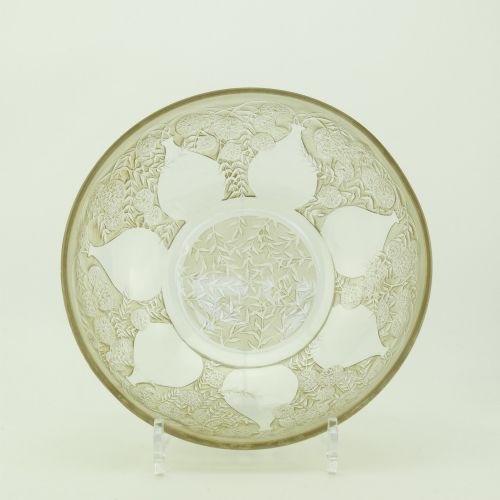
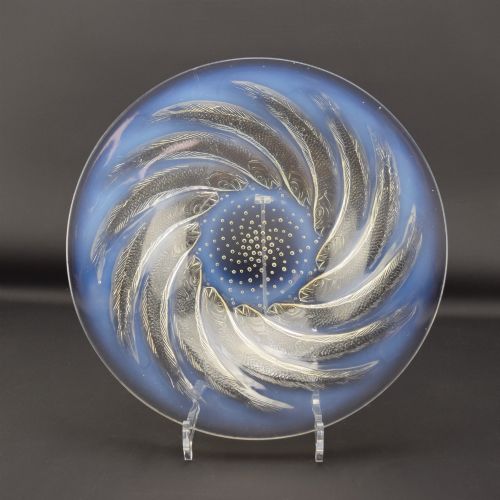
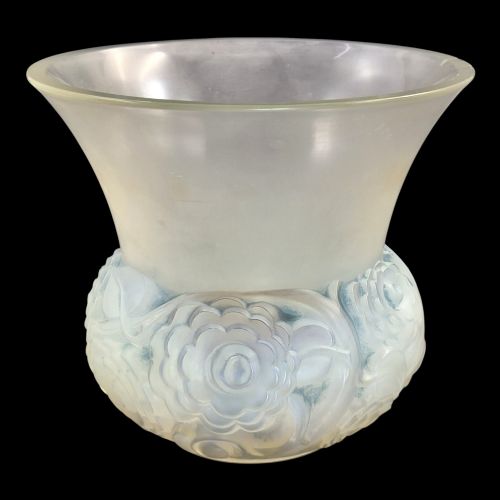
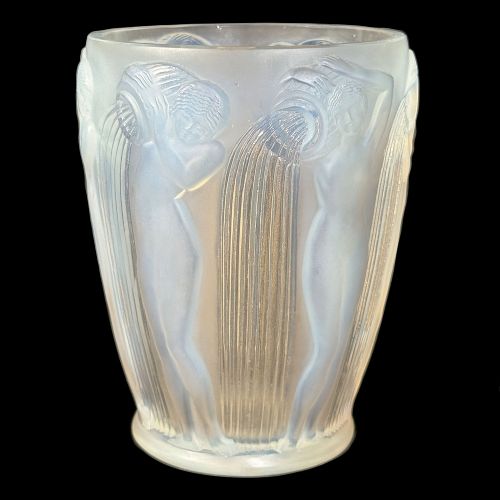
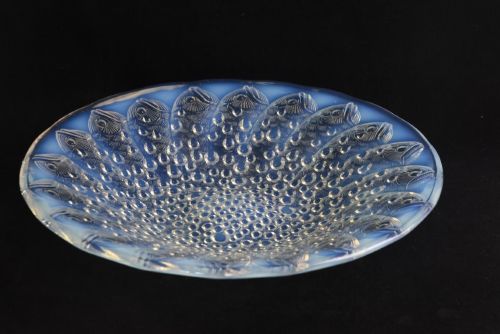
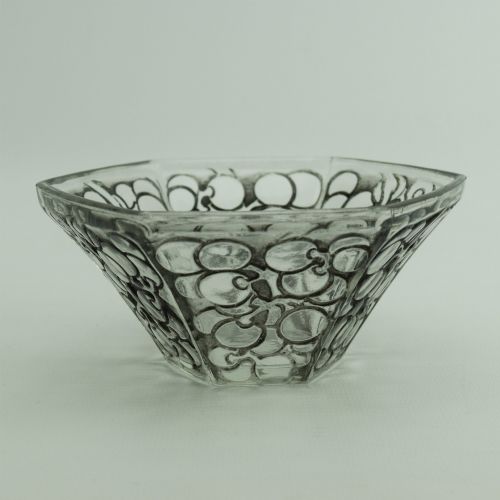
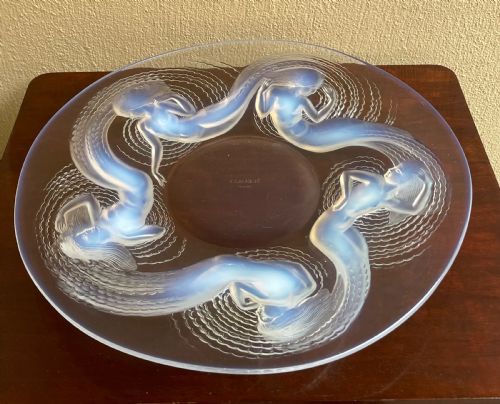
A lalique glass centrepiece encompasses decorative bowls, open coupes, chargers, and vases created during the early decades of the twentieth century. These substantial objects command attention on dining tables or sideboards, functioning as focal points in a room.
The pieces appearing most frequently take the form of shallow bowls, footed bowls, and wide chargers adorned with flora, fauna, and figurative motifs. Art Deco and Art Nouveau aesthetics dominate, reflecting the stylistic shifts of the periods in which they were produced.
Makers and designers of the era utilised specific naming conventions for their patterns, drawing inspiration from natural subjects such as fish, flowers, and leaves. Collectors encounter these distinctive forms spanning the nineteen-tens through the nineteen-thirties.
Materials and technique
Moulded glass and pressed glass form the structural foundation of these works, shaped into deep reliefs and intricate surface patterns. Techniques involving opalescent glass create a milky, shifting play of light that alters depending on the angle of view and background illumination.
Makers incorporated clear glass, crystal, amber glass, and frosted glass to contrast textures within a single object. Additional finishing touches sometimes included grey staining and enamelling to accentuate the fine details of the moulded designs.
Materials recorded across the inventory include opalescent glass, crystal, amber glass, and frosted glass.
Judging the standard
The distinction between standard examples and exceptional works lies in the crispness of the moulded relief and the depth of the opalescent fire. Superior pieces display sharp definition in delicate botanical or figurative elements without blurring in the transitions.
The successful marriage of surface finish, such as staining or enamelling, with the base glass elevates an object. The interaction of light across frosted and clear areas demonstrates the technical skill involved in the original production.
Rene Lalique
The Lalique Glass Centrepiece Glossary
- Coupe ouverte
- An open bowl or shallow vessel designed for display or table use. These pieces often feature wide rims decorated with moulded motifs.
- Opalescent glass
- A type of glass that appears milky-blue in transmitted light and warm amber or orange in reflected light. This optical property creates a characteristic shimmering effect.
- Moulded glass
- Glass formed by pressing molten material into a metal or wooden mould to achieve high-relief patterns. It allows for consistent production of complex sculptural designs.
- Charger
- A large decorative plate or shallow dish used as a centrepiece or serving piece. They provide a broad canvas for elaborate artistic designs.
Lalique Glass Centrepiece: Frequently Asked Questions
What is a lalique glass centrepiece?
A lalique glass centrepiece is a decorative vessel, typically a bowl, charger, or vase, produced during the early twentieth century. These items are celebrated for their sculptural qualities and distinct surface treatments.
They serve as prominent decorative objects in interior spaces, designed to catch and refract light effectively from a central position in a room.
How do I identify periods?
Identifying periods relies on recognising the stylistic transition from Art Nouveau curves to geometric Art Deco symmetry. The motifs utilised, such as specific floral or animal patterns, often correlate with particular decades.
Material finishes and signature styles also offer clues to whether a piece originates from the nineteen-tens, nineteen-twenties, or nineteen-thirties.
How were these bowls used?
These vessels were primarily created as decorative showpieces for dining tables, sideboards, and entrance halls. Their substantial forms allowed them to stand alone as works of art.
Some shallow bowls and coupes were also utilised functionally for holding fruit or floating flowers during formal gatherings.
How do I care for my piece?
Living with these glass objects involves careful placement away from edges and direct, harsh impacts. Dusting gently with a soft cloth maintains the surface finish.
Cleaning should be done sparingly using lukewarm water and mild soap, avoiding abrasive materials that might damage frosted or stained areas.