


Moulded Art Deco Glass
Moulded art deco glass brings geometric symmetry and tactile relief to interior spaces through heavy, light-catching vessels and figures.
Moulded Art Deco Glass
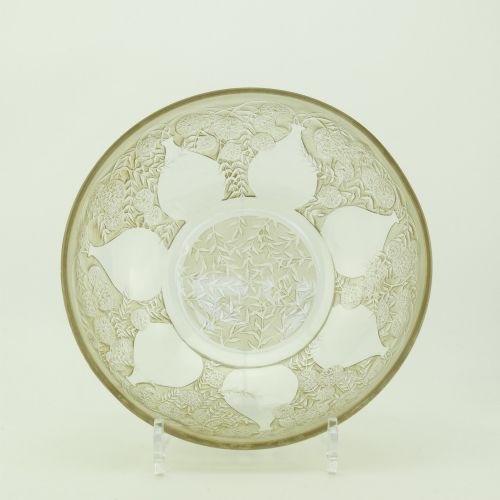
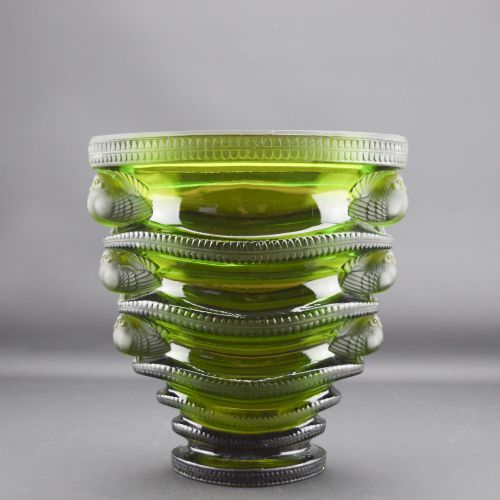
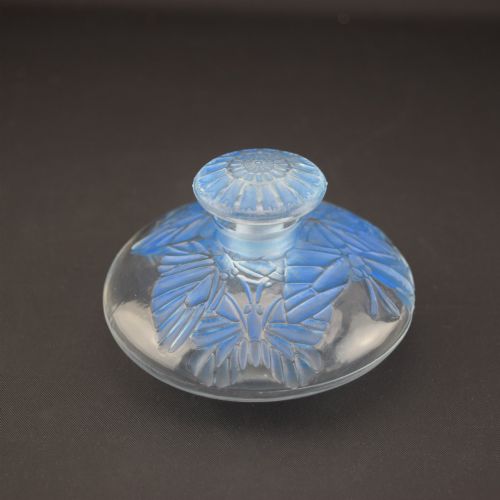
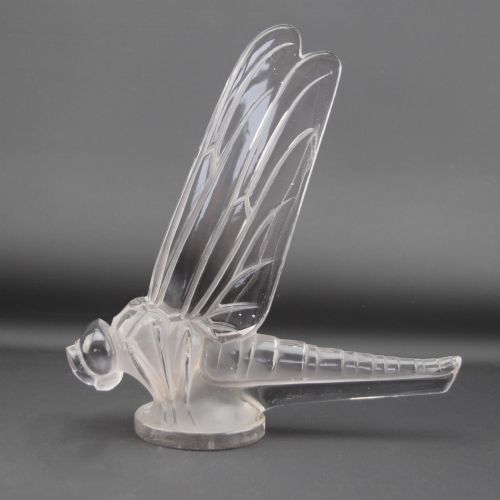
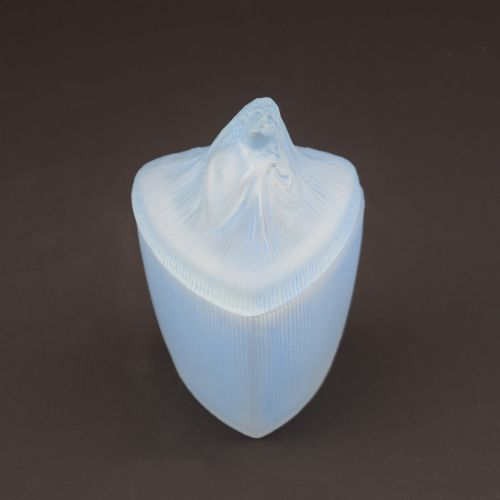
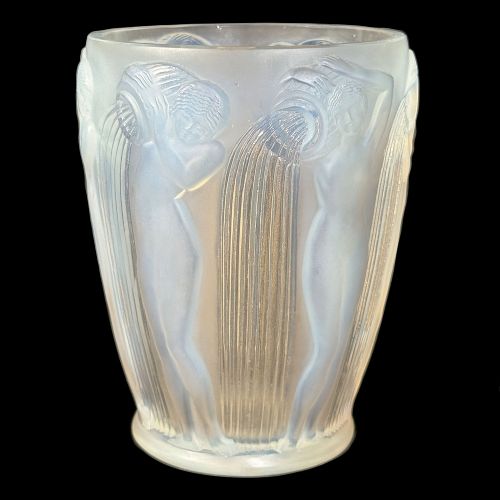
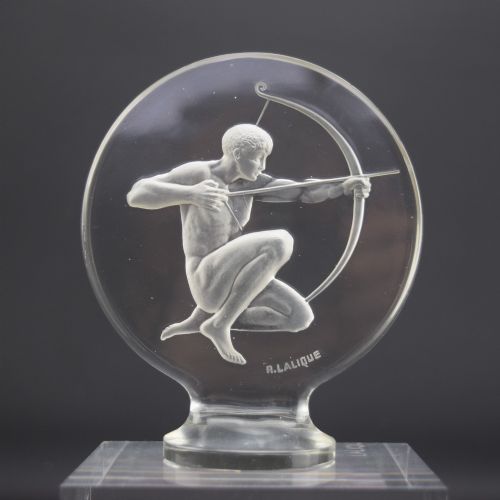
Moulded art deco glass encompasses decorative objects produced primarily during the 1920s and 1930s. Vases, bowls, perfume bottles, and car mascots dominate the forms found in this category.
The aesthetic draws heavily on the streamlined principles of the Art Deco movement, though occasional Edwardian and Art Nouveau influences appear in earlier pieces. Buyers frequently encounter French production, particularly works featuring high-relief figures and flora.
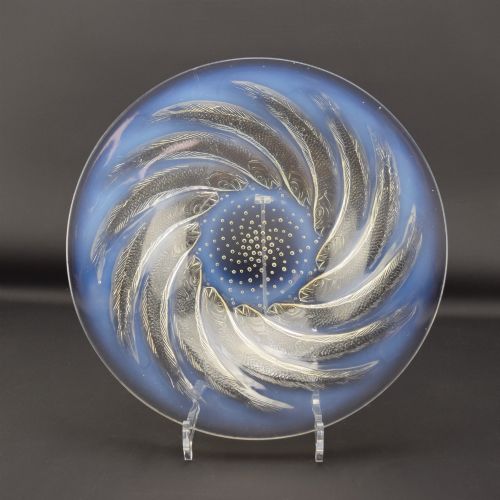
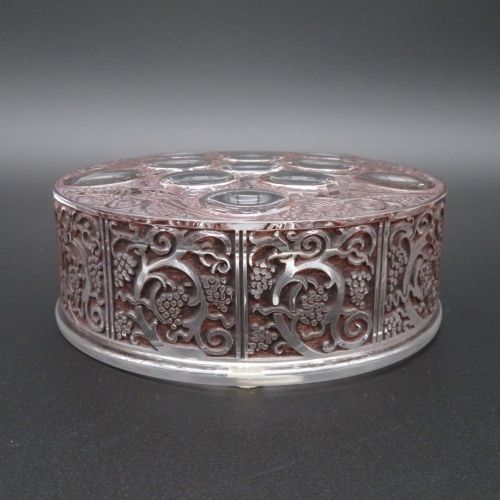
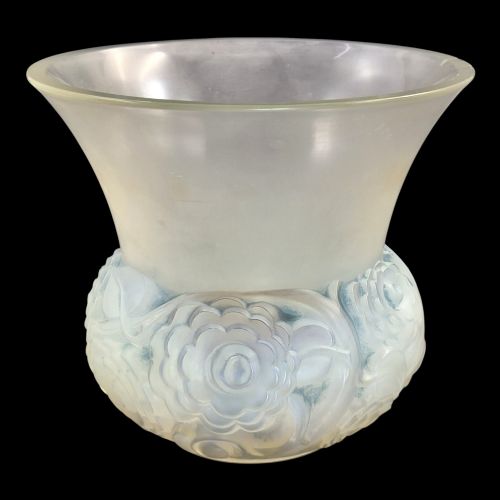
Vessels range from large chargers and coupe vases to small powder boxes and paperweights. These utilitarian and decorative items showcase the period's obsession with clean lines and figurative motifs.
Assessing quality in moulded glass
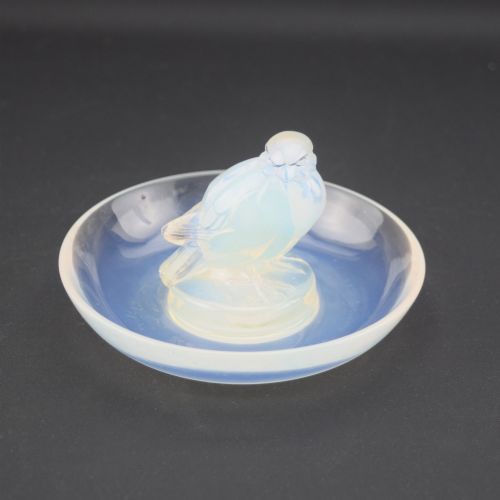
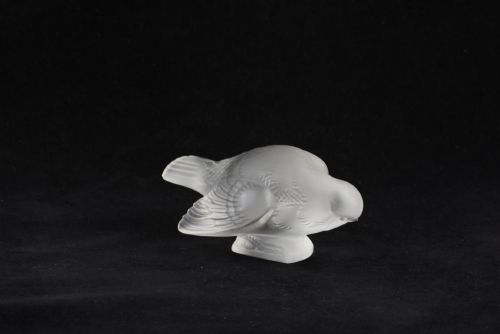
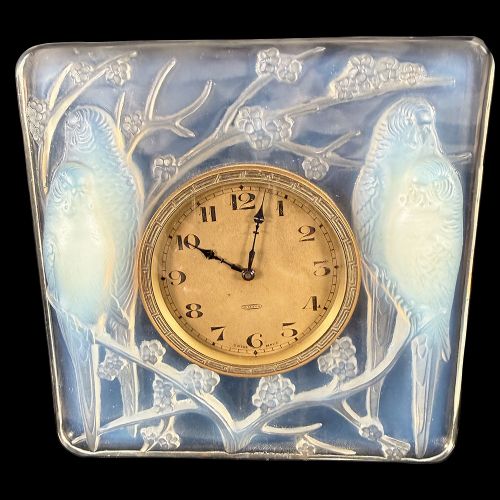
The optical properties of the material dictate visual success. High-grade opalescent pieces exhibit a pronounced play of colour within the glass mass, while frosted sections demonstrate careful acid-treatment or fire-polishing to create a uniform, tactile finish.
Listings feature items spanning from 1910 through the 1930s, concentrating heavily on pieces produced in the 1920s.
Rene Lalique·Amalric Walter·Henry Berge·G Vallon·Etling·Lucille Sevin
The Moulded Art Deco Glass Glossary
- Opalescent glass
- Glass that milky-blue or amber tone which changes colour according to the light source. It scatters transmitted light with a warm glow and reflects a cool blue.
- Frosted glass
- A matte finish applied to the surface to diffuse light and create a tactile contrast against clear sections. This effect is achieved through acid-etching or sandblasting.
- Pate de verre
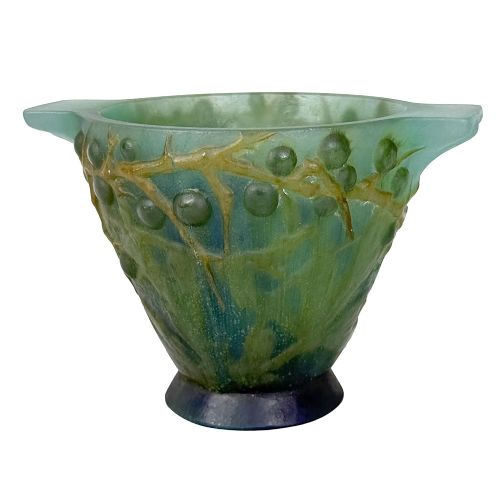
- A glass-casting method where finely crushed glass is mixed with a binder and fired in a kiln. The technique produces dense, granular objects with rich colour saturation.
- Car mascot
- A sculptural ornament mounted on the radiator caps of automobiles during the early twentieth century. Many were produced in heavy moulded glass by prominent designers.
- Coupe ouverte
- An open bowl shape with wide sides, often decorated with high-relief moulded motifs around the exterior rim. These pieces function as decorative table centrepieces.
Moulded Art Deco Glass: Frequently Asked Questions
How do I clean moulded art deco glass?
Wash the glass gently in warm water using a mild, non-abrasive detergent. Avoid harsh scrubbing brushes that might scratch frosted or stained surfaces.
Dry the piece immediately with a soft, lint-free cloth to prevent water spots from forming on the complex relief details.
Were these items meant for daily use?
Many objects served practical purposes on dressing tables, dining rooms, and desks. Perfume bottles held scents, while bowls and vases served functional roles in the home.
Larger chargers and decorative figurines were primarily ornamental, designed to catch light and display the maker's sculptural skill.
How can I tell a 1920s piece from a later reproduction?
Examine the sharpness of the moulded details and the weight of the glass body. Period production typically exhibits crisp definition in the relief work and appropriate handling wear on the base.
Consult the signatures and factory marks moulded or engraved into the glass surface, comparing them against documented examples from the era.
Why do some pieces change colour in the light?
Opalescent glass contains chemical agents that react to illumination by scattering specific light wavelengths. This creates the characteristic milky blue and amber shift unique to this type of production.
Direct sunlight or spotlighting enhances this optical phenomenon, highlighting the three-dimensional depth of the moulded design.