

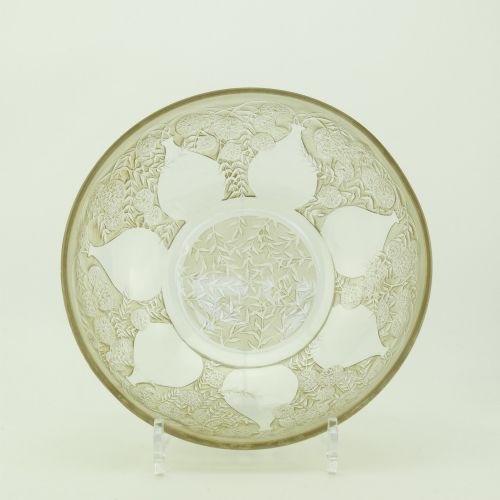
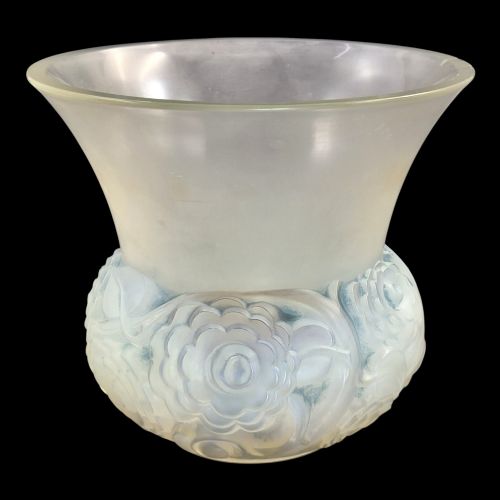


Lalique Decorative Bowl
These lalique decorative bowl pieces combine moulded glass and striking Art Deco design, offering collectors exceptional decorative glassware from the early twentieth century.

Lalique Decorative Bowl
A lalique decorative bowl is a form of pressed or moulded glass vessel designed primarily for display rather than utility. These pieces span the Edwardian period through the 1920 and 1930 decades, representing classic Art Deco aesthetics.
The versions most commonly met on this page include shallow bowls and plates featuring botanical and aquatic motifs. Pieces such as the Lys footed bowl and the Poissons plate demonstrate the characteristic forms available to a collector.
Makers and designers from this era utilised specific glass types to create distinctive visual textures. Bowls and plates from this selection originate predominantly from French production.
How They Were Made
Makers utilised moulded glass, clear glass, crystal, amber glass, and frosted glass to achieve tactile and visual depth. Opalescent glass is particularly frequent, catching light and shifting colour according to the angle of illumination.
Techniques relied upon precise mould-making to capture intricate surface reliefs such as flower heads, fish, and birds. Molten material was pressed into metal forms, then finished with frosted and polished treatments to contrast surface textures.
Lalique Decorative Bowl Retail Price Guide 2026
Typical asking prices for lalique decorative bowl among the pieces listed under this phrase on Sellingantiques today, from the lower quarter to the upper quarter. They describe what is for sale here now, not the wider market.
Listings feature pieces spanning the Edwardian period, 1920, and 1930, executed in opalescent glass, frosted glass, and crystal.
What Varies in Quality
The standard of a piece rests upon the crispness of the moulding and the subtlety of the opalescent effect. Stronger definition in motifs such as floral petals or fish scales distinguishes superior examples.
Surface finish and the interplay between clear and frosted areas determine the overall visual impact of the glass. The depth of colour in amber variations and the clarity of the base material further divide the range.
Rene Lalique·R. Lalique·René Lalique
The Lalique Decorative Bowl Glossary
- Opalescent Glass
- Glass that diffuses light to display a milky, bluish, or amber glow depending on the angle of illumination. This effect was a hallmark of decorative glass production in the early twentieth century.
- Frosted Glass
- Glass rendered opaque through acid-etching or sandblasting to create a textured, non-reflective surface. Makers used this finish to highlight sculptural details against clear or opalescent backgrounds.
- Moulded Glass
- Glass shaped by pressing molten material into a metal or wooden matrix to form intricate patterns. This technique allowed for consistent production of complex decorative reliefs.
- Art Deco
- A design style characterised by sleek geometric shapes, stylised floral motifs, and streamlined forms. It dominated decorative arts throughout the 1920 and 1930 decades.
- Footed Bowl
- A vessel raised on a distinct base or pedestal rather than resting flat on its bottom. This form elevates the display of moulded motifs around the body.
Lalique Decorative Bowl: Frequently Asked Questions
What is a lalique decorative bowl?
A lalique decorative bowl is an artistic glass vessel created during the early twentieth century, featuring moulded reliefs of flora, fauna, or geometric patterns. These pieces function primarily as centrepieces or display items.
They reflect the height of Art Deco design and French glassmaking craftsmanship, utilising opalescent and frosted finishes to catch and scatter light.
How do I identify a period piece?
Period pieces from the 1920 and 1930 decades typically exhibit specific surface signatures such as opalescence, precise relief moulding, and characteristic Art Deco iconography. Examining the weight, texture, and handling of the glass helps distinguish original production from later iterations.
Signatures or moulded marks associated with the maker also provide reliable chronological indicators when present on the base or rim.
How were these bowls used originally?
These vessels served mainly as decorative table ornaments, fruit bowls, or shallow display dishes within affluent households of the Edwardian and Art Deco eras. Their intricate designs meant they were meant to be seen from multiple angles on sideboards or dining tables.
While some larger bowls could hold items, their primary purpose was aesthetic enhancement of interior spaces.
How do I care for a glass bowl?
Care requires gentle hand washing in lukewarm water with mild soap, avoiding harsh abrasives or sudden temperature changes that might stress the glass. Soft cloths prevent scratching the frosted and opalescent surfaces.
Displaying the vessel away from direct edges or high-traffic areas ensures it remains secure from accidental impact.