




Lalique Centrepiece Bowl
These lalique centrepiece bowl pieces combine moulded glass and striking design, bringing distinct twentieth-century character to any table.
Lalique Centrepiece Bowl
When searching for a lalique centrepiece bowl, collectors encounter substantial glass vessels originating primarily from the early twentieth century. The selection spans decorative bowls, glass bowls, vases, chargers, and decorative plates created during the Art Deco and Art Nouveau movements.
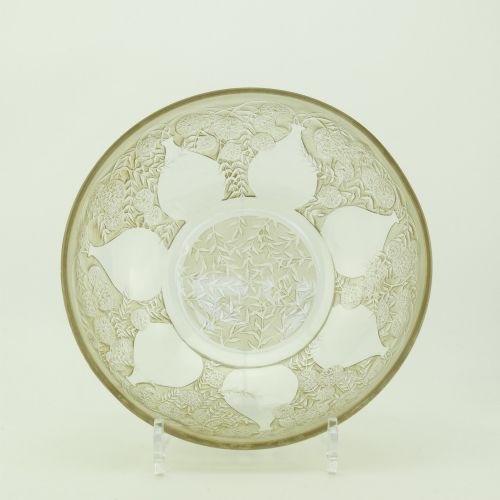
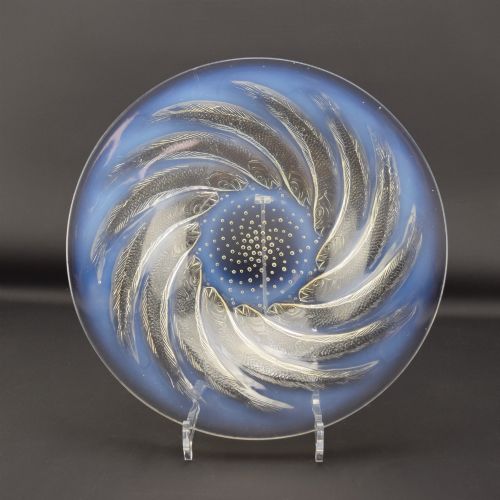
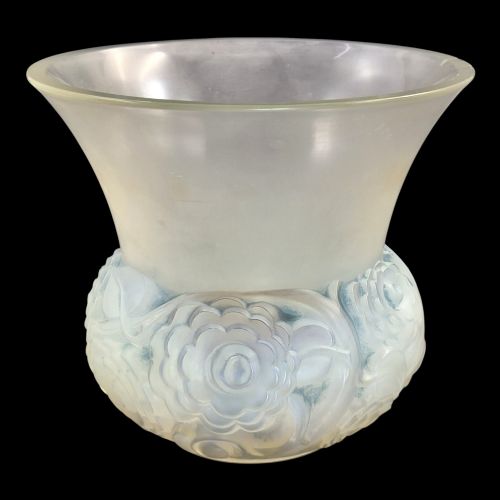
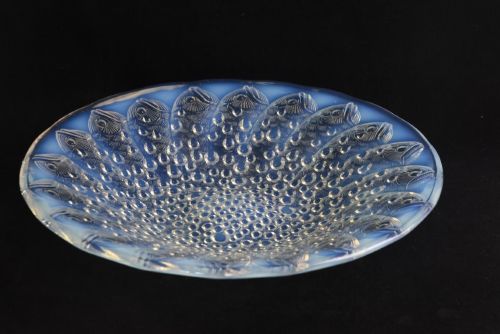
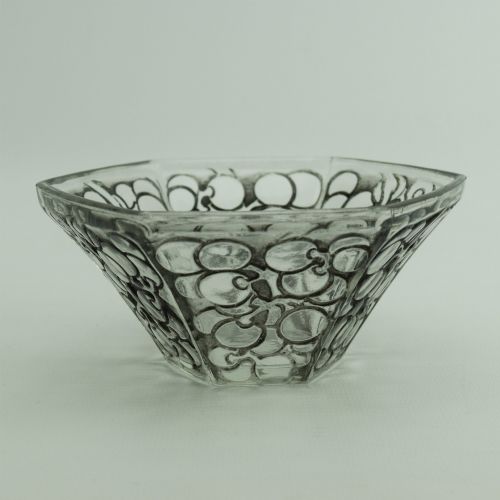
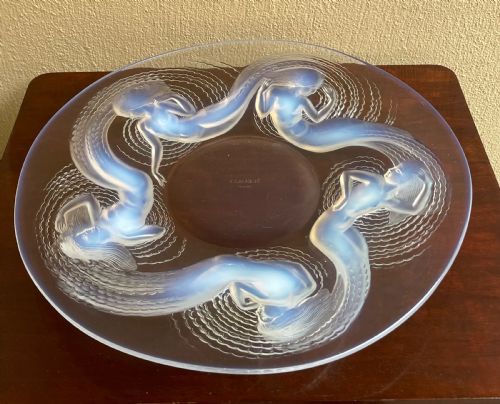
The pieces appearing on this page showcase notable forms such as shallow bowls, footed bowls, and open bowls. Makers utilise expressive natural motifs including fish, flowers, and foliage across diverse geometric and organic formats.
Originating largely from French production, these items reflect the stylistic shifts of the 1910s, 1920s, and 1930s. Buyers frequently discover iconic named designs that define the period output.
How lalique centrepiece bowl pieces were made
Makers shaped these glass objects through meticulous moulding and pressing techniques to achieve precise relief decoration. Artisans worked with clear glass, crystal, and amber glass to form the structural body of each vessel.
Surface finishes rely on opalescent glass, frosted glass, grey staining, and enamelling to highlight the intricate details. These treatments create the characteristic play of light across floral and faunal motifs.
Fish, flowers, and fruit populate the glass surface, turning every dining table into an underwater grotto or a sunlit orchard.
What varies in quality in lalique centrepiece bowl pieces
Quality rests upon the crispness of the moulded relief and the depth of the opalescent or frosted effects. Superior examples display sharp definition in complex patterns such as fish scales or delicate flower petals.
The subtlety of surface staining and the purity of the glass mass dictate the visual impact of the piece. Masterful execution ensures that light interacts dynamically with the contours of the bowl.
Rene Lalique
The Lalique Centrepiece Bowl Glossary
- Opalescent Glass
- Glass that diffuses light to display milky, bluish, or amber tones depending on the angle of illumination. This effect is central to many twentieth-century decorative pieces.
- Coupe Ouverte
- An open bowl form frequently utilised for large decorative vessels. These wide shapes showcase elaborate relief decoration across the interior.
- Frosted Glass
- Glass treated to achieve a textured, matte surface rather than a clear finish. It accentuates sculptural details by softening reflections.
- Art Deco
- A design style prominent in the 1920s and 1930s characterised by stylised motifs and geometric symmetry. It heavily influences the forms found in this category.
- Charger
- A large decorative plate or shallow vessel used for display rather than service. These expansive surfaces often carry detailed naturalistic themes.
Lalique Centrepiece Bowl: Frequently Asked Questions
What is a lalique centrepiece bowl?
A lalique centrepiece bowl is a decorative glass vessel created during the early twentieth century, featuring moulded reliefs and opalescent finishes.
These items function primarily as focal points for tables and displays, combining utilitarian form with artistic expression.
How do I date a lalique centrepiece bowl?
Dating relies on stylistic markers from the Art Nouveau and Art Deco periods, alongside specific named patterns produced in the 1910s, 1920s, and 1930s.
Examining the manufacturing techniques and signature styles helps place each piece within its historical decade.
What materials are used in these bowls?
The pieces utilise moulded glass, crystal, and pressed glass, often enhanced with opalescent or frosted treatments.
Additional surface effects such as grey staining and enamelling frequently appear to define the decorative motifs.
How should I display a glass bowl?
These vessels suit prominent placement on dining tables or sideboards where adequate lighting can activate the opalescent qualities.
Ensuring a stable surface allows the detailed floral and faunal reliefs to be appreciated from multiple angles.