




Lake District Original Painting
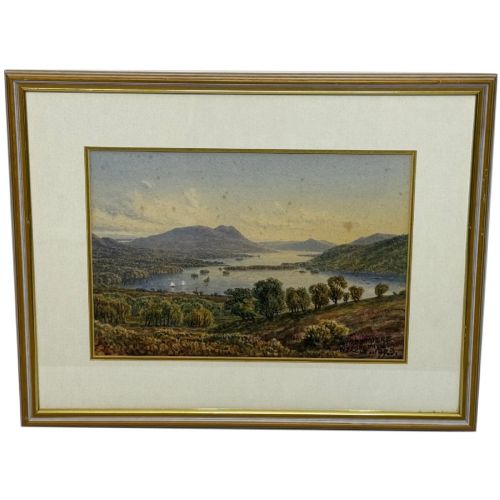
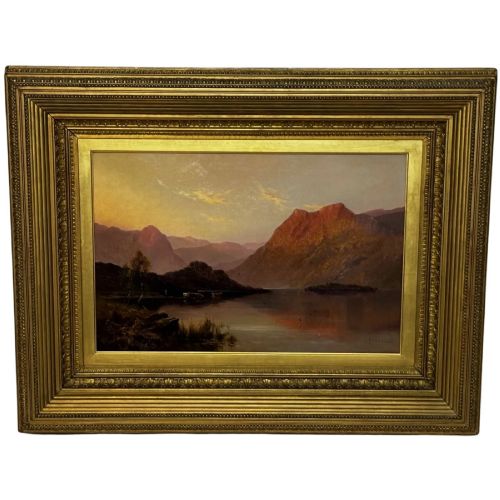
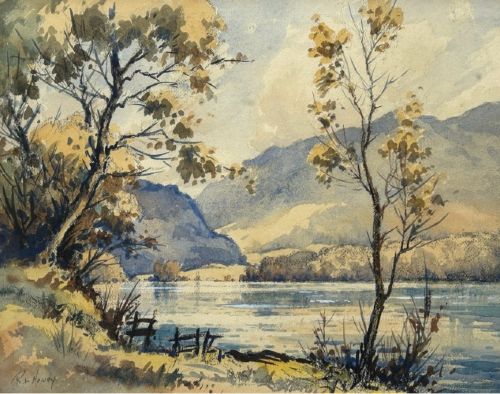
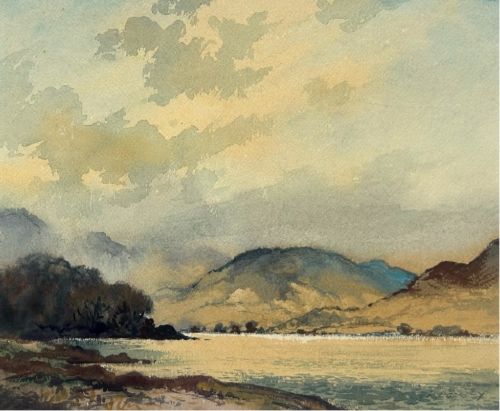
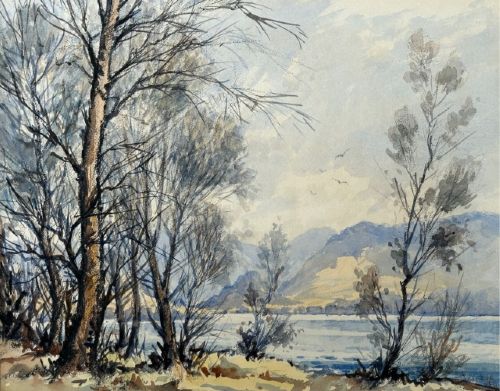
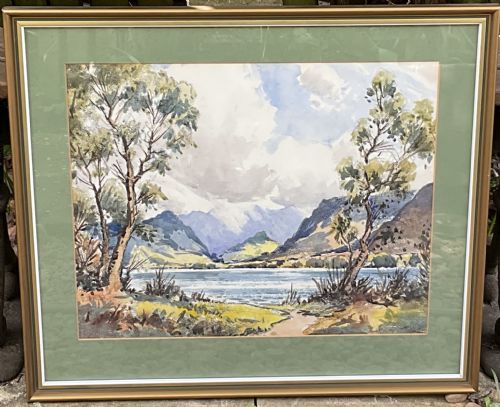
When searching for a lake district original painting, collectors find topographical oil paintings and watercolours capturing Cumbrian fells and waters.
Lake District Original Painting
A lake district original painting depicts regional landscapes including Windermere, Derwentwater, and the Langdale Pikes through various historic periods.
Buyers encounter watercolours and oil paintings created by regional artists working from the eighteenth century to the mid-twentieth century.
How these artworks were created
Artists applied watercolour pigment and oil paint to paper, canvas, and wooden boards to render Cumbrian scenery.
Works frequently combine watercolour and ink, framed behind glass with wood and gesso mouldings.
Listings span from the 17th Century to the mid-20th Century, featuring paper, canvas, wood, and glass components.
What determines quality in these paintings
Condition of the original paper or canvas, alongside period framing, distinguishes notable examples.
William Taylor Longmire·Alfred Fontville de Breanski·Robert Leslie Howey·Helen Layfield Bradley·Edward Dayes·Edward Horace Thompson·Joseph Farrington·Claude Muncaster·Frederick Tucker·Cornelius Pearson·William Mellor·Percy Lancaster·William Green·Cuthbert Rigby
The Lake District Original Painting Glossary
- Topographical
- Depicting a specific real-world place accurately. These paintings record actual Cumbrian viewpoints.
- Impasto
- Paint applied thickly so it stands out from the surface. This technique creates texture in foliage and water.
- Gesso
- A plaster-like mixture applied to wood before gilding or painting. Period frames utilise this material for decorative mouldings.
- Watercolour
- Paint consisting of colour pigments suspended in a water-based solution. Artists use this medium on paper supports.
- Provenance
- The chronology of the ownership of a work of art. Documentation helps confirm the history of these landscapes.
Lake District Original Painting: Frequently Asked Questions
What periods do these paintings cover?
The available selection spans from the eighteenth century through the Victorian and Edwardian eras into the mid-twentieth century.
Examples incorporate nineteenth-century topographical traditions and mid-century British impressionist interpretations.
Which materials were used by the artists?
Painters utilised oil paint and watercolour pigment applied to canvas, wood panels, and paper.
Finished works are typically housed in wood frames, occasionally featuring gesso details and protective glass.
How do I identify specific Cumbrian locations?
Artists frequently inscribed titles, dates, or specific geographical landmarks directly onto the mount, canvas reverse, or composition.
Recognisable subjects include Windermere, Derwentwater, Grasmere, and the Langdale Pikes.
How should I display a vintage painting?
Mount the artwork on an interior wall away from direct sunlight to protect watercolours and oil pigments from fading.
Maintain stable humidity levels to preserve both the painting surface and the original wooden frame.