


Grey Mountain Landscape Artwork
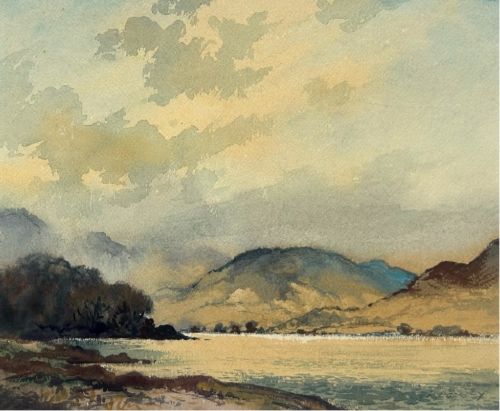
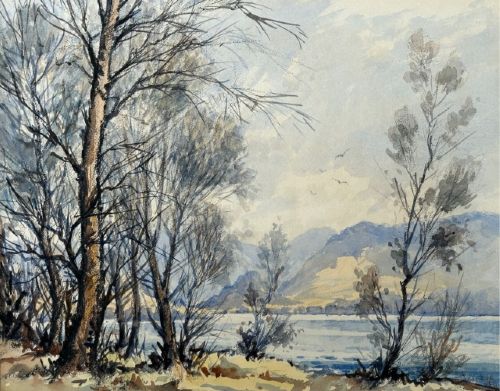
Grey mountain landscape artwork brings dramatic peaks and moody highland vistas into an interior, offering a window into rugged terrain.
Grey Mountain Landscape Artwork
When you search for grey mountain landscape artwork, you encounter historical paintings capturing dramatic peaks, remote valleys, and highland expanses. These pieces focus heavily on atmospheric tones, utilising restrained palettes to evoke the solemn beauty of high-altitude scenery.
The selections available here span multiple eras, ranging from Victorian depictions of Swiss valleys to mid-century British and Scottish impressions. You will frequently find watercolours and oils on canvas or board, depicting specific locations from the Lake District to the Swiss Alps.
Makers and artists represented across these listings include named painters such as Robert Leslie Howey, Stanley Orchart, William Miller Frazer, Hirst Walker, Noel Harry Leaver, and James Poole, alongside traditional British and Chinese school works.
Materials and methods
Artists utilise watercolour pigment on paper and oil paint on canvas or wood boards to capture these upland scenes. Watercolour applications allow for translucent washes of grey and blue, suggesting misty mountain air and distant crags.
Oil paintings provide heavier texture and depth, allowing creators to build up impasto for rocky outcrops and turbulent mountain streams. Framing often incorporates wood and glass to protect delicate paper works or heavy canvas supports.
Listings feature works spanning from the nineteenth century through the mid-twentieth century, executed in watercolour, oil, and ink on paper, canvas, wood, and glass.
Assessing quality and execution
Quality rests upon the artist's ability to command light and shadow across difficult terrain, distinguishing masterly handling from rigid formula. The finest works demonstrate confident brushwork or delicate wash control that suggests atmospheric depth without excessive detail.
The integration of paper, pigment, and framing also dictates the enduring condition and visual impact of each piece. Superior examples retain vibrant pigments and secure mountings that preserve the integrity of the original landscape.
Robert Leslie Howey·Stanley Orchart·William Miller Frazer·Hirst Walker·Noel Harry Leaver·James Poole
The Grey Mountain Landscape Artwork Glossary
- Watercolour
- A painting method in which the paints are made of pigments suspended in a water-based solution. It is typically applied to paper to create translucent washes.
- Oil on board
- A technique where oil paint is applied directly to a rigid wooden panel rather than stretched canvas. This method provides a stable and durable painting surface.
- Impressionism
- A style of painting that focuses on capturing the general impression of a scene rather than minute details. It often emphasises shifting light and loose brushstrokes.
- Victorian
- Pertaining to the reign of Queen Victoria, characterised by detailed observation and traditional academic standards in landscape representation.
Grey Mountain Landscape Artwork: Frequently Asked Questions
Where should I display watercolour landscapes?
Watercolour paintings require protection from direct sunlight to prevent the pigments from fading over time. Position them away from windows and areas with high humidity, such as kitchens or bathrooms.
Using conservation-grade glass with UV protection helps safeguard paper works from light damage. Interior walls with ambient, indirect lighting provide the ideal environment for viewing.
How do I date an antique mountain painting?
Dating relies on examining the framing materials, canvas preparation, and stylistic markers characteristic of specific periods like the Victorian era or mid-century. Signatures, artist stamps, and inscriptions on the reverse often provide direct evidence of the creation date.
Examine the back of the board or stretcher frames for old gallery labels, exhibition stamps, or handwritten notes. These historical markers help place the artwork within a precise timeframe.
What defines British Impressionism?
British Impressionism emerged as artists adopted looser brushwork and en plein air techniques to capture natural light and atmosphere. It blends traditional British landscape subjects with the vibrant colour theories of the era.
Works in this style frequently depict moody weather, coastal views, and highland terrain using expressive, visible brushstrokes. The focus is on mood and atmospheric truth over strict topographical accuracy.