



Lake District Oil Artwork
These lake district oil artwork pieces capture northern fells and waters in oil paint, offering an enduring window into historic Cumbrian landscapes.
Lake District Oil Artwork
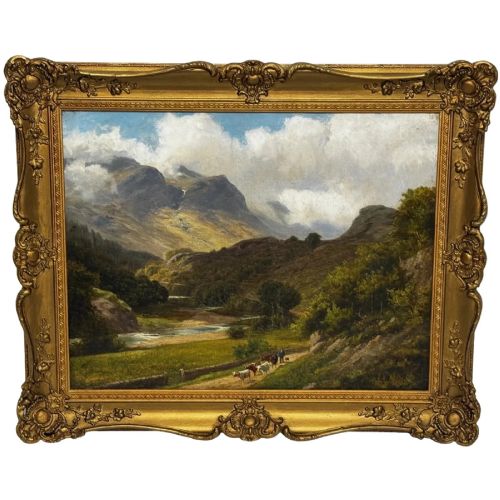
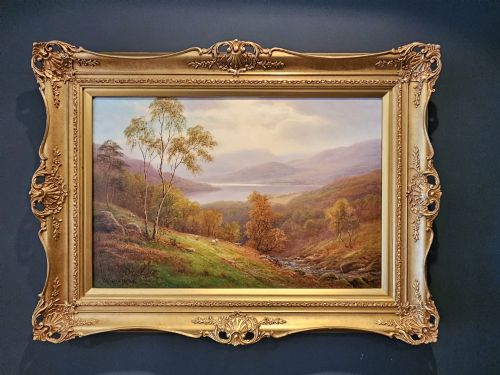
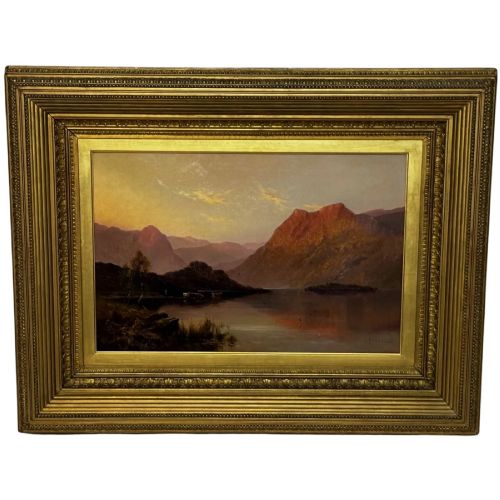
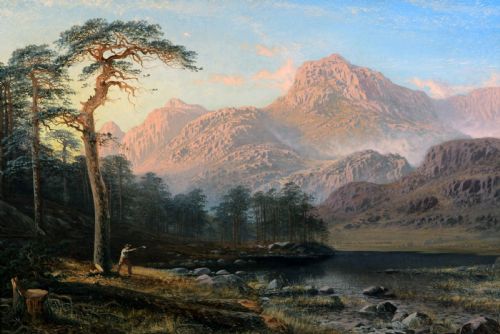
When you search for lake district oil artwork, you encounter framed landscape paintings depicting specific Cumbrian lakes, fells, valleys, and rivers. These works record topographies such as Windermere, Borrowdale, and the Langdale Pikes through various historic lenses.
The selections span distinct eras from the seventeenth century through the Victorian period and into mid-century modern interpretations. You find works ranging from early classical topographical views to impressionistic interpretations of sunshine and shadow across local estuaries.
Most examples present traditional British landscape scenes executed in oil paint upon canvas or wood panels. These pieces frequently bear signatures or attribution to notable artists who recorded the regional scenery.
Materials and construction
The foundation of these works relies primarily on oil paint applied to stretched canvas or wooden boards. Artists utilised traditional pigments combined with oils to build up textures, from smooth atmospheric washes to thick impasto applications.
Frames play a significant role in the presentation, with many pieces housed in period giltwood or gesso frames. These surrounds often feature intricate moulding that complements the character of the oil painting within.
Lake District Oil Artwork Retail Price Guide 2026
Typical asking prices for lake district oil artwork among the pieces listed under this phrase on Sellingantiques today, from the lower quarter to the upper quarter. They describe what is for sale here now, not the wider market.
Listings span centuries from the 17th century through Victorian and mid-century modern periods, executed in oil on canvas and wood.
What separates the finer examples
Condition of both the oil paint surface and the original frame dictates desirability. Superior works retain their original varnish layers and period frames without intrusive restoration obscuring the artist's hand.
Alfred Fontville de Breanski Jr·Helen Layfield Bradley·James Gunson Atkinson·Joseph Farrington·Stephen Enoch Hogley·Alfred de Breanski·Sidney Richard Percy·William Mellor·Percy Lancaster·Charles Pettitt
The Lake District Oil Artwork Glossary
- Impasto
- Paint applied thickly to a canvas, standing out in relief from the surface. This technique adds tactile depth and catches light across water or foliage.
- Gesso
- A plaster-like mixture applied to wood or canvas as a base for painting or moulded into decorative frame details. It provides a smooth, stable ground for the oil layers.
- Giltwood
- Wood carved and covered with a thin layer of gold leaf or metallic powder. Frames made this way enhance the warm tones of landscape paintings.
- Estuary
- The tidal mouth of a large river, where the tide meets the stream. Artists often paint these areas to capture changing light and expansive skies.
Lake District Oil Artwork: Frequently Asked Questions
Where should I hang an oil painting?
Position your painting away from direct sunlight and damp environments to protect the canvas and pigments. Stable room temperatures prevent the wood and canvas from warping over time.
Ensure the wall can safely support the weight of both the artwork and its heavy period frame. Proper lighting from above enhances the texture and depth of the oil paint.
How do I care for antique oil paintings?
Dust the surface and frame gently with a soft, dry brush without applying pressure to the canvas. Avoid using liquid cleaners, commercial solvents, or water on the painted surface.
Consult a professional conservator if the varnish darkens or if the paint shows signs of cracking. Maintaining stable humidity levels in your home preserves the integrity of the materials.
What subjects appear in these landscapes?
Common subjects include named lakes like Windermere and Rydal, alongside prominent fells such as Glaramara and the Langdale Pikes. Artists also recorded local rivers, becks, and rural activities involving livestock.
These compositions document how the Cumbrian landscape changed across centuries. They offer accurate topographical records alongside romantic interpretations of weather and light.