


Fine Art Landscape Picture
A fine art landscape picture captures the countryside through oil, watercolour, and print, offering collectors a window into historical rural life.
Fine Art Landscape Picture
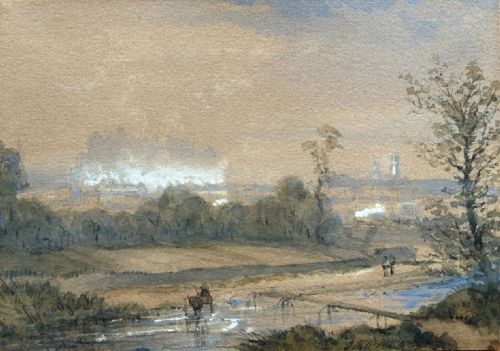
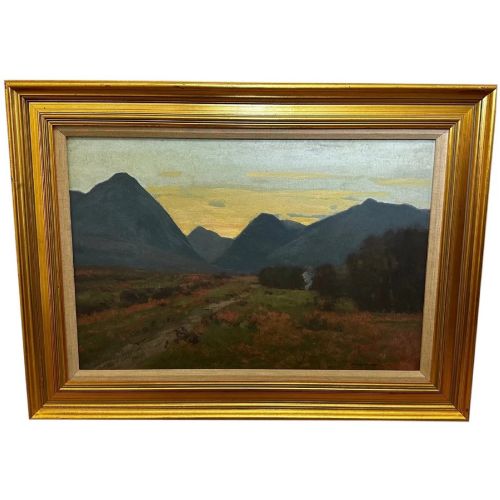
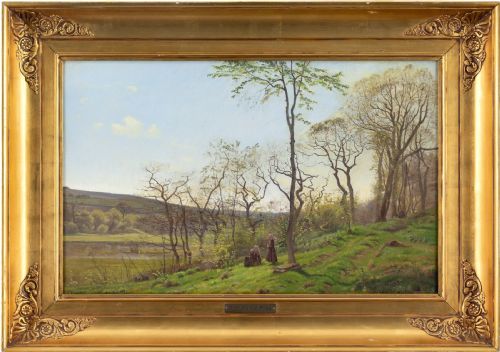
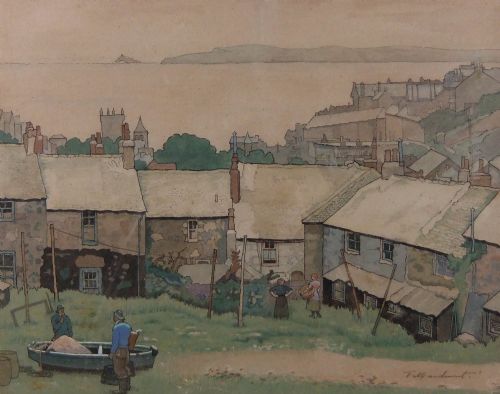
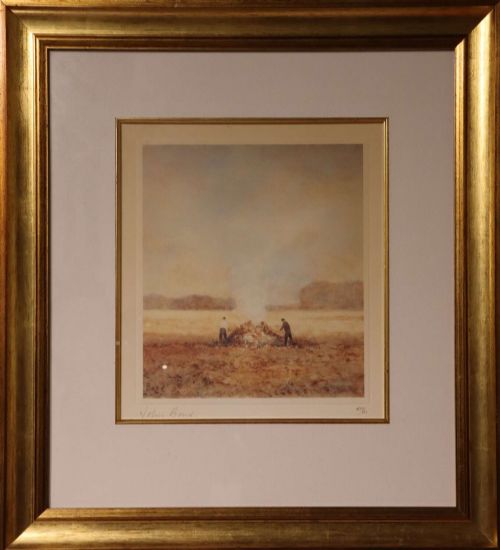
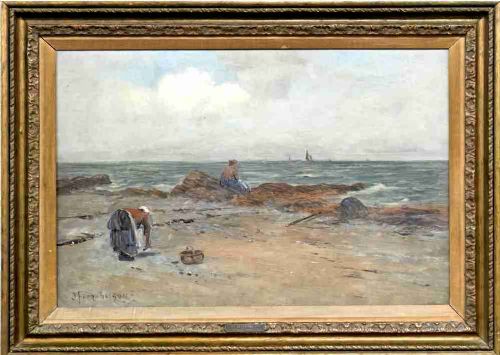
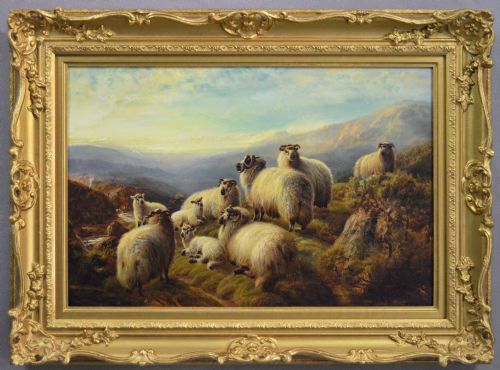
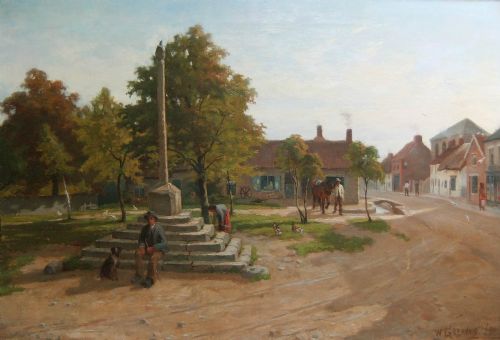
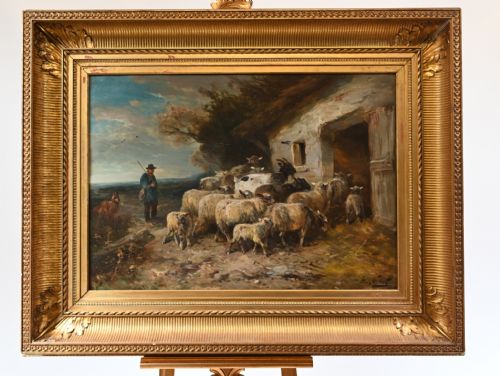
A fine art landscape picture encompasses painted and drawn depictions of natural scenery, rural tracks, and coastal views. These works capture the changing light of the countryside, pastoral scenes with livestock, and views of rivers and woodlands.
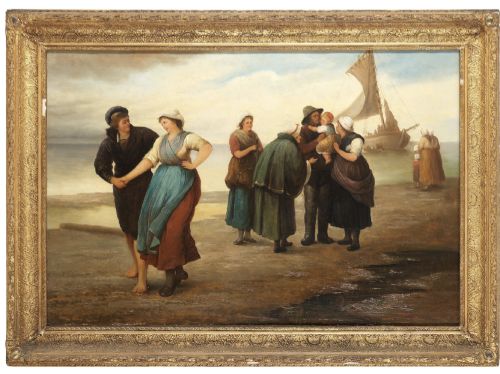
Buyers browsing this selection will most frequently encounter nineteenth-century oil paintings on canvas and framed watercolours. Examples range from British and Scottish regional scenes to continental European landscapes executed by named artists.
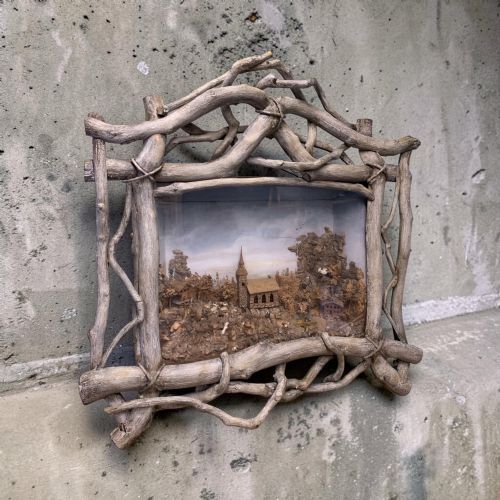
The category extends beyond standard canvases to include period needlework pictures, lithographs, and framed cork dioramas with twig frames. These diverse objects reflect evolving artistic interpretations of the natural environment across the Victorian and Edwardian eras.
Materials and technique
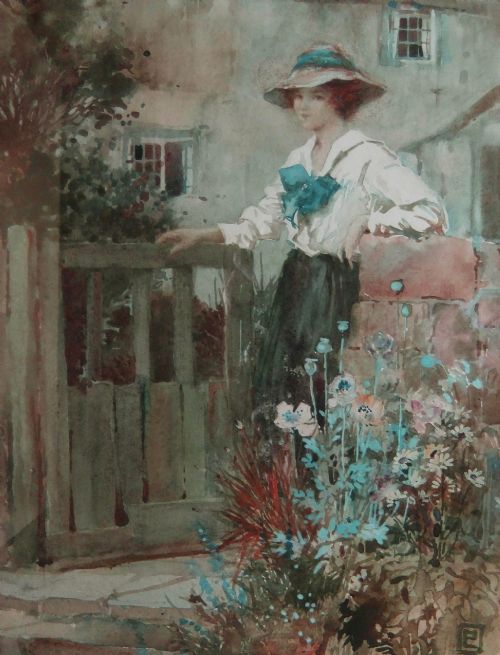
Artists executed these works primarily using oil paint on canvas or board, alongside delicate watercolours applied to paper. Painters built up their compositions with varied brushwork, capturing texture in foliage, water, and skies.
Many of these works retain their original period frames constructed from wood, gesso, and giltwood. These surrounds often feature decorative mouldings that complement the depth and tone of the pictorial art within.
One exceptional nineteenth-century piece combines fine art with botany by framing a detailed diorama entirely out of cork and twigs.
Judging quality and execution
Quality in a fine art landscape picture relies upon the surety of the draughtsmanship and the artist's handling of light and atmospheric perspective. Superior examples demonstrate a confident control of tone, giving depth to distant hills, water, and foliage.
The integrity of the original materials also distinguishes better works, particularly the preservation of the pigment layer on canvas or the crispness of detail in a watercolour. Original period frames that match the age and scale of the artwork further elevate the piece.
George Houston·Thomas Maidment·Joseph Farquharson·Henry Schouten·Cornelius Pearson
The Fine Art Landscape Picture Glossary
- Oil on Canvas
- A painting technique where pigmented oil paints are applied to a stretched woven fabric support. This medium allowed artists to achieve rich colour depth and subtle blending.
- Watercolour
- A painting method where fine pigment is suspended in a water-based solution and applied to paper. It yields translucent washes of colour suited to capturing light and weather.
- Giltwood
- Wood that has been coated with a thin layer of gold leaf or gold paint. It was frequently used for ornate Victorian and Edwardian picture frames.
- Gesso
- A plaster-like preparation mixture used to coat wood frames before gilding or painting. It provides a smooth surface for detailed moulding.
- Lithograph
- A printmaking process based on the chemical repulsion of oil and water. It enabled the faithful reproduction of tonal landscape artwork on paper.
Fine Art Landscape Picture: Frequently Asked Questions
What periods do these landscapes span?
The works primarily date from the nineteenth and early twentieth centuries, capturing Victorian and Edwardian aesthetic movements. Pieces range from mid-century watercolours to later impressionist oils.
Collectors will also encounter occasional eighteenth-century needlework pictures and mid-twentieth-century prints. Each era brings distinct techniques and subject matter to the genre.
How should I display a canvas?
Oil paintings on canvas require stable indoor environments away from direct sunlight and damp conditions. Proper wall placement protects both the pigment and the wooden stretcher frame from warping.
Original giltwood frames should be dusted gently with a soft dry brush. Avoid using liquid cleaners or abrasive cloths on antique gilding.
Are watercolours sensitive to light?
Watercolours on paper are susceptible to fading when exposed to strong, direct sunlight for extended periods. Displaying them away from south-facing windows preserves the original pigments.
Glazing helps protect the paper surface from atmospheric dust and moisture. Ensure the framing uses conservation-grade materials where possible.
What subjects are most common?
Rural scenes featuring sheep, cattle, and agricultural workers appear frequently across the nineteenth-century works. Coastal views, river estuaries, and woodland tracks are also standard pastoral motifs.
Topographical views of specific regions in Britain and Europe provide geographical context. Many works document recognisable locations from Scotland, Wales, and English counties.