
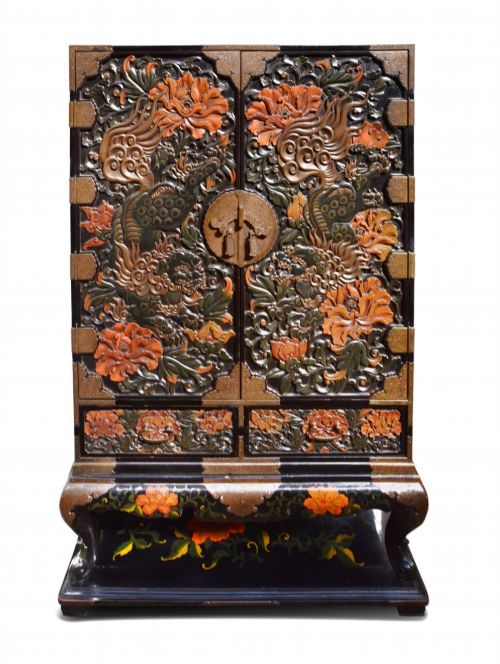


Lacquered Japanese Cabinet
These pieces of lacquered japanese cabinet bring centuries of skilled craftsmanship into a room through deep black and red finishes and intricate panel work.
Lacquered Japanese Cabinet
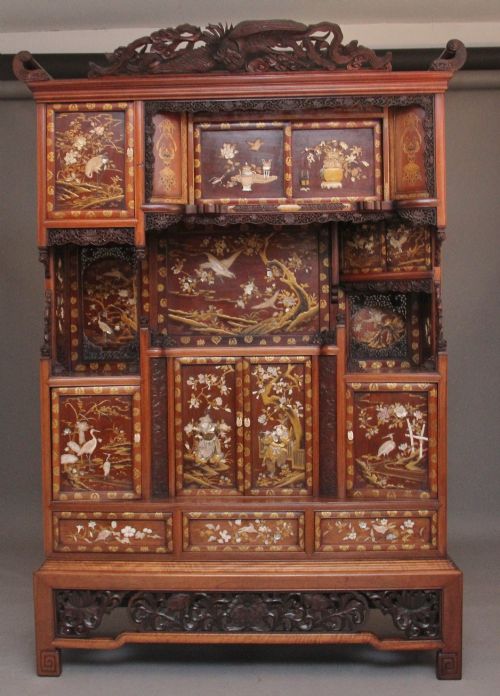
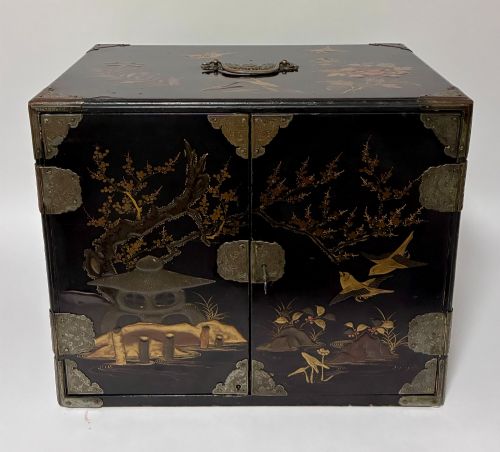
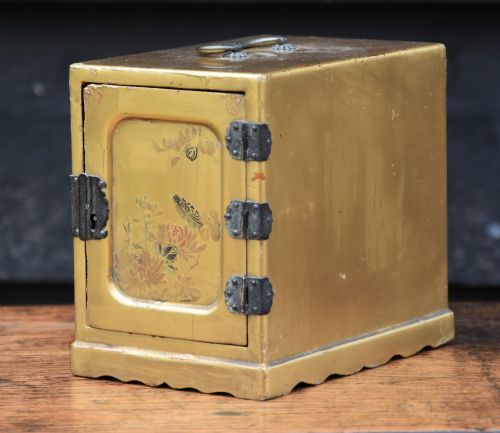
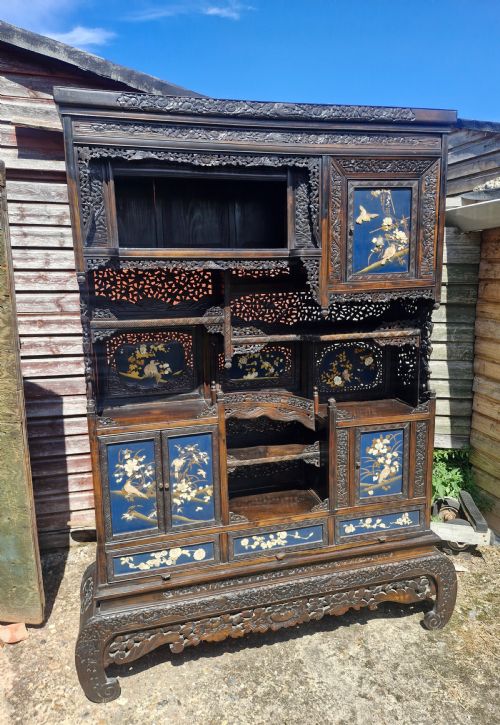
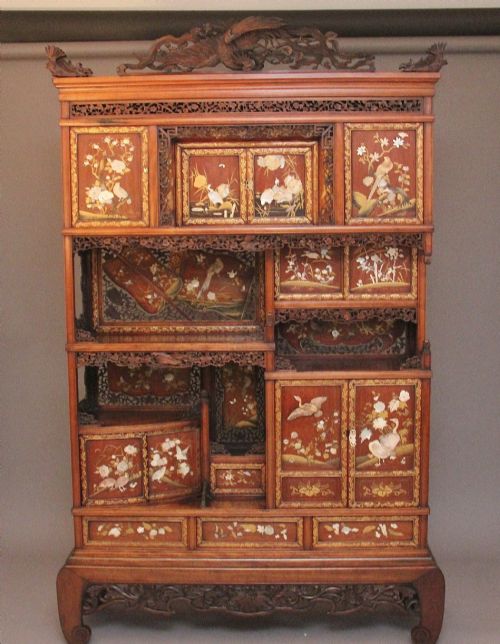
A lacquered japanese cabinet brings together centuries of eastern craftsmanship and western interior taste, taking forms from small table chests to large display units on stands. When searching for this phrase, collectors encounter pieces ranging from compact kodansu boxes to grand Meiji period shodana cabinets with numerous compartments and shelves.
The material evidence spans several centuries, with the nineteenth century producing a high concentration of Meiji period works alongside later twentieth century interpretations and Chinoiserie revivals. Makers utilised native timbers such as kiri wood, applying layers of lacquer to create smooth surfaces ready for gold leaf and inlaid decoration.
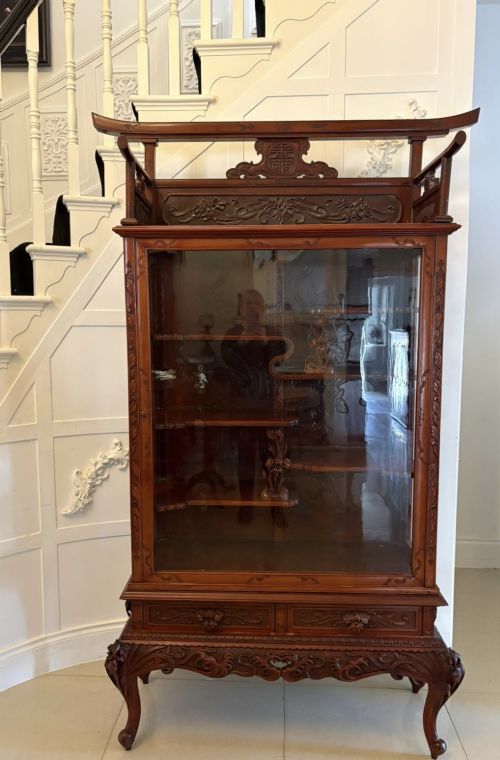
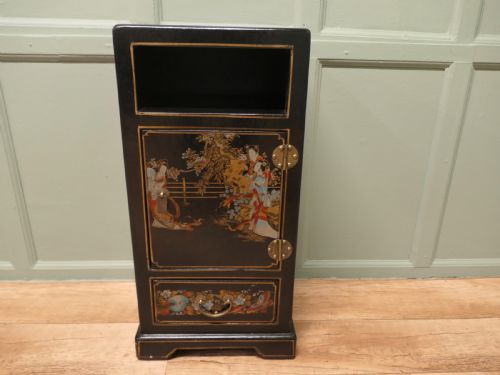
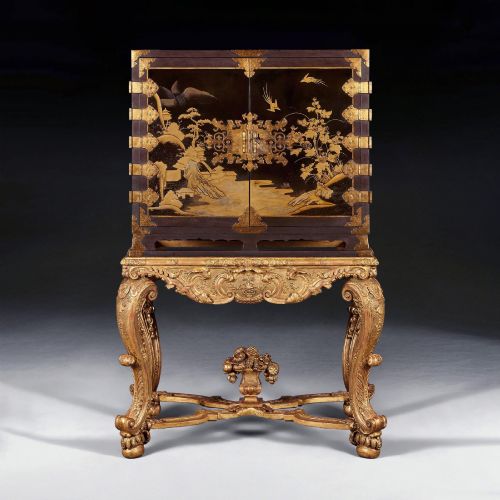
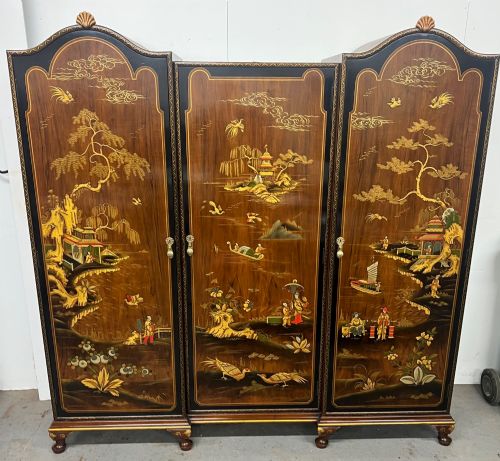
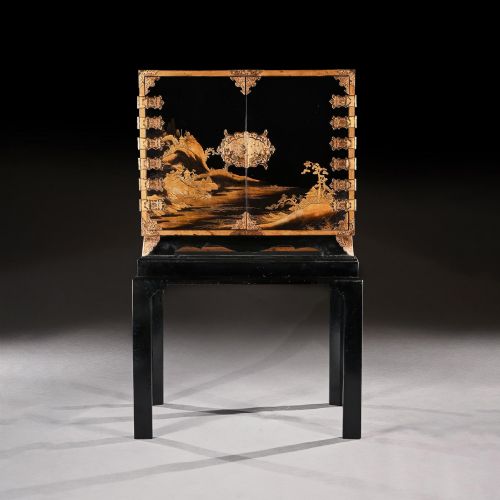
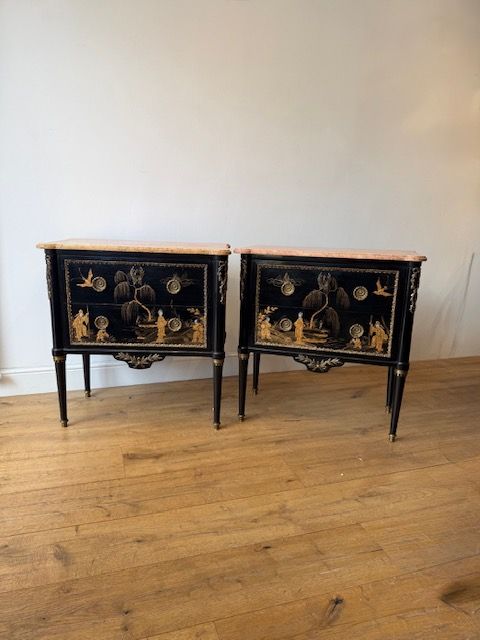
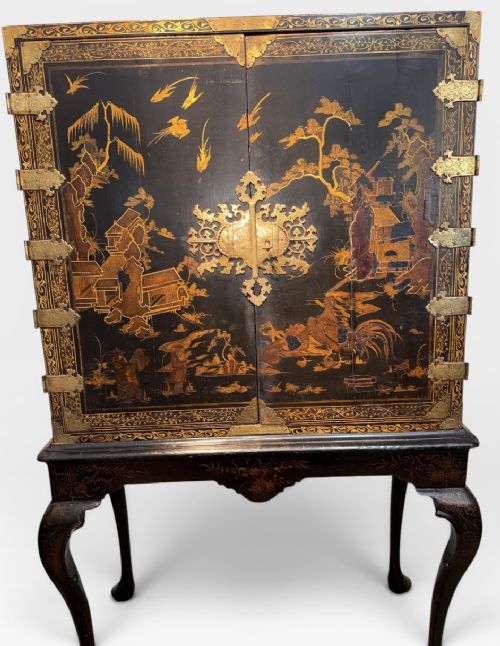
Many examples sit upon carved wooden stands, some European in origin such as French Regence frames, which elevate the principal chest to display height. Smaller table cabinets and writing boxes provide intimate storage, while larger wardrobes and side cabinets serve functional roles in contemporary domestic settings.
How they were made
Makers built the foundational carcass from hardwoods, softwoods like kiri wood, and dense panels before applying successive coats of natural lacquer to achieve a durable, glossy surface. This protective medium allowed artisans to carve intricate relief patterns or polish the finish to a mirror-like depth.
Decoration relied on the integration of contrasting materials pressed into the wet or built-up lacquer, including gold leaf, mother of pearl, bone, and iron mountings. Artisans also employed Shibayama techniques, setting delicate shell and ivory inlays into carved wooden panels to depict figures, flora, and fauna.
Metal fittings such as brass hinges, corner plates, and drawer pulls provided structural reinforcement while adding decorative contrast to the black and red lacquer grounds. Carved wooden stands, whether Japanese or European in taste, were joined to the main body to complete the elevated cabinet form.
Miniature pagoda cabinets allowed Meiji craftsmen to construct entire multi-tiered architectural wonders small enough to sit on a gentleman's writing desk.
What varies in quality
The depth of the lacquer finish and the precision of the polishing set baseline standards, where superior examples display a flawless, deep lustre free from excessive cracking or heavy restoration. Artisans who applied numerous painstaking layers achieved a tactile richness that lesser production pieces simply lack.
The intricacy and execution of the decorative elements dictate the upper tier of the market, particularly in pieces featuring detailed Shibayama inlays, carved cinnabar panels, or dense gold leaf work. Hand-carved mounts and mounts cast in solid brass outclass stamped metal alternatives found on commercial export items.
Structural integrity and the retention of original stands determine the desirability of larger cabinets, especially where seventeenth or eighteenth-century pieces meet period European frames. Original interior drawer configurations and matching hardware preserve the historical unity of the object.
Maples and Co·Beurdeley
The Lacquered Japanese Cabinet Glossary
- Kodansu
- A small Japanese table cabinet featuring multiple internal drawers and compartments for holding documents or valuables. These portable chests often showcase exceptional decorative lacquer and metal fittings.
- Shodana
- A traditional Japanese display cabinet characterised by an asymmetrical arrangement of shelves, sliding doors, and cupboards. They became prominent export items during the Meiji period.
- Shibayama
- A decorative technique involving the inlay of precious materials like mother of pearl, ivory, and bone into a lacquered surface to form pictorial scenes. The style takes its name from the artisan family who originated the method.
- Tansu
- A traditional Japanese mobile chest of drawers built primarily for storage and transport in domestic interiors. They frequently utilise sturdy native woods like kiri and feature robust iron hardware.
- Regence
- A French decorative style bridging the Louis XIV and Rococo periods, noted for curved lines and giltwood mounts. Cabinets from earlier centuries were sometimes mounted onto these distinctive stands by European collectors.
Lacquered Japanese Cabinet: Frequently Asked Questions
How do I use a table cabinet today?
These compact chests suit tabletops or sideboards where they store small personal items, jewellery, or stationery. Their intricate doors and drawers provide a striking focal point in a modern study or living room.
Position them away from direct sunlight and excessive heat fluctuations to protect the delicate lacquer finish and organic inlays from drying out over time.
What is the difference between Meiji and Edo periods?
Edo period pieces date from an era of strict national seclusion, resulting in traditional designs intended primarily for domestic Japanese use. Meiji period works reflect the reopening of trade, featuring more elaborate decorative schemes tailored for international export markets.
Meiji items frequently display complex Shibayama inlays and varied architectural forms like shodana display units, whereas earlier Edo examples tend towards restraint.
How do I care for antique lacquer?
Dust the surface gently with a soft, dry microfibre cloth, avoiding any chemical sprays, polishes, or abrasive cleaners. Maintaining stable indoor humidity levels prevents the wood beneath from expanding and causing the lacquer to craze.
Handle brass hardware and inlaid panels with care, lifting the cabinet by its main structure rather than decorative protruding elements or handles.
Why are some cabinets on stands?
Larger storage chests and cupboards were raised on dedicated stands to bring the lower compartments to a comfortable viewing and operating height. European collectors also commissioned custom giltwood stands, such as Regence frames, to integrate eastern lacquer into grand western interiors.
These stands transform a floor-bound box into an architectural display piece that commands presence in a room.