



Kutani Porcelain Figure
These kutani porcelain figure examples bring Meiji period ceramic art and traditional deities straight to a cabinet.
Kutani Porcelain Figure
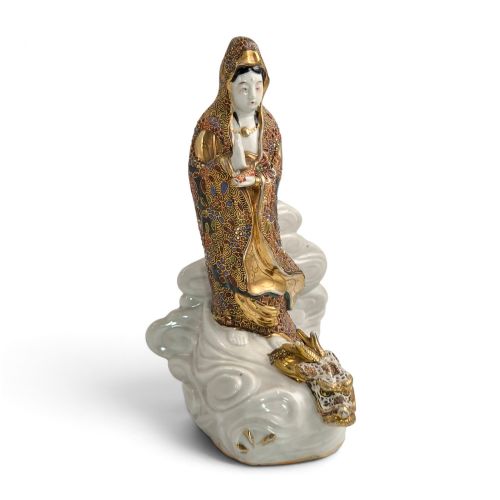
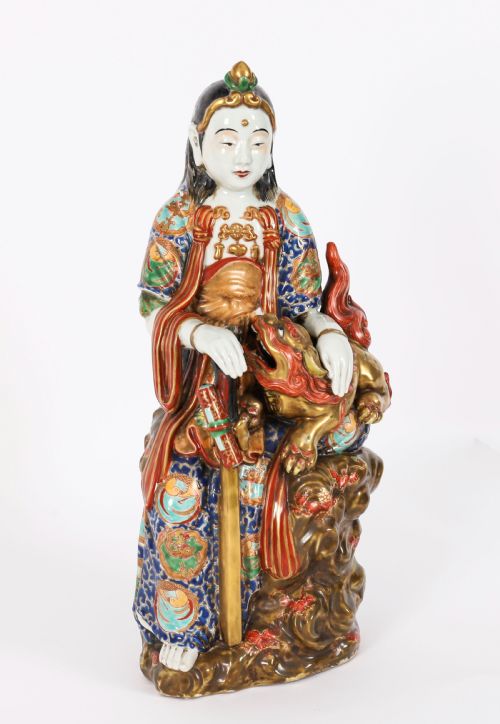
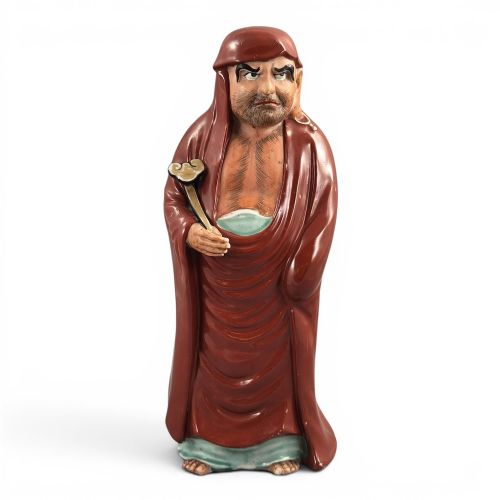
A kutani porcelain figure is a ceramic sculpture originating from Japan, commonly depicting deities, mythological figures, or traditional subjects. The examples on this page primarily date from the nineteenth century through to the Edwardian era, spanning the Meiji and Taisho periods.
Buyers encounter subjects such as Guanyin, Daruma, Jurojin, and Buddhist lions alongside figures of monks and geisha. These pieces range from standalone sculptures and okimono to figures paired with cylindrical vases.
How they were made
Makers shaped these items from porcelain, applying polychrome enamel and glaze to achieve detailed surface decoration. Many examples incorporate gold leaf, gilt, and gilding to highlight garments and decorative borders.
Kutani Porcelain Figure Retail Price Guide 2026
Typical asking prices for kutani porcelain figure among the pieces listed under this phrase on Sellingantiques today, from the lower quarter to the upper quarter. They describe what is for sale here now, not the wider market.
Listings feature porcelain pieces spanning the nineteenth century, the Edwardian era, and the Meiji and Taisho periods.
What varies in quality
Quality rests in the precision of the hand painting and the crispness of the moulded porcelain form. Finer pieces display controlled application of enamel and gold leaf rather than heavy or hurried brushwork.
The complexity of the subject also shapes the standard, with multi-figure groupings and intricate sculptural details requiring greater technical skill than simpler single-form statues.
The Kutani Porcelain Figure Glossary
- Kutani
- A style of Japanese porcelain traditionally characterised by vibrant polychrome enamel painting and gilding. Production spans several centuries with distinct revivals during the Meiji period.
- Okimono
- A Japanese display piece or decorative object designed for placement in a tokonoma alcove or on a shelf. These sculptures range from figures of deities to animals.
- Moriage
- A ceramic technique where slip is piped onto the unglazed or glazed surface in dots or lines to create a raised, textured decoration. This method is frequently highlighted with gilding.
- Shishi
- A mythical guardian lion or dog common in Buddhist iconography and Japanese decorative arts. They are often depicted seated with one paw resting on a brocade ball.
- Bijin
- A traditional Japanese representation of a beautiful woman, often shown wearing elaborate robes and holding musical instruments or accessories.
Kutani Porcelain Figure: Frequently Asked Questions
How do I identify a Meiji period figure?
Meiji period figures are generally distinguished by dense polychrome enamel painting, extensive use of gilding, and dynamic subject matter reflecting late nineteenth century craftsmanship. Makers during this era produced both intricate okimono and larger devotional sculptures.
Examining the base and the weight of the porcelain helps align a piece with nineteenth century production methods and material standards typical of the workshops.
What deities are typically represented?
Common subjects include Kannon or Guanyin as the Goddess of Mercy, Jurojin as the God of Longevity, and Daruma representing Bodhidharma. Figures of monks and mythical guardians like the shishi also appear frequently.
These subjects carry specific cultural and spiritual meanings rooted in Buddhist and Taoist traditions prevalent in Japan.
Where should I display a porcelain sculpture?
These figures suit stable surfaces away from direct sunlight and high traffic areas to protect the delicate enamel and gold leaf decorations. Placing them on a dedicated cabinet or shelf allows proper appreciation of the hand-painted details.
Ensure the support is level, as heavier ceramic okimono and sculptural groupings require a secure base.
How should I clean my figure?
Dust the surface gently with a soft, dry brush to remove particles without disturbing the enamel or gilt highlights. Avoid using water, chemical cleaners, or abrasive cloths that can damage the painted finish.
Regular, gentle maintenance preserves the surface integrity of the porcelain over time.