






Knopped Stem Wine Glass
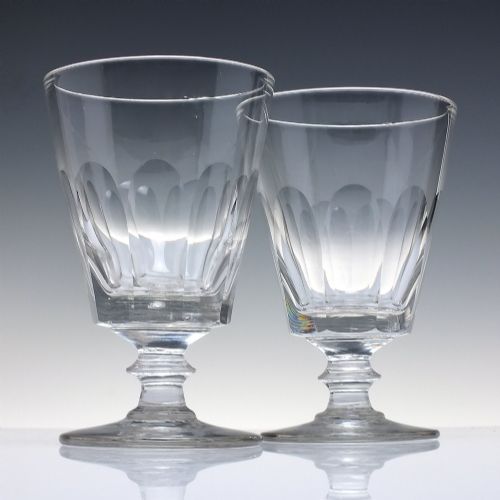
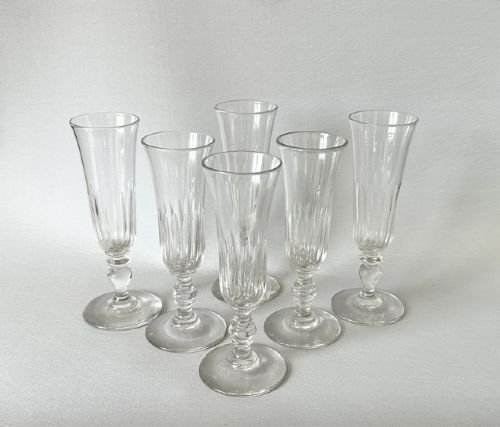
These knopped stem wine glass examples span centuries of master glassmaking, offering tactile balance and historical character to any table.
Knopped Stem Wine Glass
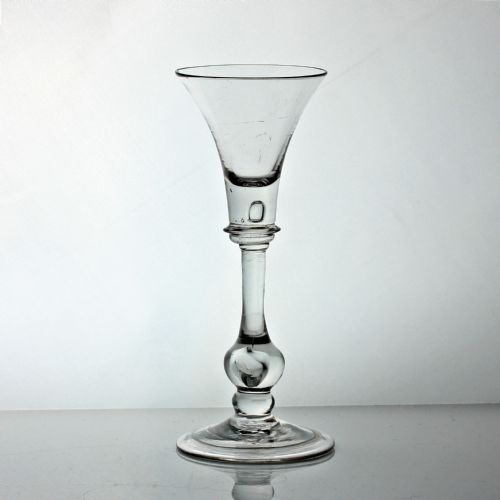
A knopped stem wine glass is defined by the prominent swelling nodes, or knops, positioned along its stem, designed to provide a secure and pleasing grip. When you search for this phrase, you encounter vessels primarily originating from the eighteenth century alongside later revival periods.
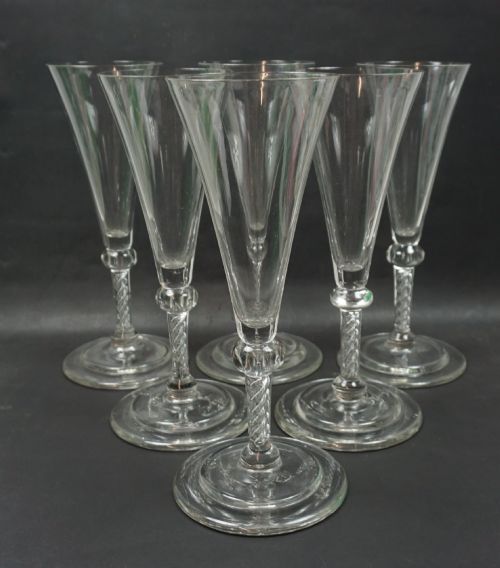
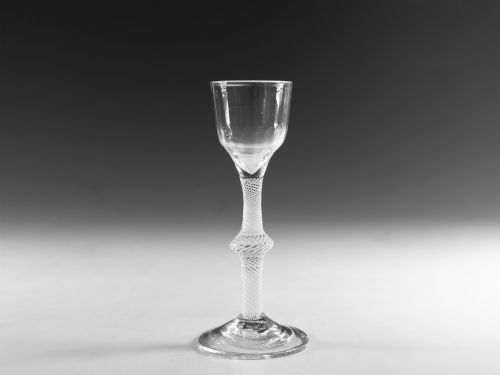
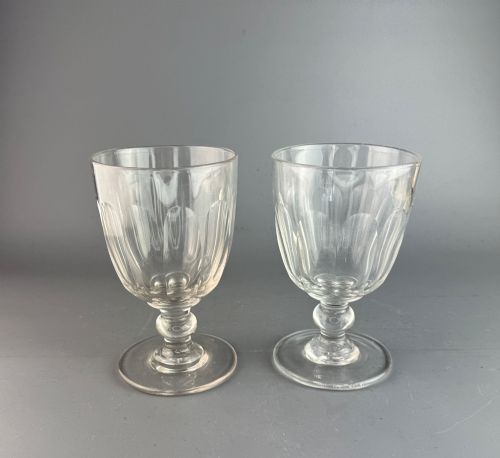
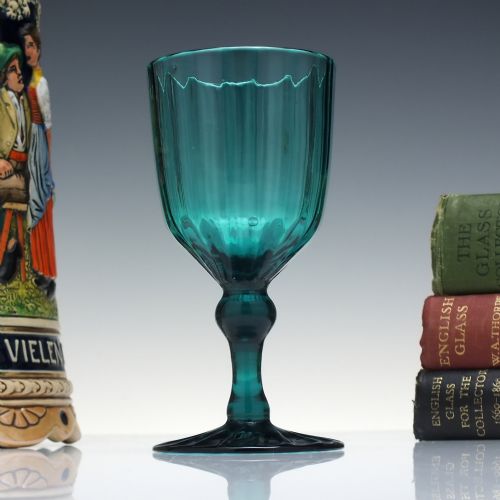
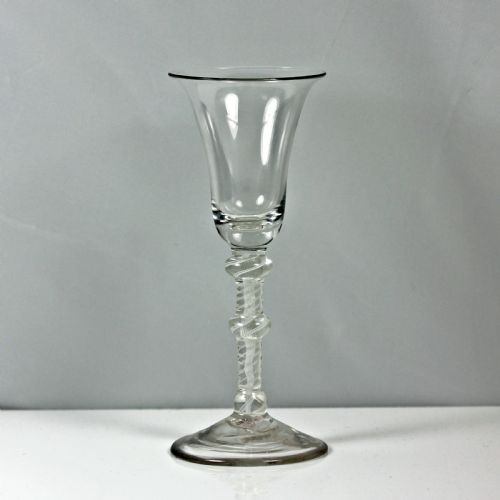
The eighteenth-century examples form the cornerstone of this selection, frequently displaying baluster, balustroid or air twist formations with single or multiple knops. Later Victorian interpretations also appear, often rendered in bold green hues or substantial cut glass.
The forms range from compact drinking vessels to tall goblets and champagne flutes, reflecting shifts in dining fashions across Georgian, Victorian and Edwardian eras. Buyers encounter both single collector pieces and matched sets suitable for display or careful occasional use.
Assessing Quality
Quality rests in the harmony of proportion between the bowl, the knopped stem and the foot, alongside the crispness of any engraved or moulded detail. Superior eighteenth-century specimens display an unclouded metal with a resonant ring, where the knops are symmetrically formed rather than heavy or lopsided.
The complexity of the stem construction dictates the upper tier of the range, particularly where multiple knops combine with air twists or opaque enamel threads. Simpler moulded vessels or later commercial production represent a sturdier, more uniform standard without the hand-drawn individuality of earlier studio work.
Knopped Stem Wine Glass Retail Price Guide 2026
Typical asking prices for knopped stem wine glass among the pieces listed under this phrase on Sellingantiques today, from the lower quarter to the upper quarter. They describe what is for sale here now, not the wider market.
Elegance comes with a hefty constitution: one documented Georgian piece weighs nearly two hundred and fifty grams.
The Knopped Stem Wine Glass Glossary
- Knop
- A protruding swelling or node on the stem of a glass, shaped to improve the grip and add decorative weight. Multiple knops can be stacked in sequence.
- Baluster
- A heavy, thick stem form derived from architectural pillars, common in early eighteenth-century drinking vessels. These often feature prominent central knops.
- Air Twist
- A decorative stem formation containing a continuous spiral of elongated air bubbles trapped inside the molten metal. This requires immense skill from the glassblower.
- Opaque Twist
- A stem enclosing fine white enamel threads twisted into a spiral or lace pattern inside clear lead glass. It dates predominantly to the mid-eighteenth century.
- Rummer
- A large, sturdy drinking glass with a short stem and a round bowl, popular during the Georgian and Victorian periods for ale or wine.
- Liege
- A regional style of glass originating from the Belgian city, frequently characterised by moulded ribs or honeycomb patterns on the bowl.
Knopped Stem Wine Glass: Frequently Asked Questions
How do I date a glass?
Dating relies on observing the combination of bowl shape, pontil mark type, metal composition and stem formation. Eighteenth-century pieces typically exhibit hand-drawn stems and rough snapped pontils.
Later Victorian and Edwardian pieces often display heavier mould lines, brighter uniform colours, or flat-bottomed polished pontil scars.
Are these glasses safe for wine?
Many collectors use eighteenth and nineteenth-century glass for special occasions, provided they receive careful hand washing. Lead glass is stable for holding wine during a meal.
Thermal shock and modern dishwashers pose the greatest risk, so gentle cleaning in warm water preserves the historic metal.
Why are some stems twisted?
Makers twisted the molten glass rod before drawing and forming the stem to trap air channels or white enamel threads inside the clear metal. This created mesmerizing optical effects as light passed through the glass.
Air twists and opaque twists became hallmarks of mid-eighteenth-century English glasshouse production.