


Kingwood Bedside Tables
Kingwood bedside tables are elegant French revival pieces finished in rich wood veneers and marble, offering refined storage for the bedroom.

What kingwood bedside tables are
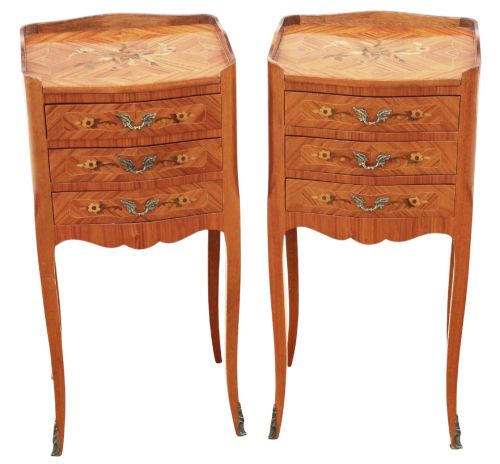
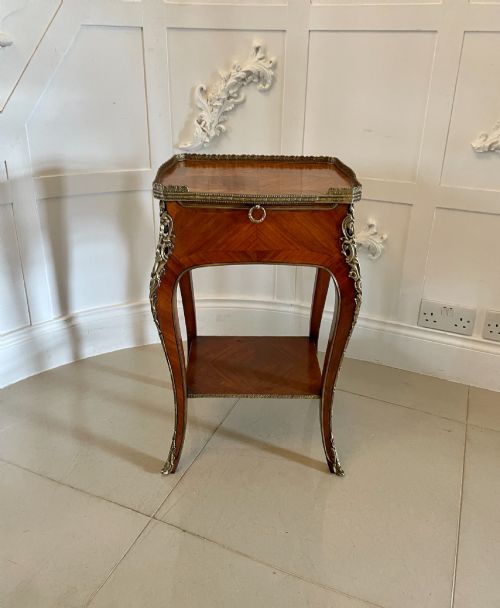
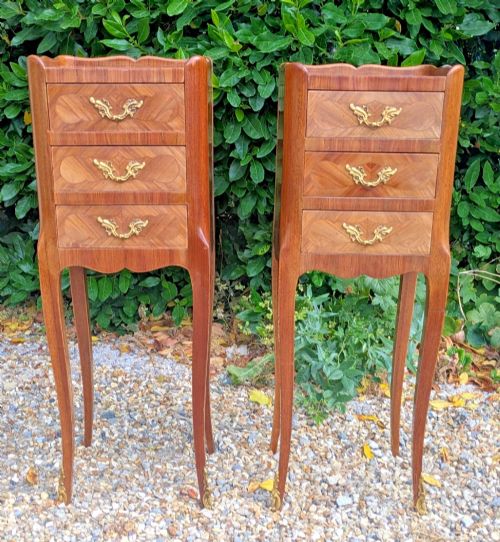
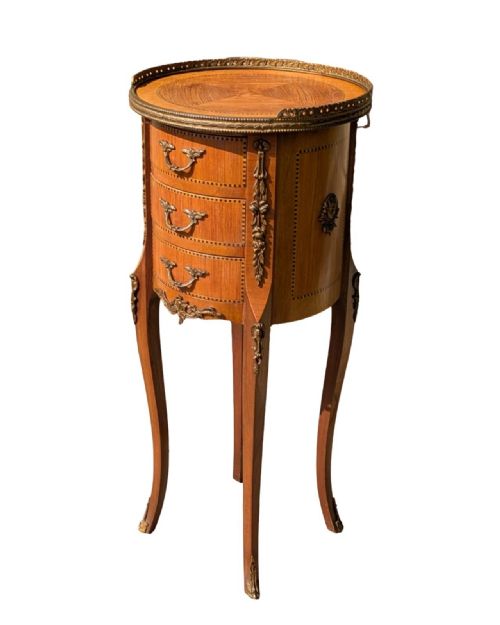
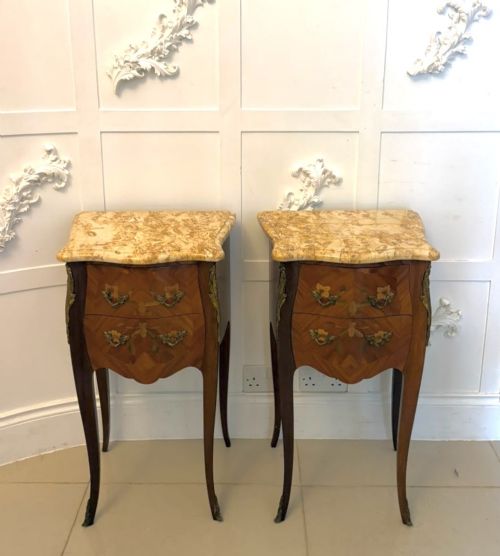
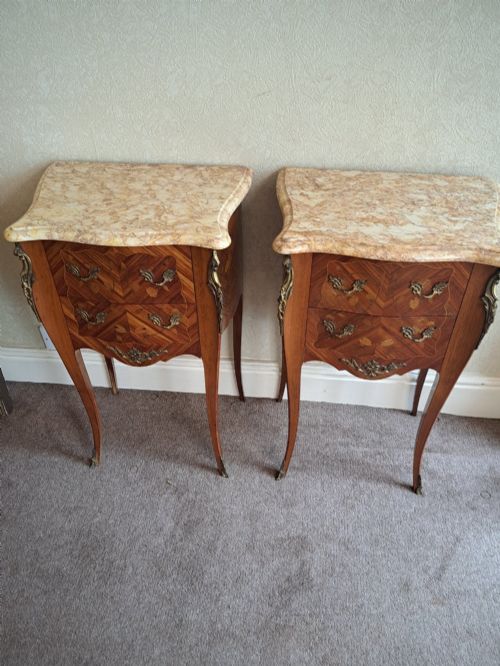
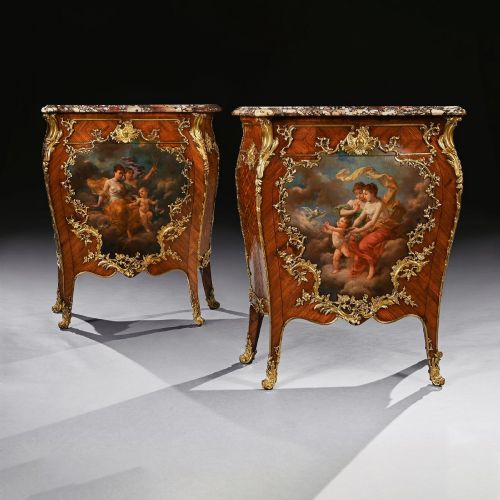
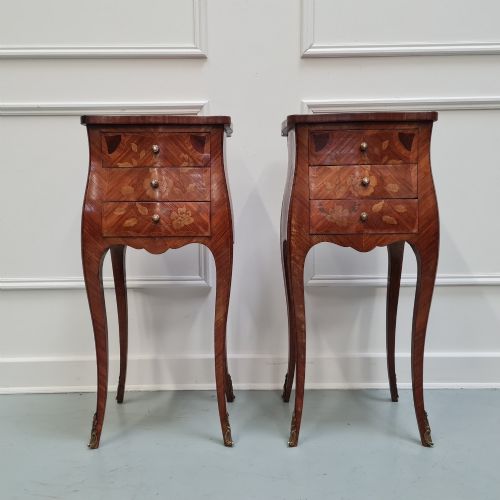
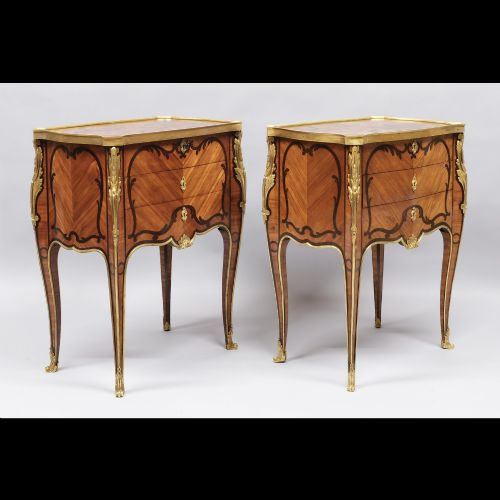
Kingwood bedside tables emerge predominantly in French Louis XV revival styles, frequently appearing as pairs dating from the early twentieth century around 1900 to 1930. These pieces function as bedside cabinets, commodes, and lamp tables, combining decorative marquetry with practical surface space.
The forms rely heavily on cabriole legs and serpentine fronts that echo eighteenth-century Rococo design. Surviving examples demonstrate a strong preference for matching pairs intended to flank a bed symmetrically.
How they were made
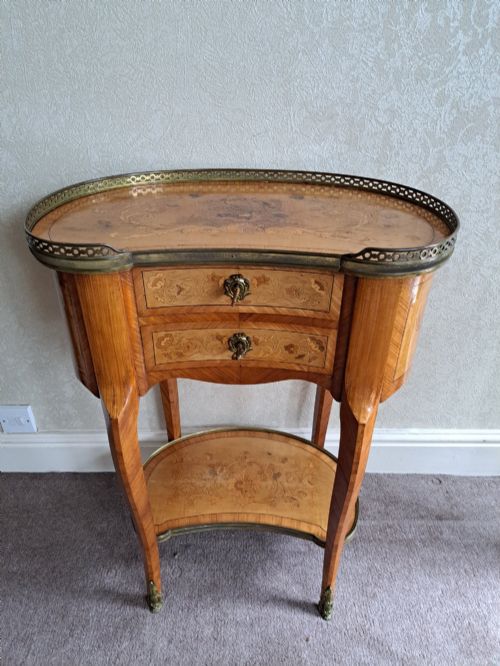
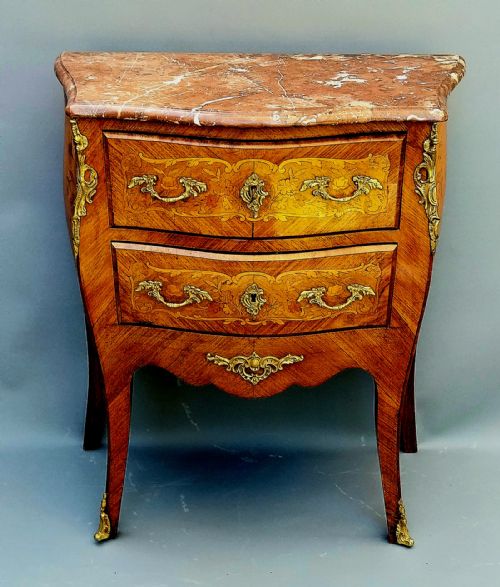
Cabinet makers applied figured kingwood veneers over a sturdy timber carcase, often arranging grain patterns in geometric marquetry or parquetry designs. Tops were frequently fitted with shaped marble slabs, sometimes framed by wooden borders.
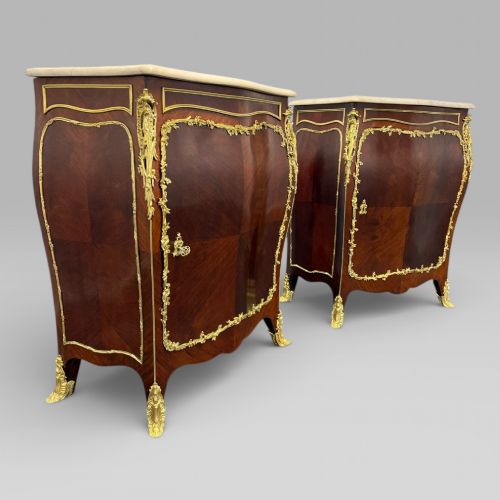
Mounts in ormolu, gilt bronze, and brass were cast and chased then fixed to corners, handles, and apron centres to accent the contours of the carcase.
Retail Price Guide 2026
Typical UK retail prices for kingwood bedside tables, calculated from the Sellingantiques database of over a million retail prices indexed since 2003. This retail price guide relies exclusively on Sellingantiques data; no external sources or auction records are used, so the figures do not describe the wider market.
The site records show kingwood bedside tables spanning three distinct decades: 1900, 1920, and 1930.
What varies in quality
Quality rests in the crispness of the bronze or ormolu mounts and the precision of the marquetry inlay across the drawer fronts and sides. Finer examples display heavier gauge metalwork and more complex floral or geometric veneer patterns.
The selection of the marble top also distinguishes the grade, with thicker, richly figured slabs representing higher tier production.
Sormani·Gillows
The Kingwood Bedside Tables Glossary
- Kingwood
- A dense, hard tropical timber prized for its distinctive violet-brown colour and dark contrasting grain stripes. It was widely used by continental cabinet makers for decorative veneer work.
- Ormolu
- Gilded bronze mounts applied to furniture to highlight corners, feet, and drawer pulls. The technique involves coating cast bronze with a mercury and gold amalgam before heating.
- Marquetry
- The art of applying small pieces of wood veneer to a structure to form decorative patterns or pictorial designs. Makers utilised contrasting timbers like rosewood and cherry alongside kingwood.
- Louis XV Style
- A decorative aesthetic reviving the flowing, asymmetrical curves and natural motifs of the French Rococo period. It is characterised by cabriole legs and serpentine contours.
Frequently Asked Questions
Are kingwood bedside tables usually sold in pairs?
Most surviving examples appear as matching pairs intended for placement on either side of a bed.
Single pieces do occur in the records, but symmetric pairs remain the dominant format for these French revival cabinets.
What periods do these bedside tables date from?
The recorded pieces date from the early twentieth century, spanning the decades around 1900, 1920, and 1930.
They draw heavily on eighteenth-century French Louis XV design motifs rather than originating from the actual reign of that monarch.
What materials are combined with kingwood on these tables?
Cabinets frequently incorporate marble tops, often in shades of white or variegated stone, set into the wooden frame.
Ormolu, gilt bronze, and brass mounts appear extensively alongside secondary veneers like rosewood and cherry.
How do commodes differ from standard bedside cabinets?
Commodes generally offer slightly wider proportions and deeper drawer capacity while sharing the same decorative vocabulary of marquetry and mounts.
Both forms served similar functional roles in sophisticated bedroom interiors of the period.