



King Size Tester Bed
A king size tester bed brings serious architectural presence to a room, offering the grand scale of a traditional canopy frame paired with modern mattress proportions.
King Size Tester Bed
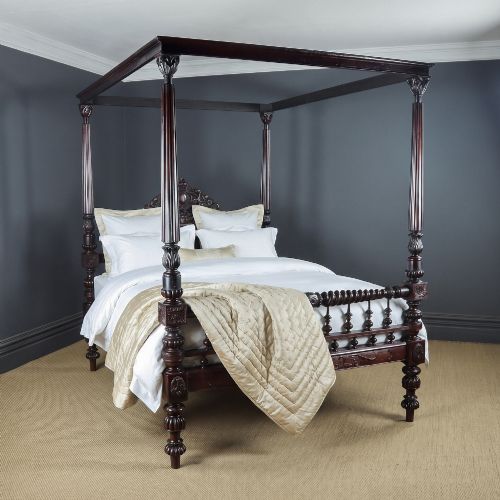
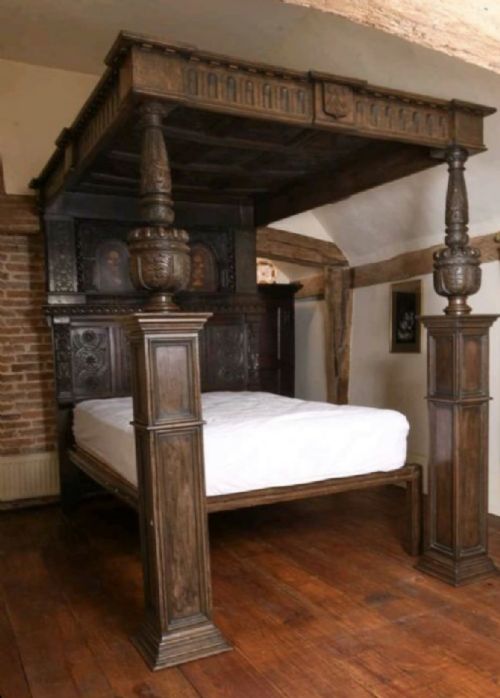
A king size tester bed combines substantial proportions with a projecting canopy, offering a commanding sleeping platform that anchors a large bedroom. These pieces appear primarily in Victorian iterations, alongside earlier seventeenth-century and eighteenth-century examples that set the standard for canopy construction.
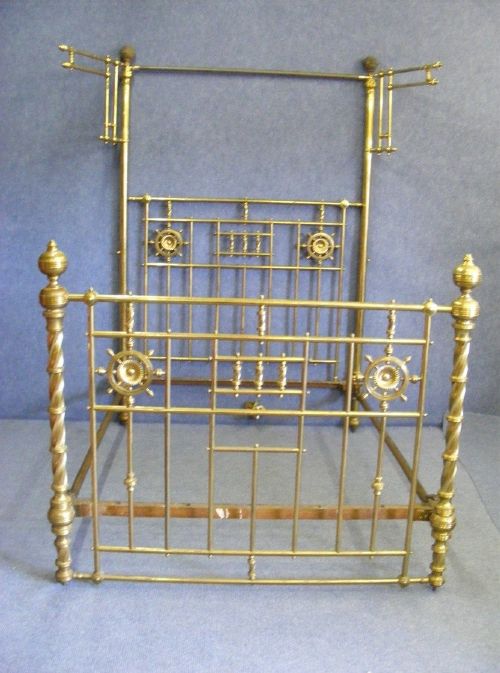
Makers produced these large frames using forms like the half tester and the full tester or four poster bedstead. The Victorian examples frequently utilise rich mahogany or gleaming brass, while earlier periods rely upon oak and teak.
Anglo-Indian colonial pieces from the nineteenth century bring distinct regional character to the category, often working with dense hardwoods like teak and mahogany. Buyers navigating this selection encounter both architectural wooden frames and luminous metal bedsteads built to generous scales.
Markers of Build and Design Quality
Quality separates ordinary bedframes from exhibition pieces through the depth of carved detail, the selection of timber veneers like flame mahogany, and the structural integrity of the brass or iron half tester canopy. Superior examples display crisp moulding work, well-proportioned turned posts, and heavy-gauge brass components that maintain rigidity over a large expanse.
The sophistication of the design execution determines the hierarchy of these beds, distinguishing standard commercial production from bespoke or exhibition pieces. Maker attribution, such as work by Winfield or Richardson of Hull, signals superior foundry or cabinetmaking standards.
Listings feature Victorian, 17th Century, and 18th Century periods, constructed from mahogany, brass, iron, oak, and teak.
RW Winfield·Richardson of Hull
The King Size Tester Bed Glossary
- Tester
- A wooden or fabric canopy projecting over the top of a bed, supported by the headboard and posts. It provides the defining architectural top to a four poster or half tester frame.
- Half Tester
- A canopy bed where the tester extends only partway over the mattress, supported by the headboard and two front posts. This form gained immense popularity during the Victorian era.
- Flame Mahogany
- Mahogany timber cut to reveal a flickering, flame-like grain pattern across the surface. Cabinetmakers prized this veneer for high-status furniture fronts.
- Anglo-Indian Colonial
- Furniture made in the Indian subcontinent during the British period, combining local timber traditions with European furniture forms. These pieces often feature dense hardwoods and deep carved ornamentation.
- Chippendale
- A style of eighteenth-century English furniture characterised by graceful proportions, carved details, and Gothic or Chinese influences. It set design benchmarks echoed in later revival pieces.
King Size Tester Bed: Frequently Asked Questions
Will a standard modern mattress fit these antique beds?
Many antique frames were built to historical dimensions rather than modern standardised mattress sizes. Buyers should check the internal width and length specifications of each individual bed.
Custom mattress manufacturing or minor frame adjustments may be necessary to ensure a secure fit for contemporary sleeping standards.
How do I assemble a heavy four poster bed?
These large frames typically use traditional knock-down joinery with bed bolts, iron brackets, or interlocking timber rails. Assembly requires at least two people to manage the weight of the heavy headboards, posts, and tester canopies.
Careful sequencing ensures the posts remain square before tightening the structural hardware.
How do I care for brass bed frames?
Brass components require gentle cleaning with a soft cloth to remove dust and preserve the protective lacquer or natural patina. Avoid harsh chemical polishes that strip historical surfaces.
Inspect structural joints periodically to ensure the metal components remain stable and secure under daily use.