


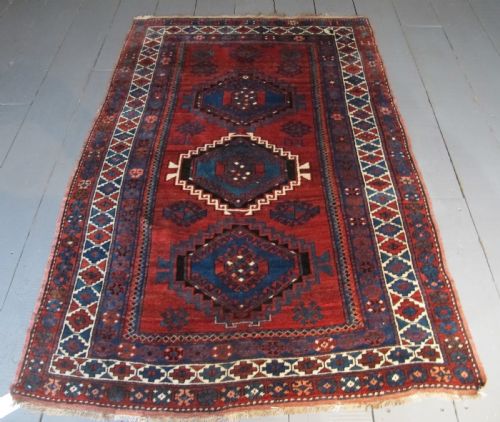
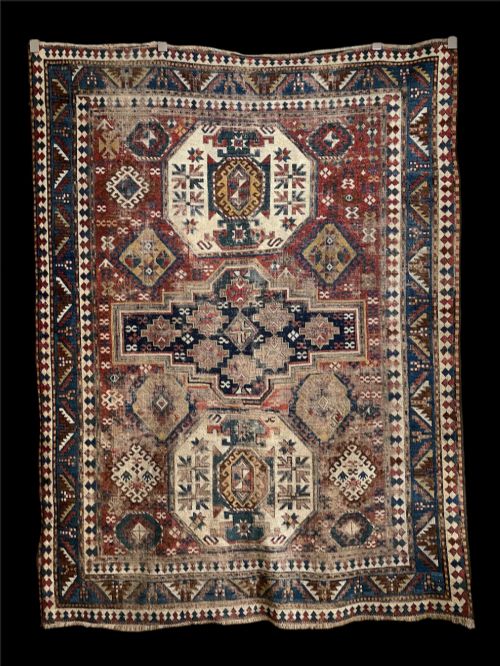


Kazak Wool Rug
A kazak wool rug brings the bold geometry and saturated natural dyes of the Caucasus directly to your floor.
Kazak Wool Rug
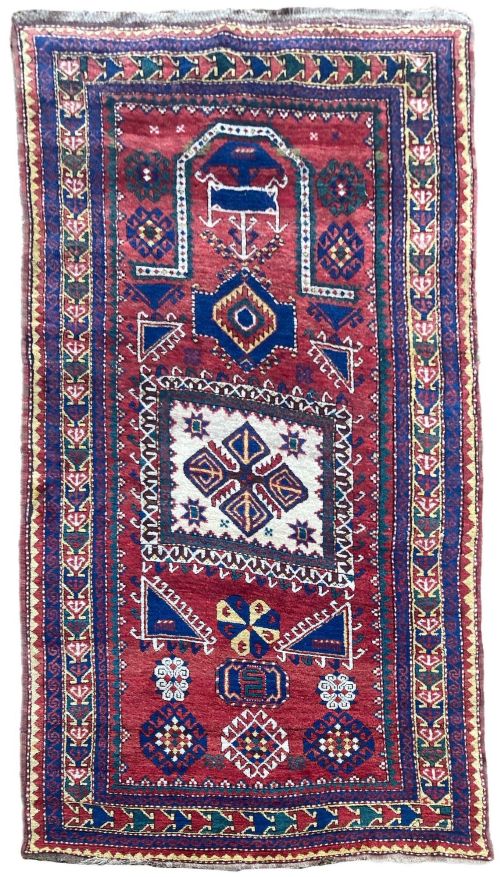
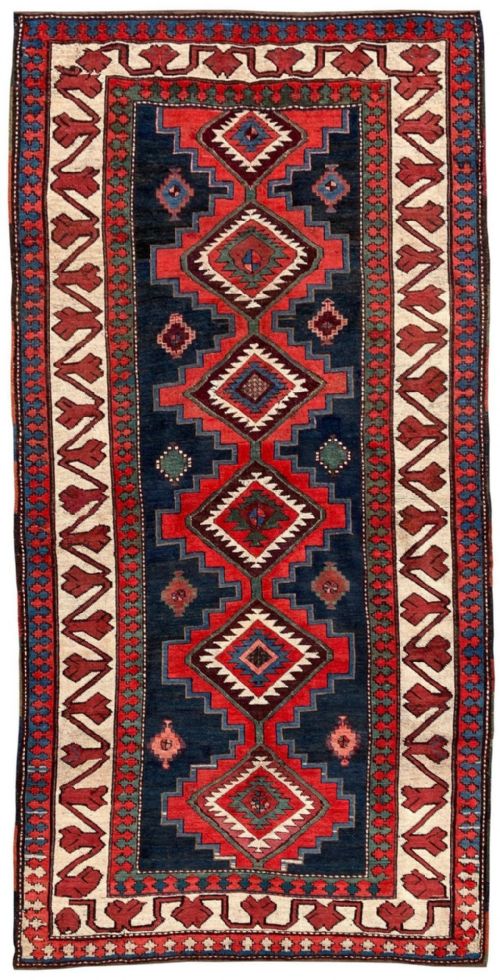
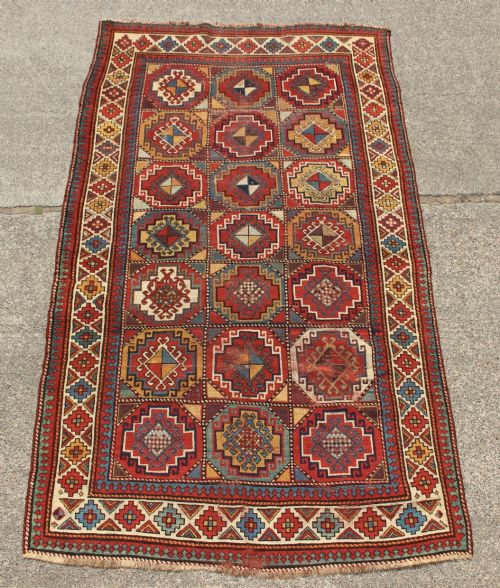
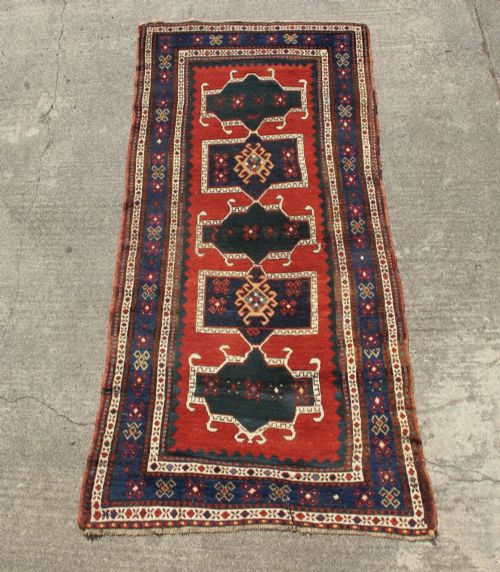
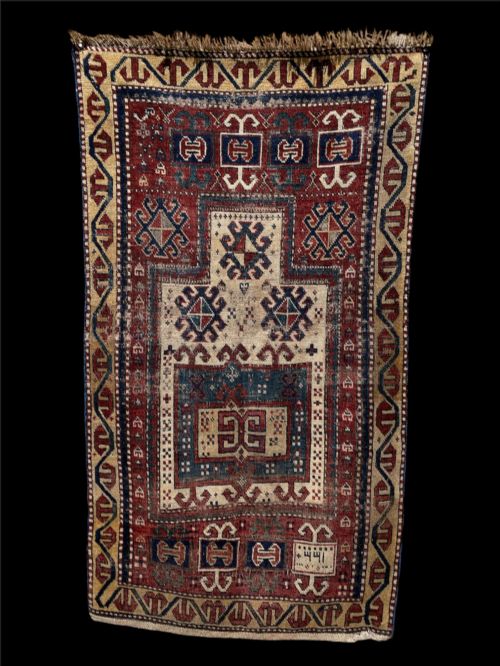
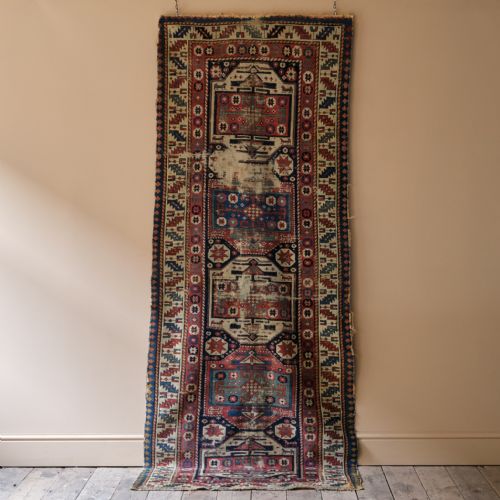
When you search for a kazak wool rug, you encounter hand-knotted tribal floor coverings originating from the Caucasus region during the nineteenth and early twentieth centuries. The pieces on this page span formats such as area rugs, prayer rugs, runners, and kilims, displaying traditional Caucasian styles.
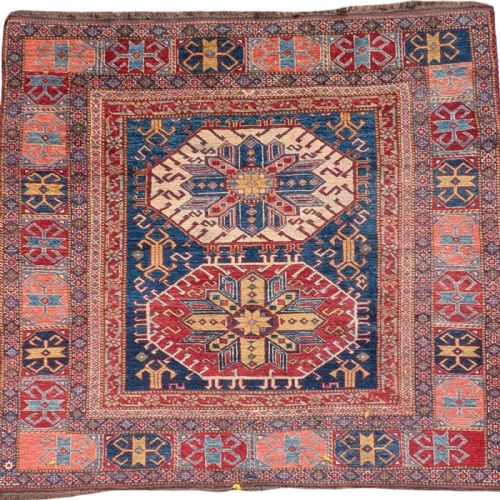
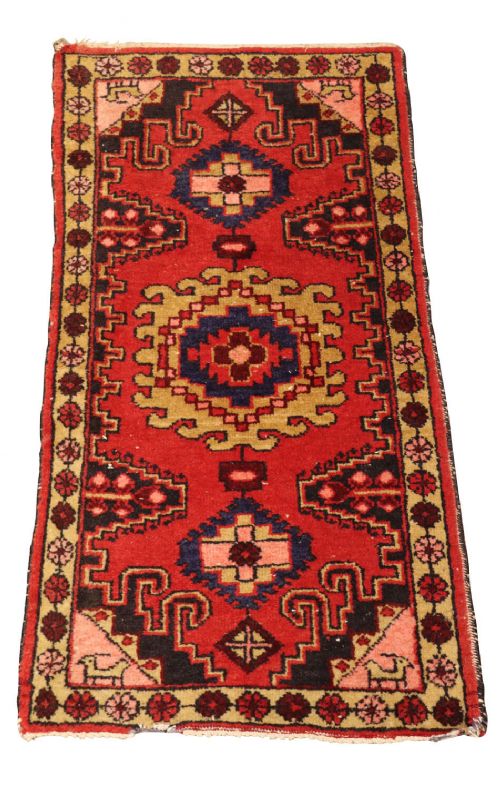
You are most likely to meet geometric room centrepieces featuring bold medallions, animal motifs, or hooked designs. These rugs range from standard formats to unusual square shapes, long runners, and carpets of substantial size.
How they were made
Weavers constructed these pieces using wool, hand-spun wool, and cotton foundations tied in hand-knotted techniques. Many items incorporate natural dyes that yield enduring, rich colour profiles across the surface.
The construction also includes specialised forms like flatwoven kilims made from mafrash panels. Structural integrity relies on tight knotting and sturdy wool piles designed to withstand daily wear.
Listings feature pieces dated from the 1850s through the 1930s, utilising wool, cotton, and natural dyes in Caucasian styles.
What varies in quality
The standard of a piece depends heavily on the crispness of the geometric drawing and the saturation of the natural dyes. Skilled weavers achieved sharper lines and more balanced medallion placement.
Material preparation also dictates grade, with hand-spun wool offering a greater tactile depth and resilience than standard commercial yarns. Well-preserved piles and intact original borders elevate the standing of an individual example.
The Kazak Wool Rug Glossary
- Prayer rug
- A small format rug featuring a mihrab or niche design, traditionally used for daily devotions. These pieces often display directional motifs pointing toward Mecca.
- Boteh
- A stylised almond or paisley motif representing a floral shoot or cypress tree. This design appears frequently in regional runners and field patterns.
- Kilim
- A flatwoven textile produced without a pile by tightly interweaving warp and weft threads. Such pieces serve as lighter coverings or storage bag faces.
- Medallion
- A large central ornamental design set into the field of the rug. These geometric focal points dominate the composition of Caucasian weaving.
Kazak Wool Rug: Frequently Asked Questions
Where were kazak wool rugs made?
These textiles were woven by tribal groups residing in the Caucasus region. The designs reflect the distinct cultural traditions of specific localities within that mountainous territory.
Production spanned from the nineteenth century into the early decades of the twentieth century. Makers utilised locally sourced wool and traditional dye recipes passed down through generations.
How do I identify a prayer rug?
Prayer rugs feature a distinct arched niche known as a mihrab at one end of the field. This architectural motif directs the orientation of the rug during use.
Such formats are generally smaller in scale to accommodate individual placement. The field within the niche often contains floral sprays or geometric amulets.
Are these rugs suitable for high traffic?
The dense wool construction and sturdy hand-knotted pile make these textiles durable for everyday floor use. Traditional materials withstand regular walking when properly maintained with a quality underlay.
Runners and area rugs perform well in hallways and living spaces alike. Gentle cleaning preserves the integrity of the natural dyes over decades of use.
What does a hooked medallion mean?
Hooked medallions are geometric central motifs outlined with stepped or hooked edges. These symbols form a core vocabulary in Caucasian tribal design.
Weavers repeated these angular shapes to create rhythm and visual tension across the central field. Each regional sub-type utilised distinct variations of these hooked forms.