






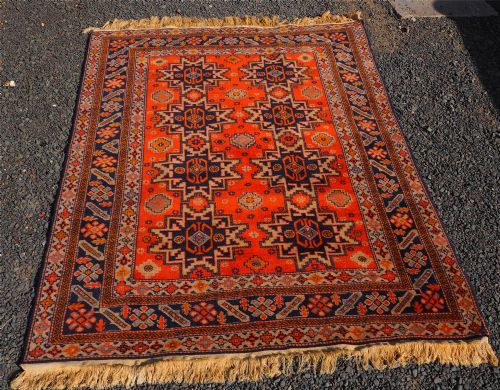
Vintage Hand Woven Carpet
These vintage hand woven carpet examples bring tactile warmth and enduring regional patterns to a floor, shaped by generations of nomadic and village weavers.
Vintage Hand Woven Carpet
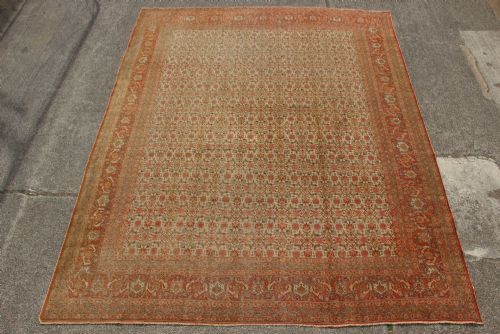
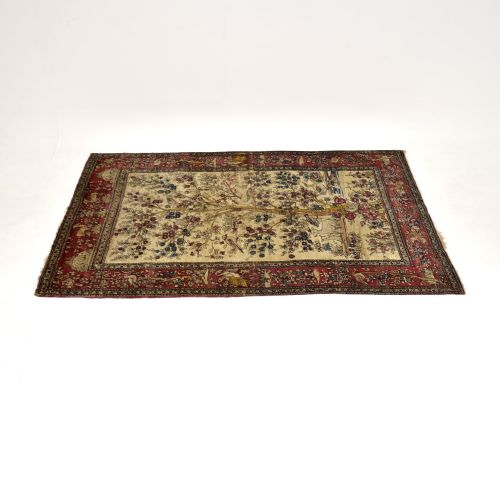
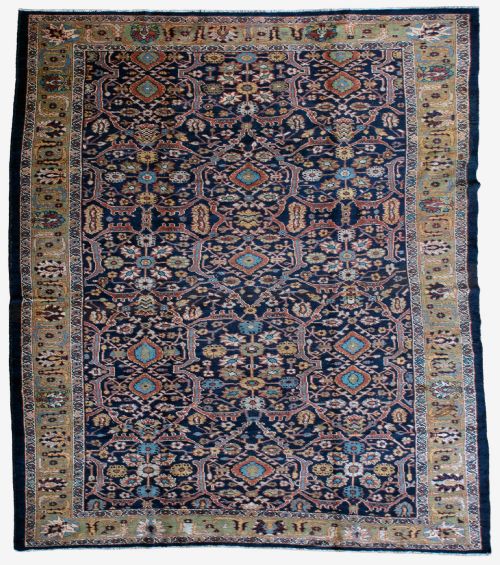
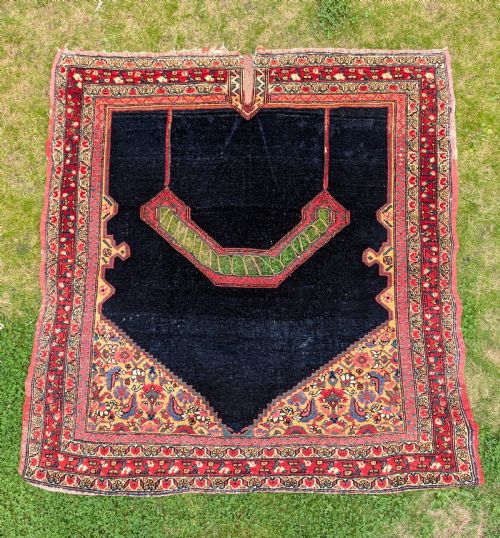
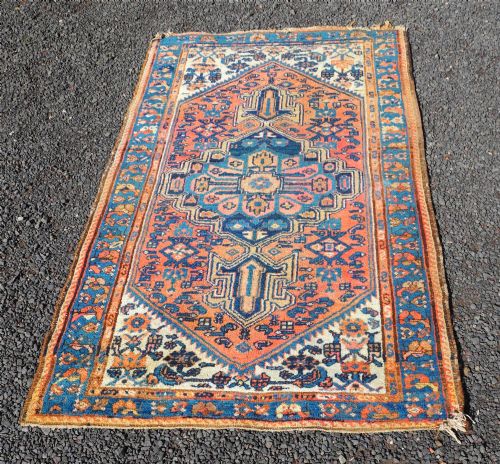
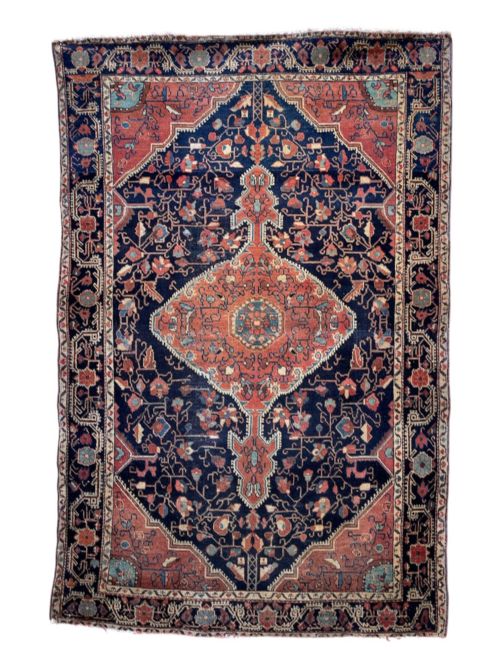
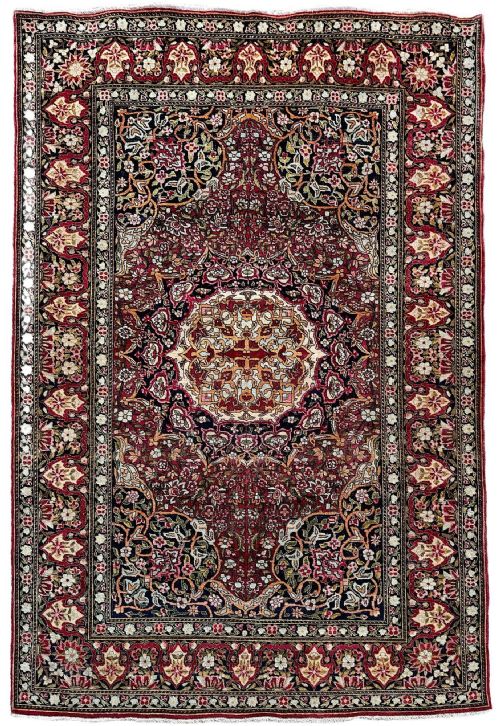
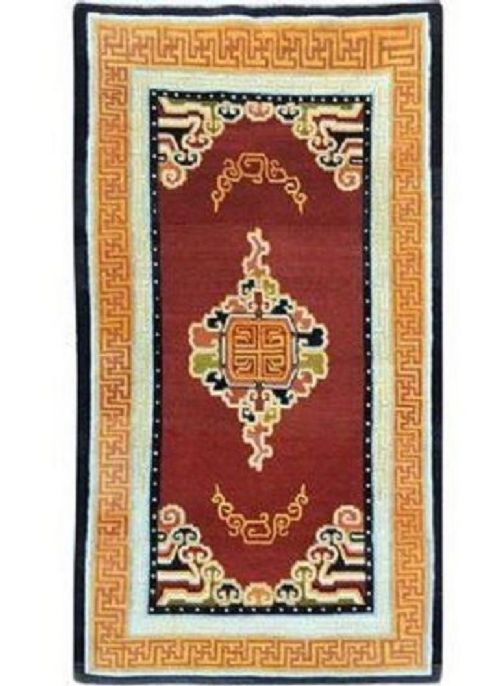
A vintage hand woven carpet represents the rich weaving traditions of Persia, the Caucasus, Tibet and Central Asia, spanning from the mid nineteenth century into the twentieth century. Buyers seeking this phrase encounter regional village rugs, tribal main carpets, hallway runners and compact saddle covers.
The selections on this page demonstrate the varied forms typical of these regions, including large room-sized carpets and smaller hearth-sized rugs. Each piece reflects the specific aesthetic of its origin, whether geometric Caucasian designs or intricate floral Persian compositions.
Materials and construction methods
Weavers relied primarily on natural wool, cotton foundations and occasional silk highlights to construct these textiles by hand. The use of hand-spun wool in many pieces contributes to the organic texture and subtle variations in surface appearance.
Makers knotted or wove the fibres manually, building dense piles or flat-woven structures designed to withstand decades of daily use. Natural dyes interact with the wool fibres to produce deep tones that soften gracefully over time.
Some nineteenth-century nomads wove tiny protective amulets directly into the geometric borders of their carpets to ward off misfortune.
Factors influencing quality
Quality rests in the precision of the knotting, the stability of the foundation and the integrity of the original materials. Tightly packed knots and resilient wool create a durable pile that retains its structural definition.
Visual harmony and the clarity of the regional design differentiate exceptional pieces from simpler utilitarian examples. A balanced composition and well-preserved borders indicate superior craftsmanship.
Ersari Turkmen·Khamseh Tribes·Bakhtiar Workshops·Senneh Weavers
The Vintage Hand Woven Carpet Glossary
- Pile
- The upright yarn loops that form the tactile surface of a rug. It provides softness and protects the structural foundation beneath.
- Runner
- A long, narrow carpet format designed specifically for hallways, corridors or staircases. This format guides movement through interior spaces.
- Warp
- The vertical threads stretched tightly on the loom before weaving begins. These foundational threads support the entire structure of the carpet.
- Weft
- The horizontal threads passed across the warp strands to lock the knots in place. Together, warp and weft form the supportive grid of the textile.
Vintage Hand Woven Carpet: Frequently Asked Questions
How do I clean a vintage carpet?
Gentle surface vacuuming without a beater bar removes loose dirt from the wool pile safely. Professional specialist cleaning is necessary for deep washing to protect the natural dyes.
Harsh chemical detergents or excessive moisture will damage the delicate fibres and historical foundations. Regular rotation ensures even wear across high traffic areas in your home.
Where should I place a runner?
Hallway runners suit narrow corridors, entryways and narrow kitchen spaces where floor protection is practical. They add visual warmth and texture to otherwise neglected transitional areas.
Ensure you use a breathable underlay to keep the rug stable on hard flooring. This prevents sliding and reduces friction between the wool base and the floor.
How do I identify tribal designs?
Tribal carpets often feature bold geometric motifs, repeating medallions and hooked polygons derived from nomadic heritage. These patterns are created from memory rather than precise pre-drawn paper cartoons.
Regional colour palettes, such as deep reds and indigo blues, help link specific pieces to groups like the Kazak or Bakhtiar. Examining the weave structure further clarifies the tribal origin.
Are these carpets suitable for daily use?
Traditional wool and cotton construction provides remarkable durability for everyday living spaces. High quality hand-spun wool resists standard household wear when placed in moderate traffic zones.
Protecting the piece from direct, intense sunlight prevents premature fading of the natural dye colours. Placing them in sitting rooms or studies allows you to enjoy their texture daily.