


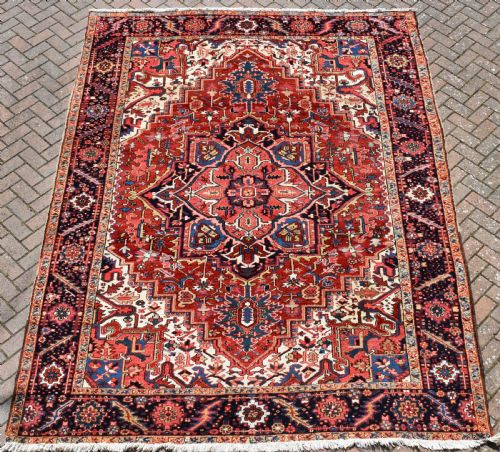


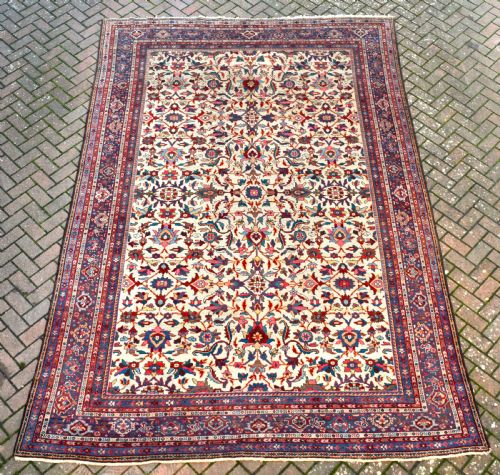
Classic Persian Room Carpet
A classic persian room carpet brings enduring regional artistry and generous scale to a floor scheme, offering the grounded character that older room-sized weaves provide.
Classic Persian Room Carpet
A classic persian room carpet is a large floor covering originating from various regional weaving centres in Persia, designed to anchor a principal space. These pieces span production dates from the late nineteenth century through to the early decades of the twentieth century, encompassing periods such as the nineteenth century and specific decades like 1870, 1890, 1900, 1920, and 1930.
The selections available here showcase distinct regional styles including Heriz, Sultanabad, Mahal, Tabriz, Ziegler and Co, Kirman, and Fereghan. Buyers encounter traditional Persian patterns that range from room-sized formats to oversized room carpets intended for expansive interiors.
How they were made
Construction relies upon durable natural materials, predominantly utilising wool for the pile and cotton for the structural foundation of warp and weft. These organic fibres provide the tensile strength required for large format floor coverings produced in traditional workshops.
Weavers employed regional knotting techniques and natural dye traditions unique to specific weaving districts like Heriz or Mahal. The interaction of wool pile upon cotton foundations creates the flexible yet resilient structure characteristic of these antique Persian textiles.
Classic Persian Room Carpet Retail Price Guide 2026
Typical asking prices for classic persian room carpet among the pieces listed under this phrase on Sellingantiques today, from the lower quarter to the upper quarter. They describe what is for sale here now, not the wider market.
Listings feature wool and cotton materials across nineteenth and early twentieth century periods.
What varies in quality
Quality rests upon the fineness of the weave, the handling of the wool, and the crispness of the regional design execution. Superior examples display a harmonious balance of natural dyes and intricate draftsmanship across larger room dimensions.
The integrity of the wool pile and the structural stability of the cotton foundation dictate the overall durability and visual depth of the carpet. Pieces exhibiting greater precision in pattern rendition and superior fibre preparation represent the finer end of the weaving tradition.
Ziegler and Co
The Classic Persian Room Carpet Glossary
- Pile
- The surface of the carpet formed by the cut ends of knotted yarn. This wool layer absorbs wear and displays the visual pattern.
- Warp
- The vertical foundation threads running lengthwise through the carpet. Cotton threads provide the rigid structural framework for the knots.
- Weft
- The horizontal threads inserted between rows of knots to bind the structure. These cotton strands maintain the width and tension of the weave.
- Foundation
- The underlying grid of warp and weft threads supporting the knotted wool pile. This hidden base determines the drape and longevity of the carpet.
Classic Persian Room Carpet: Frequently Asked Questions
What is a classic persian room carpet?
A classic persian room carpet is a large-scale floor covering woven in Persia during the nineteenth or early twentieth century. These pieces represent traditional regional styles such as Heriz, Mahal, Tabriz, and Kirman.
They serve as functional room-sized textiles that bring historic regional designs and natural materials into an interior space.
How do I choose the right size?
Selecting the correct size involves measuring your floor space to ensure the carpet appropriately anchors the room's furniture layout. Room-sized and oversized carpets are designed to sit beneath major seating groups or fill the centre of a large floor.
Consider the proportions of your living area against the specific dimensions listed for each antique carpet.
What materials are used?
These carpets are constructed using natural materials consisting of wool and cotton. Wool forms the soft, durable surface pile, while cotton provides the strong foundation threads.
This combination ensures both structural stability and a comfortable texture underfoot.
How do I care for my carpet?
Proper care involves regular gentle vacuuming without a rotating beater bar to protect the wool pile. Professional cleaning should be undertaken periodically by specialists in antique textiles.
Positioning the carpet away from direct, harsh sunlight helps preserve the natural dyes over time.