






Yellow Border Rug
These yellow border rug pieces bring distinct warmth and framing to a room through traditional textile craftsmanship.
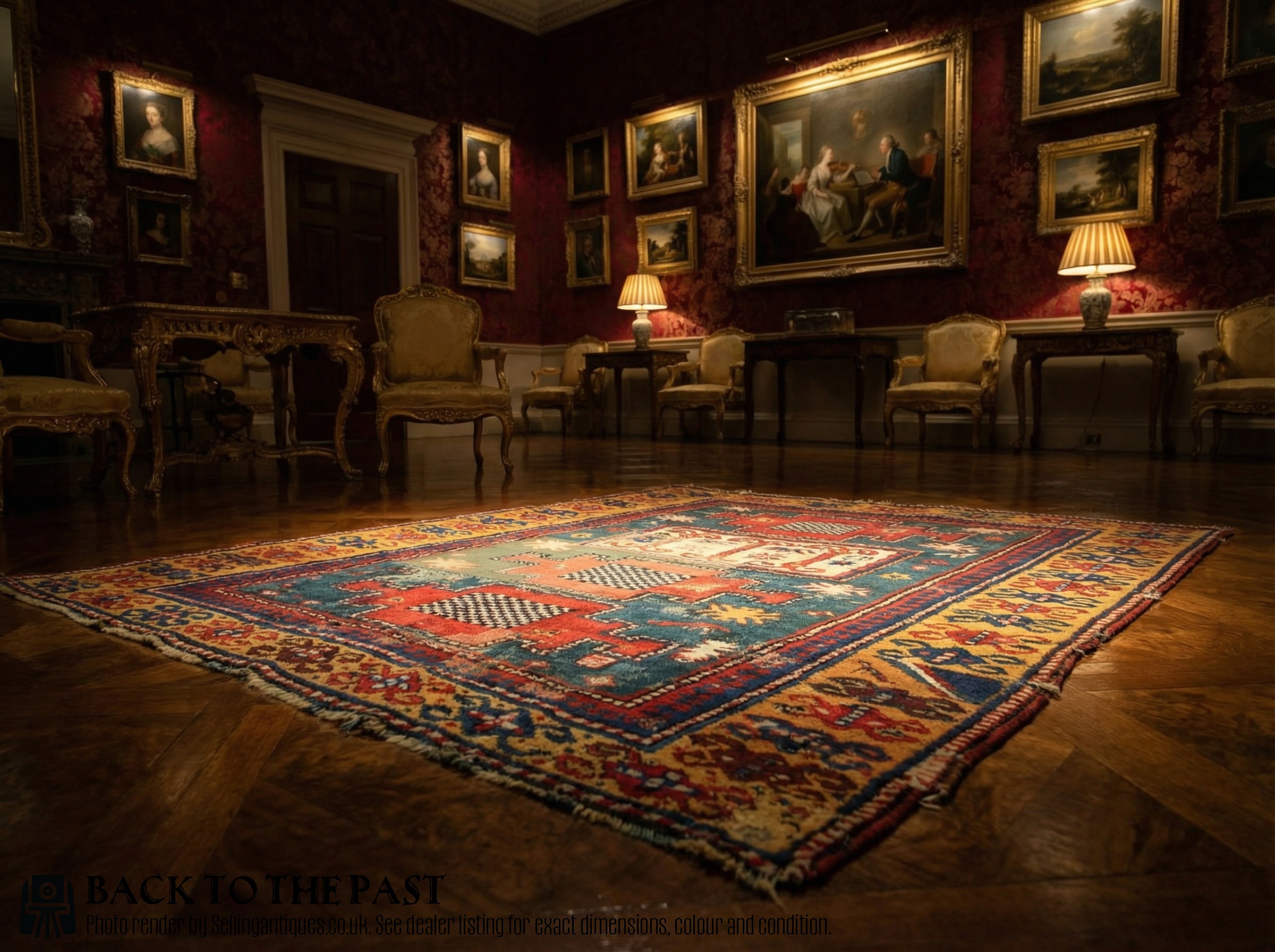
Yellow Border Rug
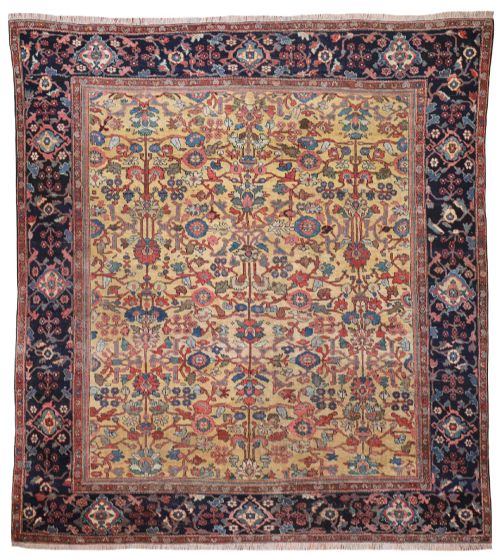
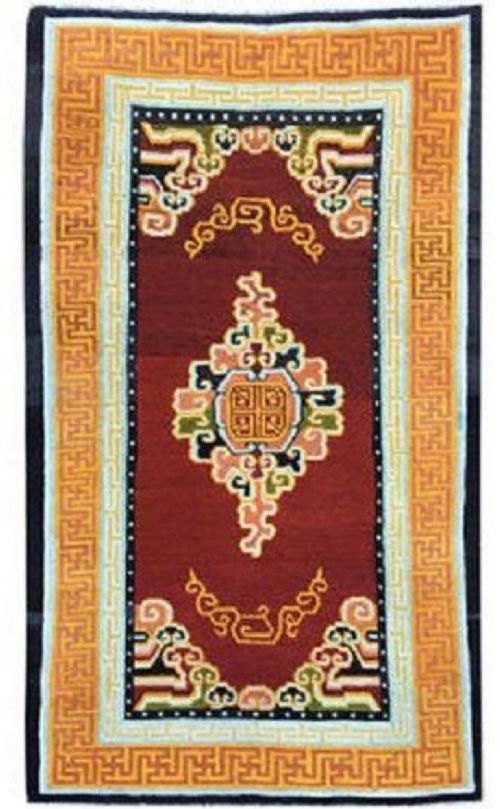
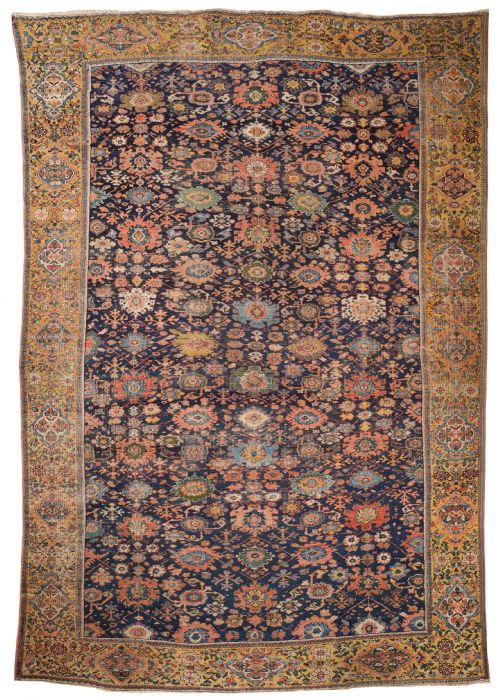
When you search for a yellow border rug, you encounter floor coverings and textiles spanning periods from the mid-nineteenth century through the early twentieth century. The selection includes Caucasian Kazak remnants, Kurdish runners, and Persian carpets alongside Bessarabian kilims and Tibetan pieces.
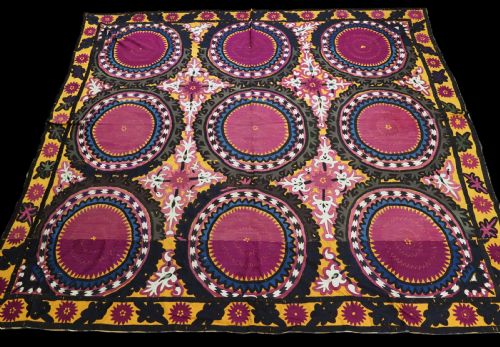
You are most likely to meet wool and cotton floor textiles displaying regional designs, from Central Asian Suzanis to large Fereghan carpets. These items function as floor runners, room-sized carpets, and wall hangings.
Each piece reflects the distinct weaving traditions of its origin, incorporating specific medallion layouts, prayer rug formats, and tribal motifs. The yellow border serves to frame the central field of each textile, setting apart the inner patterns.
How they were made
The listings record construction primarily in wool, cotton, and silk, utilised across knotted pile, flatweave, and embroidered Suzani techniques. Artisans worked these natural materials by hand to produce durable floor coverings and decorative hangings.
Dye methods and structural weaves determine the texture and longevity of each textile, whether knotted tightly in traditional workshops or woven flat as kilims and soumaks. The interaction of these materials creates the weight and drape characteristic of older regional textiles.
Yellow Border Rug Retail Price Guide 2026
Typical asking prices for yellow border rug among the pieces listed under this phrase on Sellingantiques today, from the lower quarter to the upper quarter. They describe what is for sale here now, not the wider market.
Listings feature wool, cotton, and silk across periods spanning from 1850 to 1930.
What varies in quality
Quality differences depend on the tightness of the weave, the clarity of the regional motifs, and the preservation of the pile or flatweave structure. Finer knots and robust edge finishes distinguish more accomplished workshop and tribal pieces from simpler remnants.
The vibrancy and retention of the dye work, particularly within the yellow borders and central fields, dictate the visual impact of the textile. Condition and structural integrity remain central to how these older rugs endure.
The Yellow Border Rug Glossary
- Pile
- The upright yarn loops or knots that form the tactile surface of a carpet. This layer provides cushioning and absorbs wear.
- Flatweave
- A textile constructed without a raised pile by interlocking warp and weft threads. Examples include kilims and soumaks.
- Warp
- The stationary vertical threads stretched across a loom that form the structural foundation of the textile. Weft threads are woven horizontally through them.
- Kelleh
- A specific rectangular carpet format that is longer than it is wide, traditionally suited for narrower room spaces. These often feature distinctive central medallion arrangements.
Yellow Border Rug: Frequently Asked Questions
How do I clean an antique rug?
Older textiles require gentle surface care and professional specialist cleaning rather than immersion washing or harsh chemical treatments. Regular light suction without a rotating brush helps remove embedded dust.
Protecting the piece from direct sunlight prevents the natural dyes in the yellow borders and fields from fading prematurely over time.
Where should I place a runner?
Runners suit hallways, corridors, and narrow spaces where a long, linear textile balances the proportions of the room. They soften footsteps and introduce traditional pattern without overwhelming floor space.
Using a suitable underlay prevents slipping and cushions the wool or cotton structure against hard flooring surfaces.
What does a yellow border indicate?
A yellow border frames the central field of a carpet, creating visual contrast with inner medallion or tribal motifs. The shade and presence of the yellow depend on regional dye traditions and local materials.
Such borders help categorise Caucasian, Persian, and Anatolian pieces by highlighting specific design schools and periods.
How are different regional styles told apart?
Regional styles differ through knotting density, structural foundations, and characteristic colour palettes. Kurdish, Caucasian, and Persian pieces each employ distinct geometric or floral vocabulary.
Examining the edge finishes and reverse side often reveals the specific weaving technique used by the makers.