

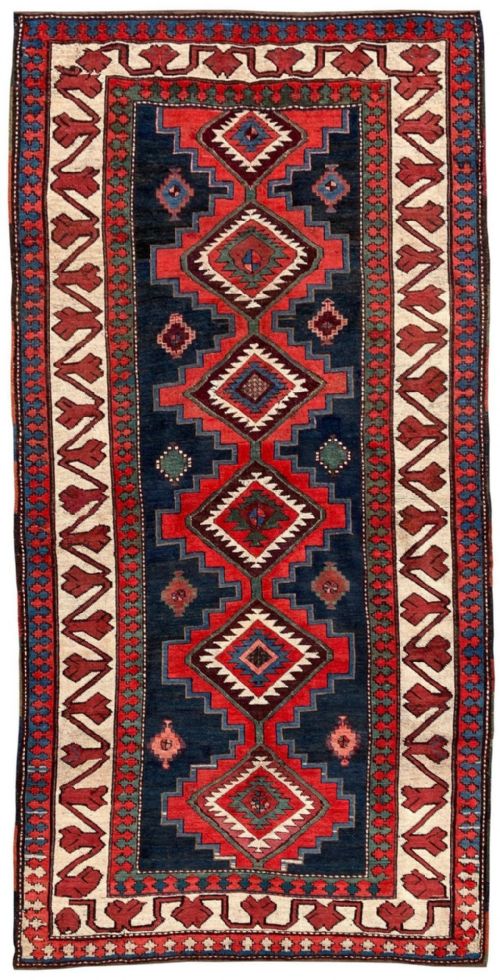
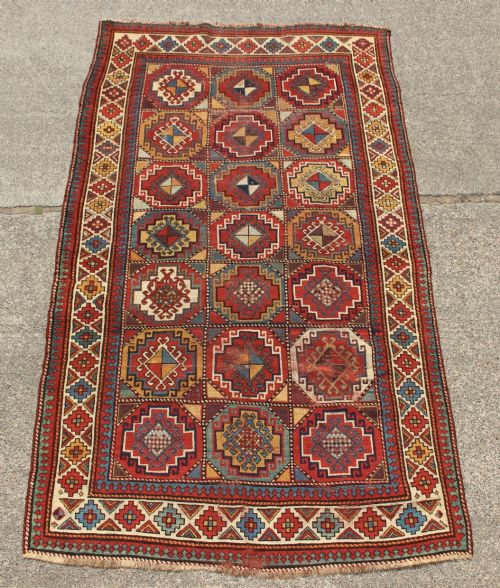
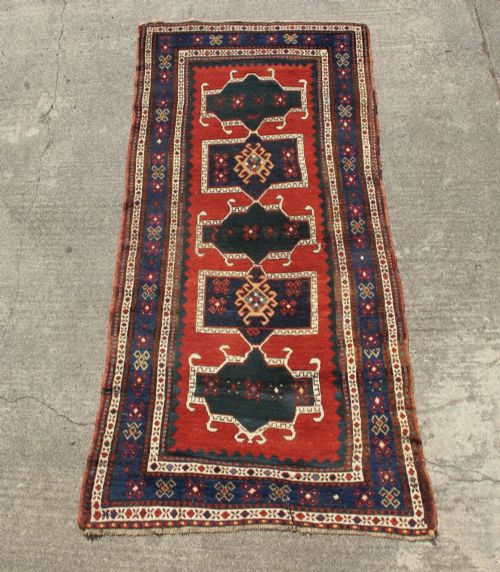
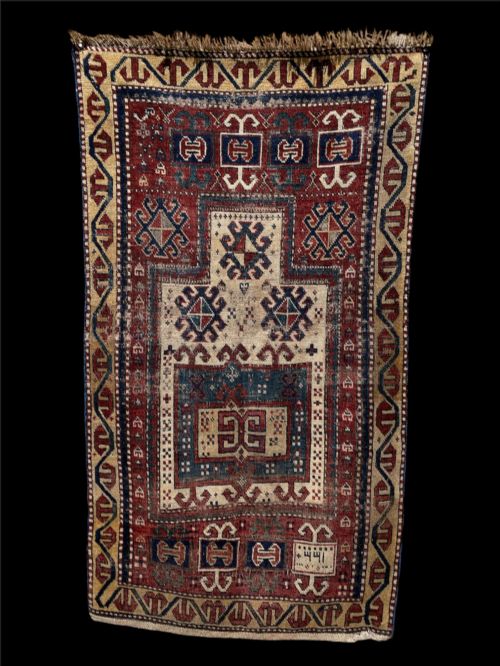


Kazak Runner Rug
When you search for a kazak runner rug, you enter the world of tribal weaving from the Caucasus with bold geometric motifs and rich wool.
Kazak Runner Rug
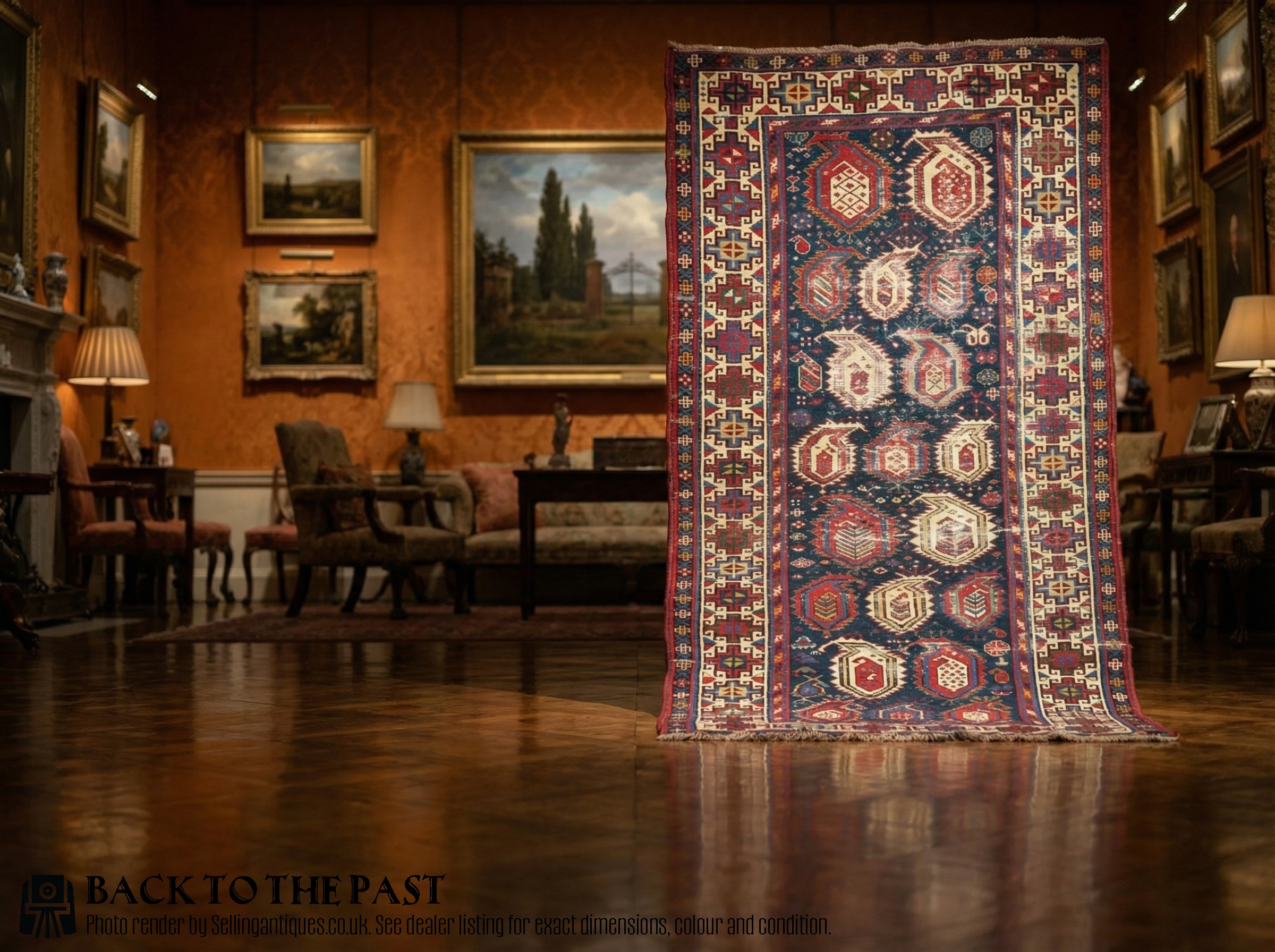
A kazak runner rug represents a specific category of tribal and village weaving originating from the Caucasus region during the nineteenth and early twentieth centuries. These elongated formats served practical purposes in regional architecture, often lining corridors or large rooms with robust protection underfoot.
The specimens found here span multiple decades from the 1860s through to the 1930s, displaying regional sub-types such as Gendje, Moghan, and Fachralo. Collectors encounter distinctive village aesthetics rather than standardised court designs, making each floor covering a singular expression of local tradition.
Materials and construction methods
Weavers utilised hand-spun wool for the pile and foundation yarns, creating a durable surface that withstands generations of use. Natural dyes provided the deep pigments characteristic of the region, yielding complex variations in tone across the surface.
The construction relies on hand-knotted techniques executed on vertical looms, often combining wool and cotton elements within the foundation structure. This traditional method results in a dense pile that supports the crisp geometric outlines of medallions and motifs.
Several village rugs quietly smuggle horses, people, and stray animals right into the middle of strict geometric medallions.
Evaluating quality and character
Quality in these textiles depends heavily on the vibrancy and condition of the natural dyes used by the weaver, alongside the clarity of the geometric drawing. Pieces that retain rich, saturated colour palettes and finely executed latch-hook medallions stand apart from simpler examples.
The integrity of the wool pile and the survival of the original outer borders also define the standing of an individual textile. Tightly knotted structures that maintain their proportions and structural soundness represent the upper tier of surviving examples.
The Kazak Runner Rug Glossary
- Latch hook
- A stepped geometric motif resembling a hook, frequently seen outlining medallions in Caucasian weaving.
- Boteh
- An almond-shaped or paisley motif with a curved upper end, often arranged in rows or diagonal stripes.
- Memling gul
- An octagonal gully or medallion featuring hooked edges, named after the Renaissance painter who depicted similar carpets.
- Prayer rug
- A specialised format featuring a mihrab or arch design at one end, traditionally used for daily devotions.
- Pile
- The dense surface layer of knotted yarn that forms the usable upper face of the textile.
Kazak Runner Rug: Frequently Asked Questions
What is a kazak runner rug?
A kazak runner rug is a long, narrow tribal floor covering originating from the Caucasus region during the nineteenth or early twentieth century. These pieces are distinguished by their bold geometric layouts and saturated wool piles.
Weavers in villages across the region produced these textiles using traditional hand-knotting methods and natural dye stuffs. Their narrow proportions made them ideal for hallways, corridors, and long spaces.
How do I care for an antique wool rug?
Caring for an antique wool textile requires gentle, regular vacuuming without a beater bar to protect the delicate hand-knotted pile. Keeping the rug out of direct sunlight prevents the natural dyes from fading over time.
Professional cleaning tailored to antique carpets should be utilised when necessary rather than standard household washing. Proper rug underlays also help reduce friction between the foundation and the floor.
Where were these rugs made?
These textiles were produced in the Caucasus region, an area bridging Europe and Asia encompassing modern-day countries such as Armenia, Azerbaijan, and Georgia. Different valleys and towns developed distinct design repertoires.
Specific sub-regions represented in these pieces include Gendje, Moghan, and Fachralo. Each locality imparted unique colour combinations and motif arrangements to its village weavings.
How can I date an old rug?
Dating an antique floor covering involves examining the wool quality, the complexity of the natural dye palette, and structural clues in the foundation. Stylistic traits and regional weaving characteristics also provide reliable markers for historical placement.
Most pieces from this tradition date from the mid-nineteenth century through the early decades of the twentieth century. Specific dates are sometimes woven directly into the field or verified through comparative stylistic analysis.