


Kashmiri Carved Tables
These kashmiri carved tables bring intricate craftsmanship and rich regional artistry into the home, offering both practical surfaces and striking decorative presence.
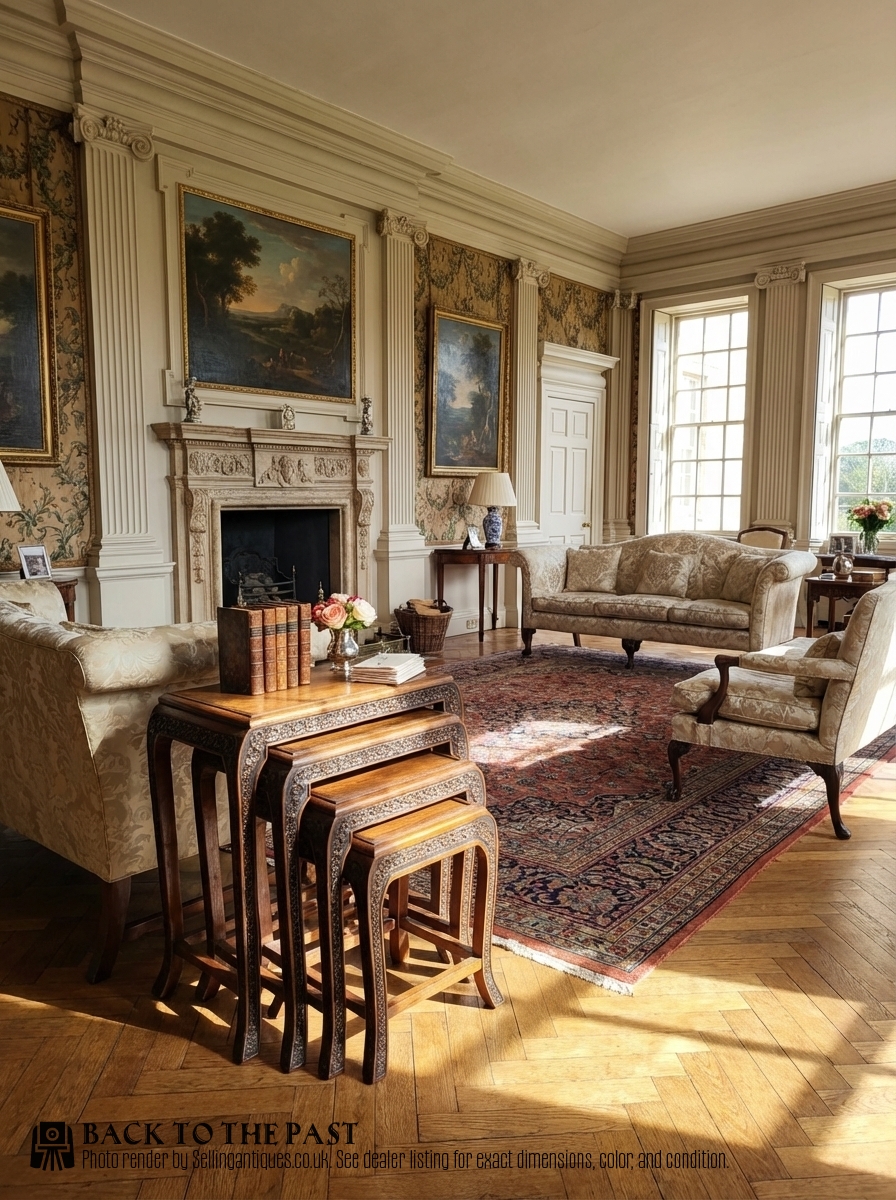
Kashmiri Carved Tables
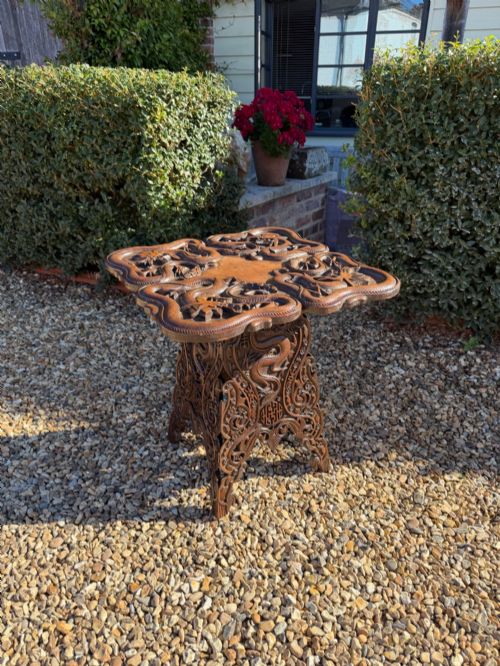
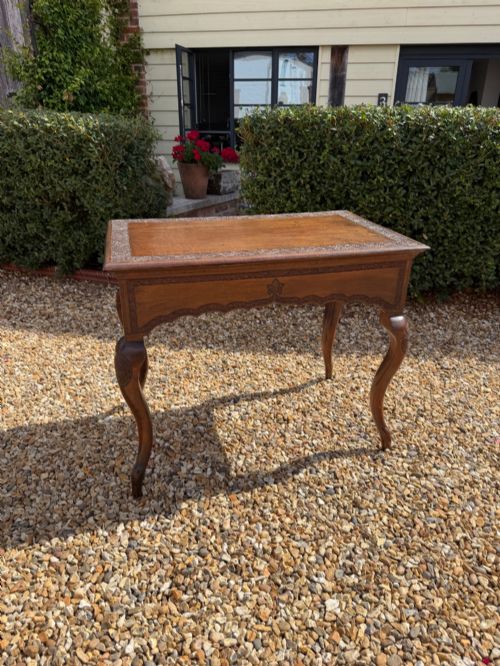
When you search for kashmiri carved tables, you encounter an array of occasional furniture, side pieces, and nests originating from South Asia, largely spanning the late nineteenth and early twentieth centuries. These items reflect distinct regional woodworking traditions, particularly through dense floral and geometric relief carving.
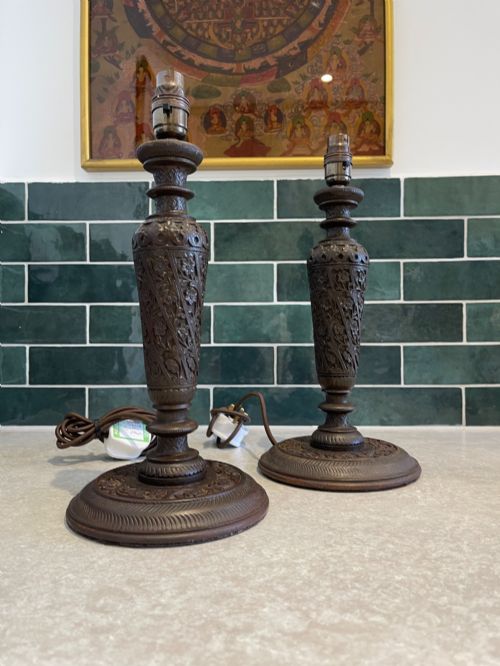
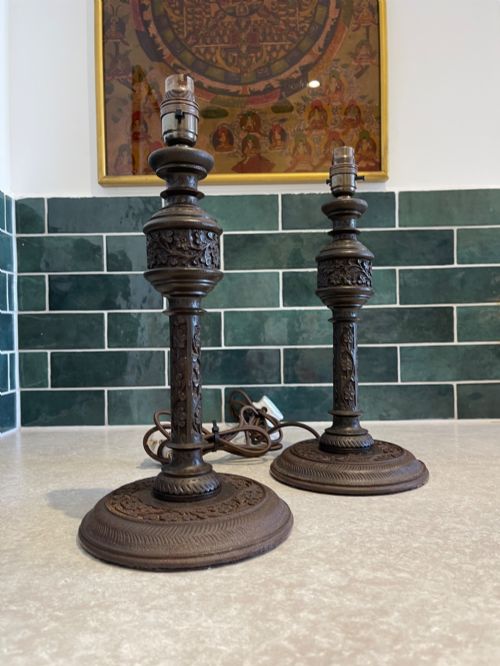
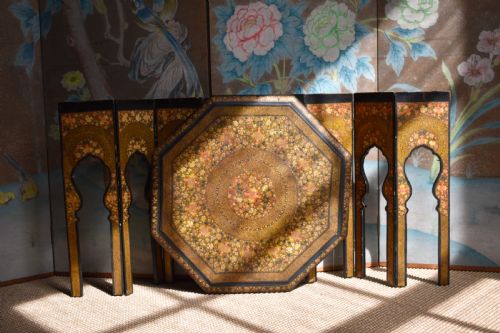
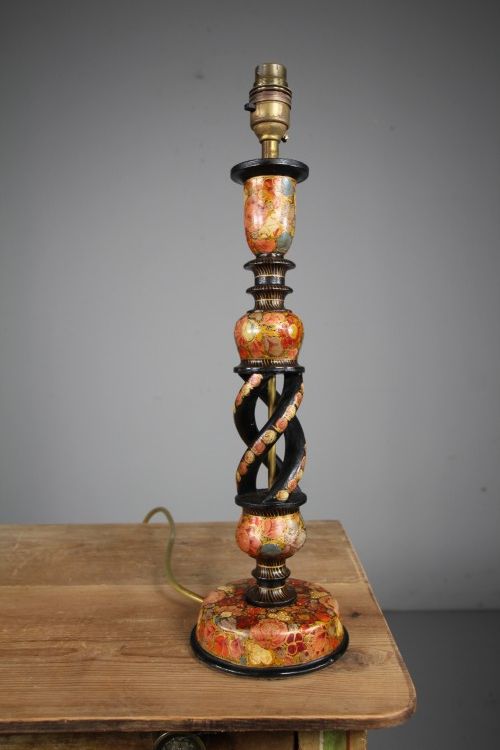
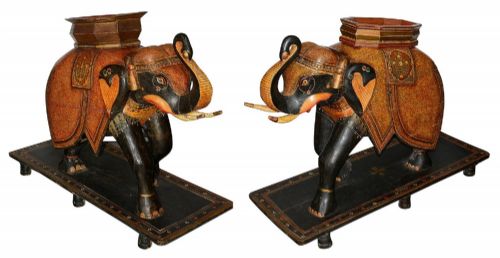
The pieces listed on this page range from compact side tables to nesting sets and painted surfaces, alongside related lamps and carved animal figures. Walnut and other native woods dominate the selection, often complemented by painted or lacquered finishes in the Anglo-Indian and Kashmiri styles.
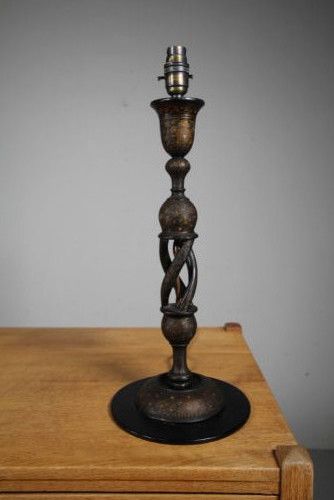
You are most likely to meet walnut occasional tables and twist table lamps from the nineteen-twenties or late Victorian periods. These forms demonstrate the versatility of Kashmiri artisans in adapting traditional carving techniques to British domestic tastes of the era.
How they were made
Walnut serves as the primary structural material, chosen for its tight grain and suitability for deep, intricate relief carving. Artisans carve the timber by hand, creating dense motifs of foliage, flowers, and interlacing patterns across the top and sides of each table.
Surface decoration frequently involves paint, lacquer, and gesso applied over carved wood or papier-mache foundations. These finishes introduce colour and detail, highlighting the carved contours and reflecting traditional regional surface ornamentation.
Periods represented span from the Victorian era through the nineteen-twenties.
What varies in quality
The depth and crispness of the hand carving dictate the visual impact of each piece. Finer examples exhibit sharp, undercut details and balanced symmetry across the entire surface, whereas simpler versions rely on shallow, repetitive stamping or minimal incision.
The integrity of the timber and the preservation of original painted or lacquered surfaces distinguish superior items. Tables that retain their native finish without heavy restoration maintain a greater connection to their period of origin.
The Kashmiri Carved Tables Glossary
- Walnut
- A dense, durable timber favoured for its rich brown colour and stability in intricate carving. It forms the structural basis of the finest tables and trays.
- Lacquer
- A durable resin finish applied to wood or papier-mache surfaces to provide a glossy protective coating. It often incorporates painted details in traditional regional palettes.
- Gesso
- A plaster-based mixture applied to wood surfaces to create a smooth ground for subsequent painting or gilding. It provides a crisp base for detailed ornamentation.
- Anglo-Indian
- A design style produced in British India that combines traditional local craftsmanship with forms suited to Western domestic interiors. These pieces bridge Eastern motifs and European furniture types.
Kashmiri Carved Tables: Frequently Asked Questions
What woods are used in these tables?
Walnut is the predominant wood found in these pieces, valued for its strength and responsiveness to deep hand carving. Artisans also utilise general carved wood and papier-mache for specific decorative objects.
The density of walnut allows for the intricate floral and geometric relief work characteristic of the region, ensuring the structure remains stable over time.
What styles are common in this collection?
The primary styles represented are Kashmiri and Anglo-Indian, reflecting the cross-cultural exchange of the colonial period. These designs merge traditional South Asian carving techniques with European furniture forms such as occasional tables and nesting sets.
This blend creates distinctive decorative items that function as practical tables while displaying elaborate regional artistry.
How do I care for a lacquered surface?
Lacquered and painted surfaces require gentle treatment, avoiding direct sunlight, excessive moisture, and abrasive cleaning products. Dusting with a soft, dry cloth preserves the integrity of the finish.
Maintaining stable indoor humidity levels prevents the wood beneath from expanding or contracting, which protects the decorative layers from cracking.