

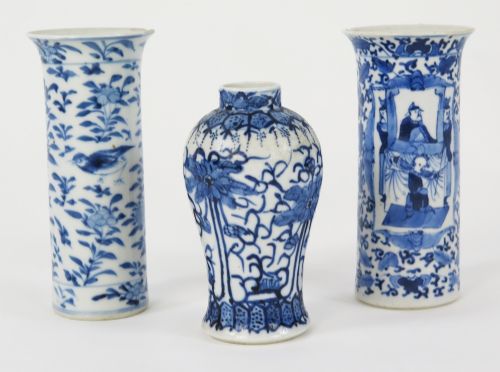
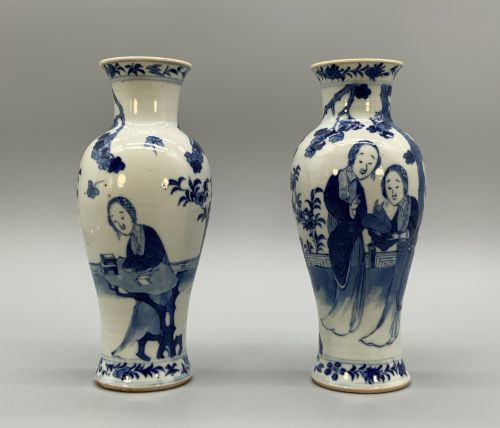


Kangxi Style Porcelain
Kangxi style porcelain brings cobalt blue and vibrant palettes to your room, carrying the weight of centuries of ceramic tradition.
Kangxi Style Porcelain
When you examine kangxi style porcelain, you encounter items shaped by centuries of replication, revival, and design imitation.
The objects on this page include vases, ginger jars, teapots, decorative plates, and figurines drawn from periods like the nineteenth century and earlier eras.
You are most likely to meet nineteenth-century blue and white porcelain vases carrying simulated marks, alongside decorative plates and jars modelled on earlier forms.
Materials and construction
The pieces rely upon porcelain and ceramic bodies finished with glazes, including cobalt underglaze, cobalt blue glaze, and lead glaze.
Makers integrated decorative elements such as gold leaf alongside cobalt pigments to achieve the characteristic blue and white schemes and polychrome famille verte finishes.
Kangxi Style Porcelain Retail Price Guide 2026
Typical asking prices for kangxi style porcelain among the pieces listed under this phrase on Sellingantiques today, from the lower quarter to the upper quarter. They describe what is for sale here now, not the wider market.
A ceramic parrot perches in the selection, proving that potters applied their cobalt and green palettes to birds just as readily as vases.
Judging the quality
Quality rests upon the precision of the cobalt underglaze painting and the clarity of the porcelain body beneath the glaze.
Pieces showing disciplined brushwork and well-rendered motifs stand apart from simpler production, reflecting the skill behind the revival design.
The Kangxi Style Porcelain Glossary
- Cobalt underglaze
- Pigment applied to the ceramic body before glazing and firing, producing deep blue tones under a glossy surface. It defines much of the blue and white tradition.
- Famille verte
- A green-dominant polychrome palette used on ceramics, translating from the French for green family. It brings vibrant secondary colours to figures and vessels.
- Gu shaped
- A trumpet-necked beaker form derived from ancient bronze vessels, featuring a flaring top and central bulb. It appears frequently in ritual and decorative wares.
- Soft-paste porcelain
- A ceramic material containing glass frit or clay minerals, fired at lower temperatures than hard-paste. It has a slightly softer feel and distinct glaze texture.
Kangxi Style Porcelain: Frequently Asked Questions
How do I spot nineteenth century copies?
Nineteenth century pieces often feature reign marks that mimic earlier Kangxi periods rather than dating from the original seventeenth century.
Examine the potting style, glaze texture, and blue pigment depth to understand when a piece was actually produced.
Where were these ginger jars displayed?
Ginger jars served as functional containers for spices and precious commodities before becoming purely decorative mantel ornaments.
During later revival periods, pairs were placed symmetrically on furniture to accent domestic interiors.
Are all marked pieces genuine?
Base marks frequently pay homage to earlier reigns rather than indicating the exact manufacturing date of the object.
Potters applied these marks as a sign of respect or commercial appeal, making overall stylistic analysis essential.
How should I clean porcelain?
Dust surfaces gently with a soft, dry cloth to prevent accumulation without risking delicate enamel or gold leaf details.
Avoid harsh chemical cleaners or submersion, particularly for pieces with soft-paste bodies or added gilding.