




Josef Lorenzl Sculpture
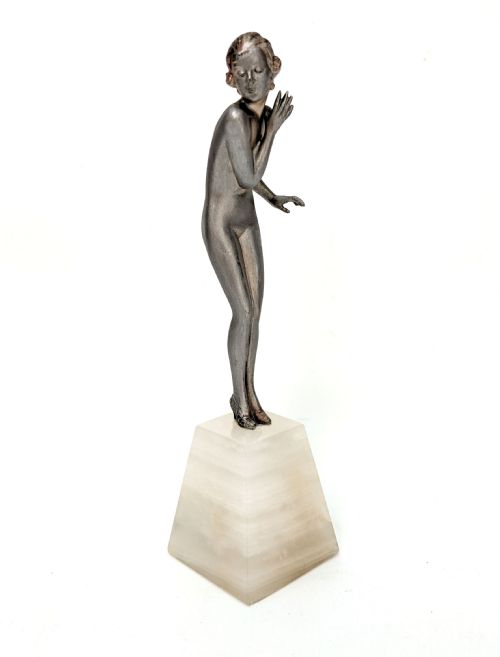
A josef lorenzl sculpture captures the definitive dynamism of Art Deco dance and movement through slender figures on stone bases.
Josef Lorenzl Sculpture
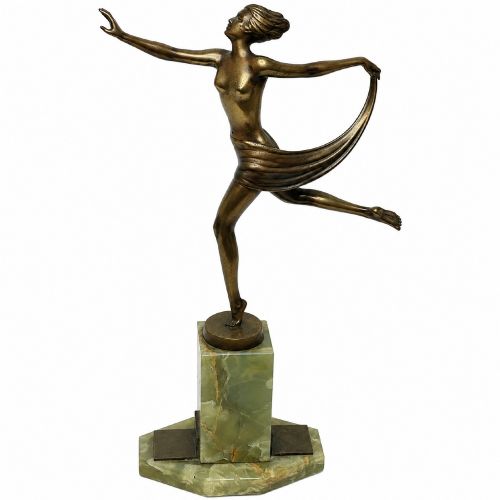
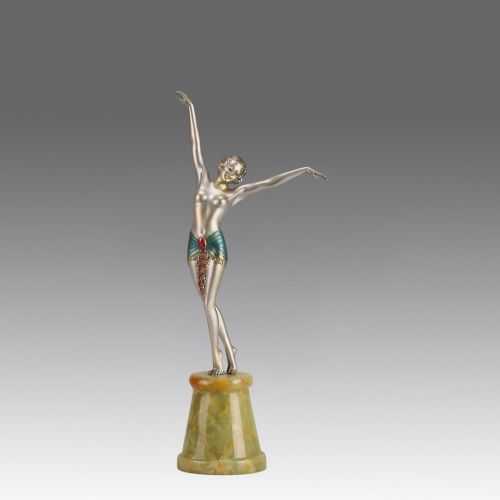
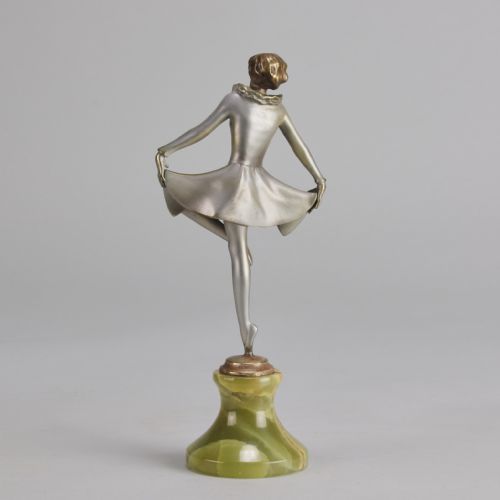
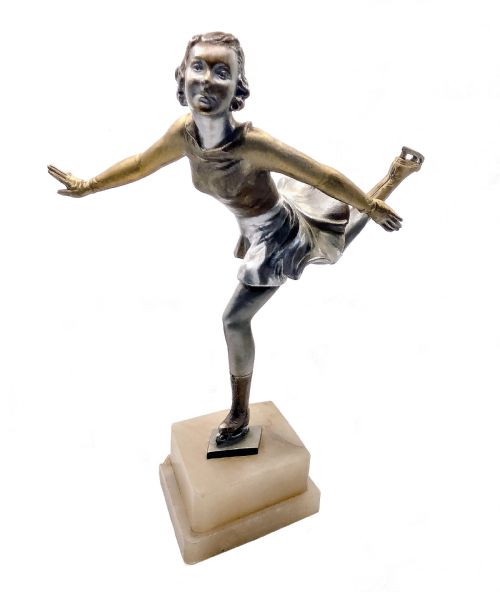
A josef lorenzl sculpture represents the Art Deco period, capturing female dancers, ballerinas, and figurative studies from the 1920s and 1930s. These pieces portray fluid motion in subjects such as scarf dancers, ice skaters, and figures entitled Trouser Girl or Egyptian Dancer.
The objects take the form of figurines, statuettes, and occasional functional items like table lighters depicting subjects like a boy golfer or specific personalities including Maria Jeritza. Most examples originate from Austria and align with the distinct aesthetics of the interwar decades.
Materials and construction
The metal sculptures rest upon bases constructed from materials such as onyx, marble, and wood. This combination provided stability and contrast for the slender posture of the figures.
A bronze trouser girl dances permanently into view next to a metal boy golfer who moonlights as a table lighter.
Distinctions in quality
The material composition separates bronze castings from spelter alternatives, as metal choice dictates the crispness of detail in the casting process. Original bronze works retain sharper definition in facial expressions and drapery than substitute metal alloys.
The survival of original surface treatments, including cold-painted polychrome and silvered finishes, dictates the desirability of an example. Complete and undisturbed paint layers preserve the intended visual impact of the designer's work.
Josef Lorenzl
The Josef Lorenzl Sculpture Glossary
- Art Deco
- A design style dominant in the 1920s and 1930s characterised by streamlined forms and geometric symmetry. It influenced sculpture, architecture, and decorative arts across Europe.
- Cold-Painted Bronze
- A technique where bronze figures are painted with oil or enamel paints without subsequent kiln firing. This method allowed for intricate multicoloured clothing and skin tones on metal sculptures.
- Spelter
- A zinc or lead alloy used as an economical alternative to bronze in decorative figures. It appears frequently in period castings requiring a metallic finish without the weight or cost of bronze.
- Onyx
- A banded variety of chalcedony utilised as a heavy stone plinth for figures. It provided a polished, decorative foundation for balancing slender bronze sculptures.
Josef Lorenzl Sculpture: Frequently Asked Questions
What periods do these sculptures date from?
The listings span the 1920s and 1930s, aligning directly with the height of the Art Deco movement in Europe. Most works reflect the fashion and dance culture of these interwar decades.
Pieces from this era often feature specific date attributions around nineteen-twenty or nineteen-thirty based on stylistic traits and foundry output.
What subjects appear most frequently?
Female dancers and figurative studies dominate the subjects, including ballerinas, scarf dancers, and characters with specific titles. Figures engaged in motion, such as ice skaters and runners, are standard.
Non-dancer subjects also exist, including athletic figures like a boy golfer and functional pieces like table lighters.
How were the stone bases constructed?
The figures were mounted primarily on onyx or marble plinths, occasionally incorporating wood elements. These heavy bases anchored the tall, narrow proportions of the cast metal subjects.
Selection of stone provided a contrasting natural texture to the smooth metallic surfaces of the dancers.