
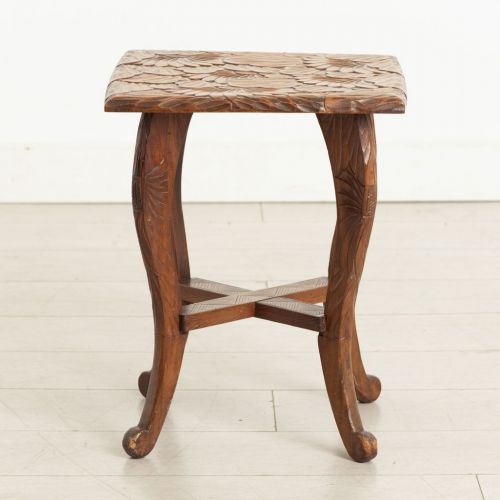


Japanese Wood Lamps
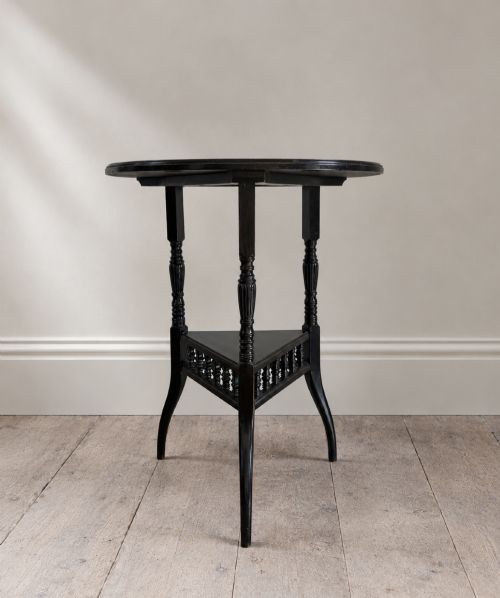
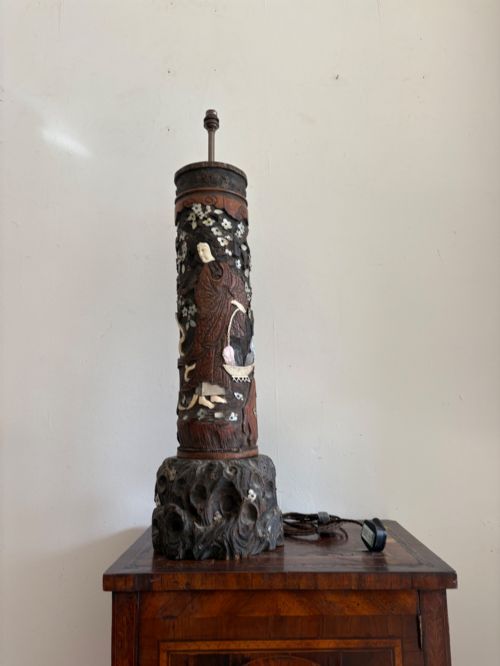
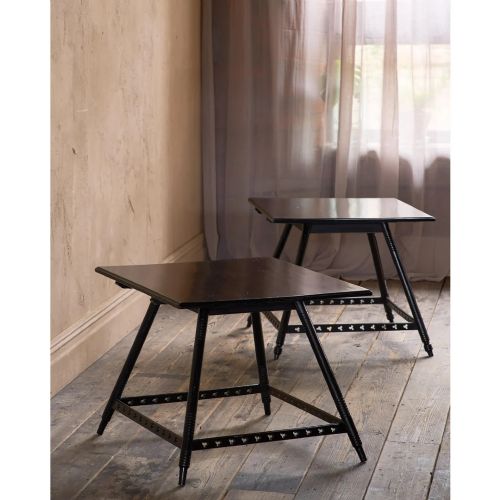
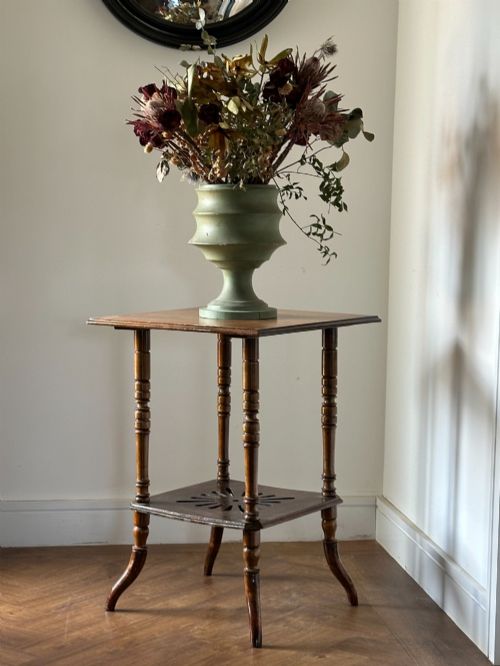
These japanese wood lamps bring together fine carved roots, ebonised hardwoods and aesthetic movement forms to light a room with distinct character.
Japanese Wood Lamps
When you search for japanese wood lamps, you encounter pieces that bridge nineteenth-century craftsmanship and domestic utility. The selection spans standard lamps and table lamps alongside converted side tables and root wood carvings.
Most examples date from the nineteenth century, including the Meiji period and Victorian eras, drawing on Anglo-Japanese, Aesthetic Movement and Arts and Crafts traditions. You will find root wood structures and ebonised hardwoods paired with fabric elements.
These lamps frequently emerge from distinct design movements where Eastern carving traditions met British furniture design. They serve both as functional lighting and as sculptural objects within a room.
How they were made
Makers utilised dense natural materials including ebonised hardwood, mahogany, elm, lacquer and root wood. These timbers were shaped through traditional hand carving and joinery techniques.
Surfaces often received ebonising treatments or lacquer finishes to achieve deep black tones, occasionally accented with carved root forms. Brass fittings and fabric elements completed the construction of these lighting pieces.
Some nineteenth-century makers looked at a tangled tree stump and saw a reading lamp.
What varies in quality
Quality rests upon the execution of the hand carving and the selection of the timber. Root wood lamps depend on the natural configuration of the grain and the skill required to transform organic forms into stable bases.
The sophistication of the joinery and the integrity of ebonised finishes distinguish finer examples from simpler workshop output. Pieces associated with noted retailers or specific design circles display superior proportions and finishing.
Liberty of London·Liberty and Co·E W Godwin
The Japanese Wood Lamps Glossary
- Ebonised
- Wood treated to imitate ebony, usually through staining and polishing to create a deep black surface. This technique was widely utilised during the Victorian and Aesthetic periods.
- Root wood
- Timber sourced from the root system of a tree, prized for its complex, gnarled grain patterns. Carvers utilised these organic shapes to create unique sculptural forms.
- Meiji period
- The era in Japanese history spanning from 1868 to 1912, characterised by extensive cultural exchange with the West. Export pieces from this time heavily influenced British interior design.
- Anglo-Japanese
- A style combining British furniture forms with Japanese decorative motifs and construction methods. It gained prominence through designers associated with the Aesthetic Movement.
- Aesthetic Movement
- A nineteenth-century design current that championed art for art's sake and integrated Japanese aesthetics into Western interiors. It favoured simplified forms and dark, ebonised woods.
Japanese Wood Lamps: Frequently Asked Questions
Are japanese wood lamps old?
The pieces seen here typically date from the nineteenth century and the early twentieth century, spanning Victorian and Meiji periods.
They reflect the cross-cultural design movements of those eras, combining traditional craftsmanship with period lighting adaptations.
How do I identify root wood lamps?
Root wood lamps display the gnarled, twisting grain patterns inherent to tree root systems. Artisans selected these irregular organic shapes to carve functional lighting bases.
Each piece remains entirely unique due to the natural growth of the timber used.
What is ebonised wood?
Ebonised wood is ordinary timber treated with stain and polish to achieve the dense black appearance of ebony. This finish was common on nineteenth-century aesthetic and arts and crafts furniture.
It provided a dark, uniform surface that contrasted with carved details and metal fittings.
How do I place a standard lamp?
Standard lamps serve as prominent vertical elements in a room, suited for corners or beside seating areas. Their height and form allow them to cast ambient light across a space.
Consider the proportions of the room and the shade style when positioning them among other furnishings.