






Japanese Style Pottery
Japanese style pottery draws the eye with rich cobalt pigment and gilt detailing, uniting Eastern motifs with Victorian craftsmanship.
Japanese Style Pottery
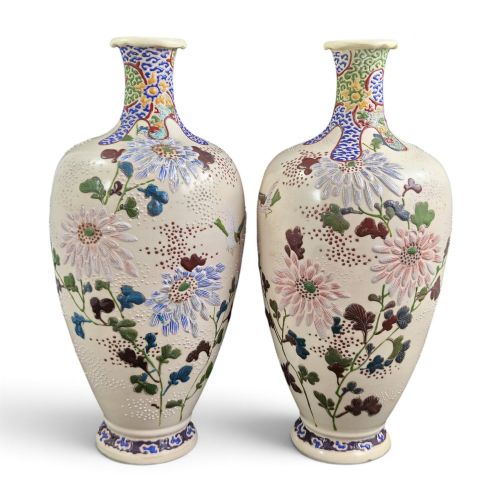
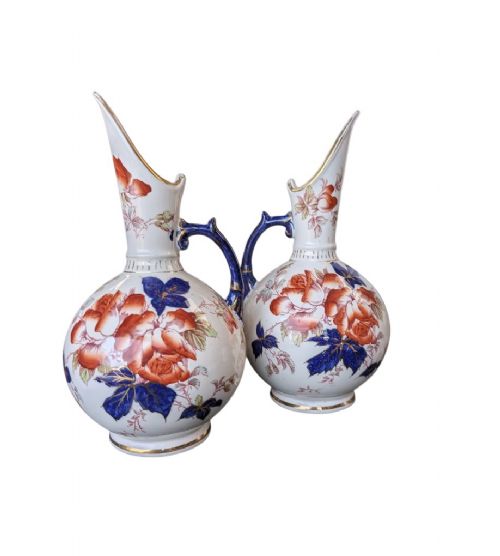
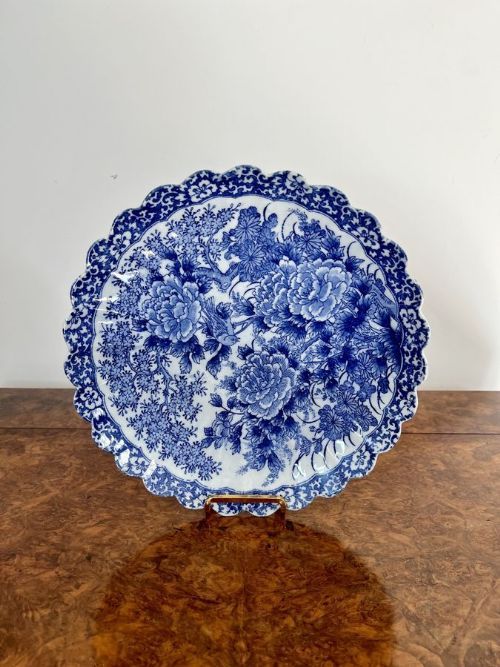
Japanese style pottery encompasses both imported pieces from periods such as the Meiji era and British interpretations created during the Aesthetic Movement. When searching this phrase, a buyer encounters diverse items ranging from large porcelain chargers and decorative plates to pitchers, table lamps, and figurative okimono. These objects reflect a fascination with Eastern aesthetics that swept through European workshops during the nineteenth century.
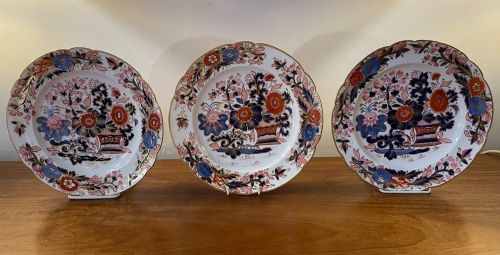
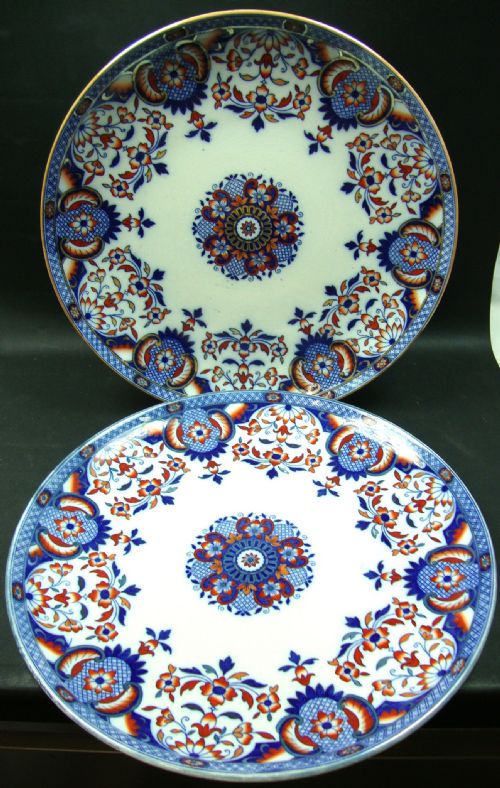
The domestic interpretations sit alongside direct imports on this page, showing how Staffordshire, Minton, and Doulton Lambeth adopted Asian motifs. A buyer is likely to meet classic Imari palettes alongside Satsuma wares featuring intricate moriage work and gilding. These domestic and imported variants share a common decorative ambition, utilising cobalt pigment and enamel on ceramic surfaces.
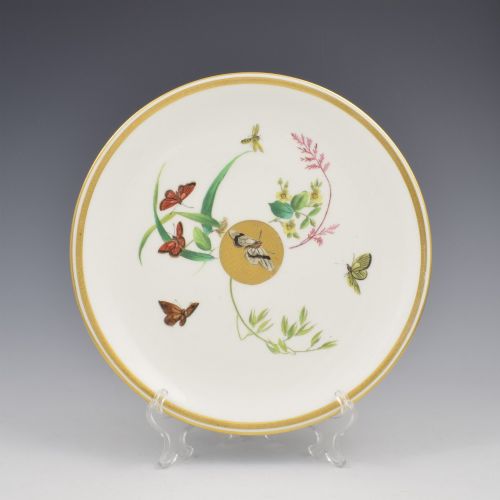
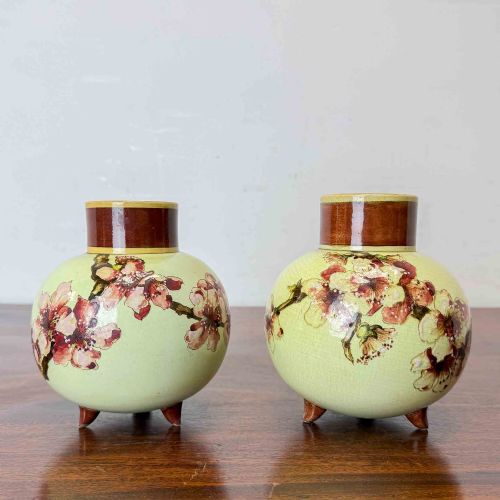
Objects span several decades, stretching from early nineteenth-century Staffordshire pieces through to the height of the Victorian era and into the early twentieth century. Vases and cabinet plates dominate the selection, offering distinct decorative forms that suit various interior settings. Each piece demonstrates how makers translated Japanese visual traditions into familiar ceramic shapes.
Materials and Techniques
Makers utilised porcelain and earthenware as the primary base materials, shaping them into robust vessels, chargers, and delicate dessert plates. These ceramic bodies provided a stable canvas for the application of complex surface decoration. Potters then fired the pieces to achieve durable finishes capable of holding detailed painting.
Surface ornamentation relied heavily on cobalt pigment, enamel, and gold leaf or gilding to create striking visual contrast. Artisans applied raised moriage decoration on Satsuma wares to give specific floral and geometric motifs a tactile quality. This combination of metallic leaf and vibrant enamels defines the finished appearance of both imported and British-made items.
Japanese Style Pottery Retail Price Guide 2026
Typical asking prices for japanese style pottery among the pieces listed under this phrase on Sellingantiques today, from the lower quarter to the upper quarter. They describe what is for sale here now, not the wider market.
Listings feature ceramics spanning the nineteenth and early twentieth centuries, encompassing Victorian domestic production and Japanese export wares.
Distinguishing Quality
Quality rests upon the precision of the hand-painted details and the control shown in applying enamel and cobalt pigment. Superior pieces exhibit crisp lines and balanced compositions where motifs interact harmoniously with the ceramic form. Inferior examples often display rushed brushwork and muddy colour application that obscure the underlying design.
The application of gold leaf and gilding marks another division between ordinary and exceptional items. Fine pieces feature clean, meticulously applied metallic highlights that have survived the decades with minimal rubbing. Poorer execution shows uneven coverage and heavy-handed application that lacks refinement.
Makuzu Kozan II·Doulton Lambeth·Minton
The Japanese Style Pottery Glossary
- Imari palette
- A traditional colour scheme featuring cobalt blue, iron red, and gilt highlights on a white ceramic ground. This palette originates from Japanese export wares and heavily influenced European ceramic design.
- Moriage
- A decorative technique where slip is piped onto pottery before firing to create raised, textured patterns. It frequently appears on Satsuma wares alongside extensive gilding.
- Aesthetic Movement
- A nineteenth-century artistic movement that emphasised art for art's sake and drew inspiration from Japanese design. British potteries like Minton produced notable ceramics under this influence.
- Okimono
- A small Japanese carved decorative figurine intended for display in an interior setting. These pieces often depict animals or natural subjects executed in ceramic or other materials.
- Charger
- A large decorative plate designed primarily for display on a wall or sideboard rather than for dining use. These objects offer an expansive surface for complex pictorial scenes.
Japanese Style Pottery: Frequently Asked Questions
How do I identify Japanese Imari pottery?
Imari pottery is recognised by its distinctive palette combining deep cobalt blue and rust red with extensive gilding. The designs often incorporate floral or geometric panels arranged symmetrically across the surface.
Examining the underside of plates and vases can reveal maker marks or age indicators that help confirm the period of manufacture.
What is the difference between Satsuma and Imari ware?
Satsuma wares typically feature an ivory-coloured, crackled earthenware body decorated with enamel and raised gilding known as moriage. They often depict figures, landscapes, or dense floral arrangements.
In contrast, Imari pieces utilise a porcelain body with a harder finish, dominated by cobalt blue and iron red decoration rather than the softer palette of Satsuma.
Can I use these ceramic items daily?
Most antique decorative plates, chargers, and vases are intended for display rather than robust daily use. The delicate enamel, gold leaf, and cobalt painting can wear away with frequent washing or handling.
Cabinet plates and decorative chargers are best kept on stands or wall mounts to preserve their surface decoration for the future.
How should I clean antique pottery?
Dust ceramic surfaces gently with a soft, dry cloth to remove everyday particles. Avoid using chemical cleaners, abrasive sponges, or soaking the piece in water, as these methods can damage fragile gilding and enamel.
If moisture is necessary, use a barely damp cloth and dry the surface immediately afterwards with a lint-free towel.