


Japanese Relief Ceramic Vase
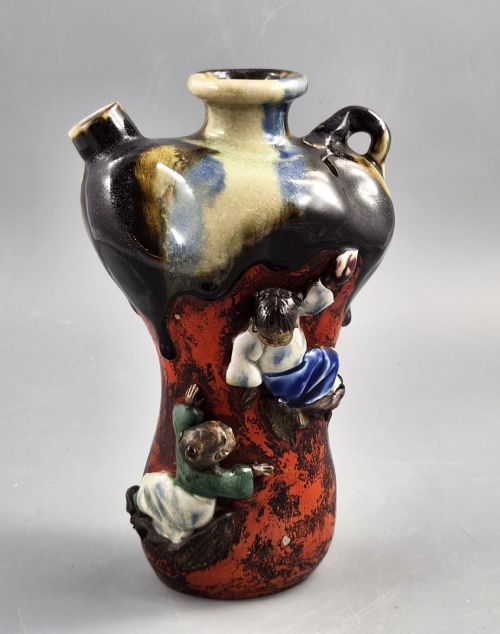
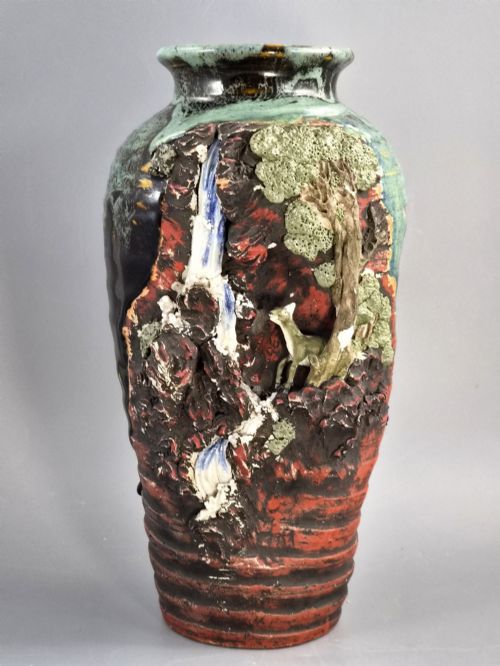
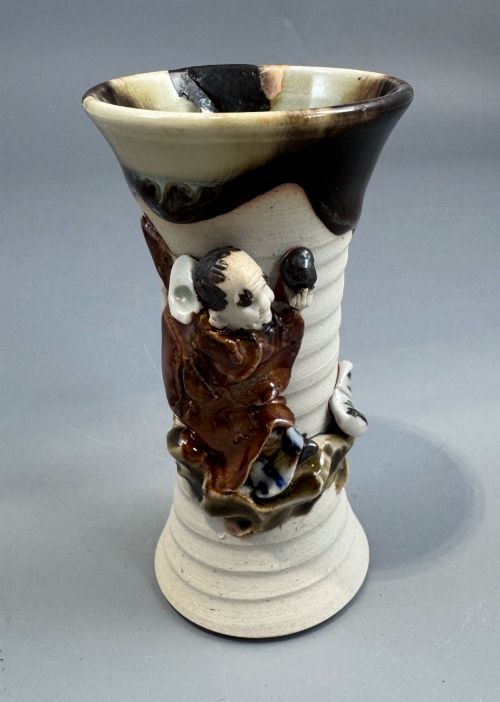
These Japanese relief ceramic vase examples bring tactile narrative scenes and striking glazes straight from Meiji and Taisho workshops into your room.
Japanese Relief Ceramic Vase
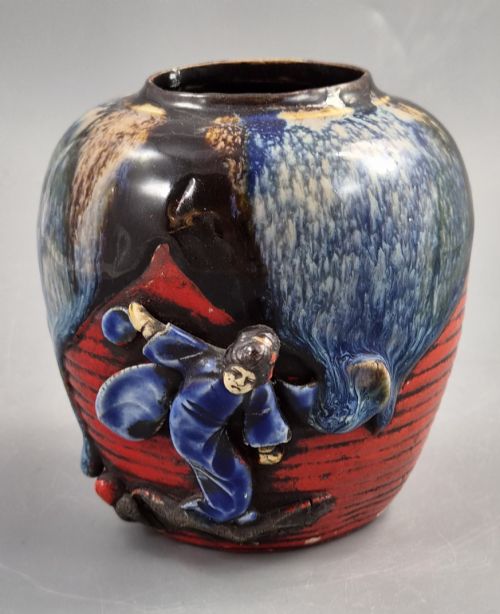
A japanese relief ceramic vase brings together sculpted dimensional figures and rich glaze work originating from the Meiji, Taisho and Showa periods. When you search for this phrase, you encounter vessels ranging from compact pitchers to tall sculptural landscape forms.
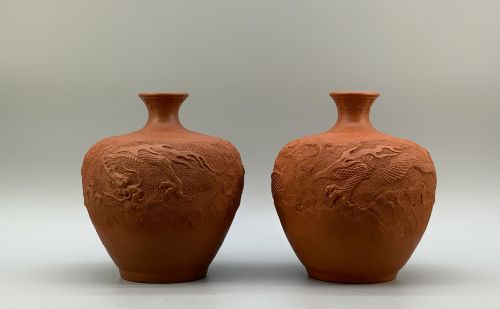
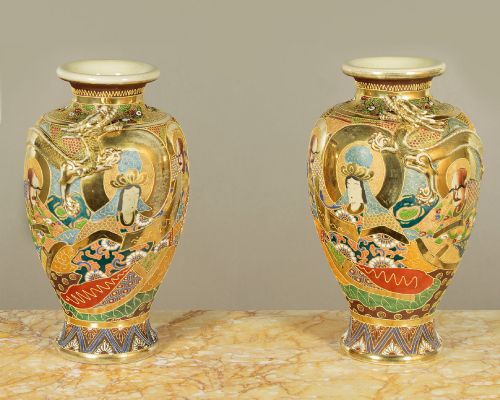
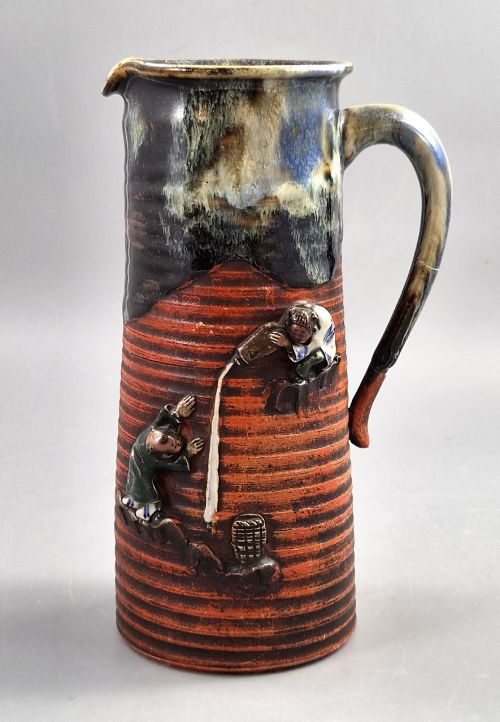
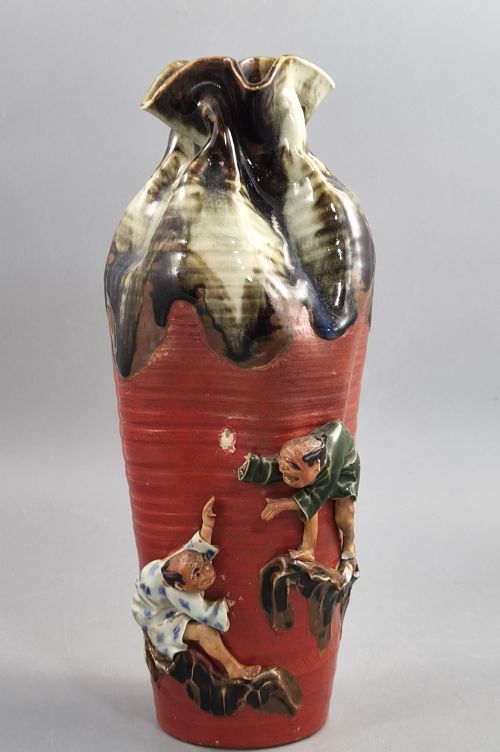
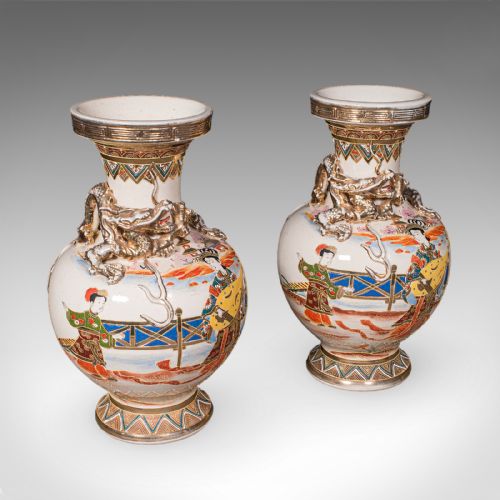
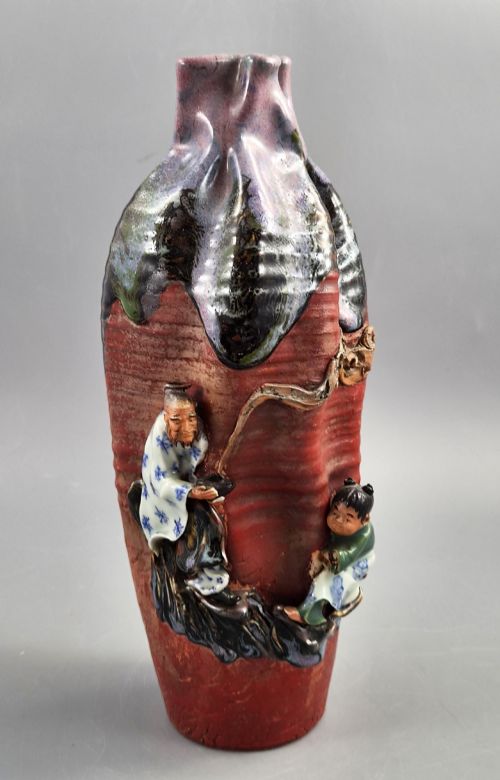
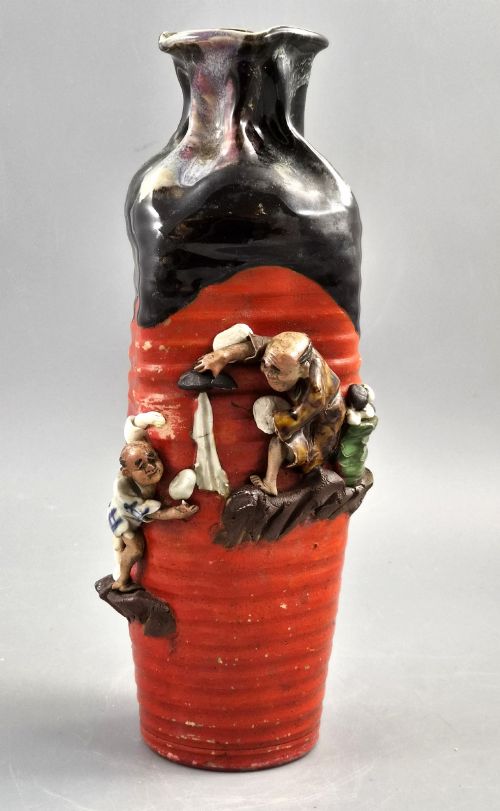
The selections span distinct traditions including Tokoname red clay, Satsuma ware, Imari, and notably the distinctive Sumida Gawa pottery. These pieces frequently incorporate modelled figures, animals and natural scenes climbing across the body of the vessel.
Moulded and ribbed bodies appear alongside hand-modelled elements, showing the breadth of ceramic artistry from the early twentieth century. You find both pairs and individual statement pieces suitable for prominent display.
How they were made
Potters utilised earthenware, stoneware, terracotta and porcelain as the foundational bodies for these vessels. Artisans applied clay figures, dragons and foliage by hand onto the surface before firing.
Makers applied complex glaze treatments including flambé, oxblood and lavender effects alongside enamel and gold leaf detailing. Master workshops such as those associated with Inoue Ryosai combined sculptural modelling with dramatic fluid glazes.
The listings show Japanese relief ceramic vases primarily spanning the Meiji, Taisho and Showa periods, utilising stoneware, earthenware and porcelain with flambé glazes.
What varies in quality
Quality rests on the precision of the sculptural relief and the depth of the glaze effects. Pieces featuring crisply modelled figures with expressive hand-painted details stand apart from simpler production.
Signed works from notable makers command attention for their individual artistry and careful kiln control. The harmony between the applied landscape elements and the underlying flambé glaze defines the distinction of the top tier.
Inoue Ryosai·Makuzu Kozan II·Ban-ni·Hiroshi
The Japanese Relief Ceramic Vase Glossary
- Sumida Gawa
- A distinct style of Japanese pottery featuring heavily modelled figures and textured flambé glazes. These pieces were often produced in Tokyo during the Meiji and Taisho periods.
- Flambé glaze
- A streaked or mottled glaze effect created by complex chemical reactions in the kiln. It produces dramatic transitions of blue, red and purple across the ceramic surface.
- Tokoname
- A historic centre for Japanese pottery production known for its fine red clay vessels. Tokoname pieces often display naturalistic motifs like dragons and phoenixes.
- Satsuma
- A type of Japanese earthenware traditionally featuring finely crackled ivory glaze and detailed enamel decoration. Satsuma vases often depict historic figures and ornate floral patterns.
- Karako
- A traditional Chinese motif depicting playful boys, frequently adopted in Japanese ceramic art. These figures appear climbing or playing in relief on decorative vessels.
Japanese Relief Ceramic Vase: Frequently Asked Questions
What is a Sumida Gawa vase?
A Sumida Gawa vase is a Japanese ceramic vessel characterised by heavy, dripped flambé glazes and applied sculptural figures. These pieces often feature scenes with sages, children or animals climbing across the exterior.
The style emerged during the Meiji period in Tokyo and combines traditional pottery techniques with bold, three-dimensional storytelling.
How do I identify a Meiji period vase?
Meiji period pieces date from the late nineteenth and early twentieth centuries, reflecting the opening of Japan to Western trade. You identify them by their specific decorative motifs, regional clays and traditional signatures.
Many examples from this era show a distinct blend of traditional Japanese iconography with innovative glazing techniques developed for international collectors.
Where were Tokoname red clay vases made?
Tokoname red clay vases originate from one of Japan's ancient ceramic kilns in Aichi Prefecture. This region specialised in unglazed or subtly glazed stonewares and red earthenwares.
Artisans in Tokoname often utilised natural iron-rich clays to create durable vessels decorated with relief motifs like dragons and phoenixes.
How should I display a relief ceramic vase?
Display these vessels in spaces where adequate lighting highlights the dimensional details of the applied figures and textured glazes. Placing them on stable surfaces away from high-traffic areas ensures the delicate relief elements remain protected.
Allowing sufficient space around the vase lets the complex forms and colourful flambé surfaces be viewed from multiple angles.