


Japanese Porcelain Jar Lid
A japanese porcelain jar lid completes a covered vessel, bringing together centuries of kiln tradition and decorative painting.
Japanese Porcelain Jar Lid
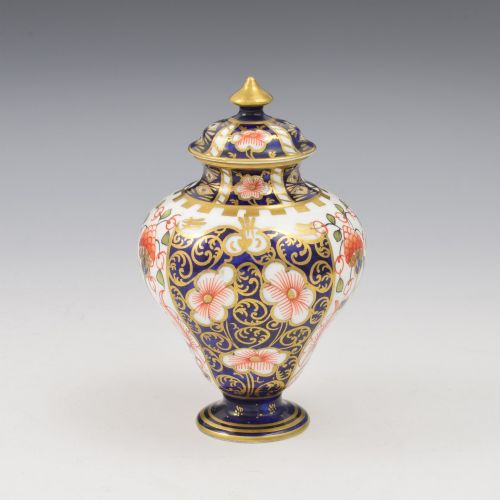
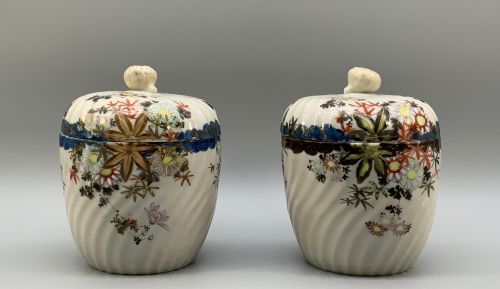
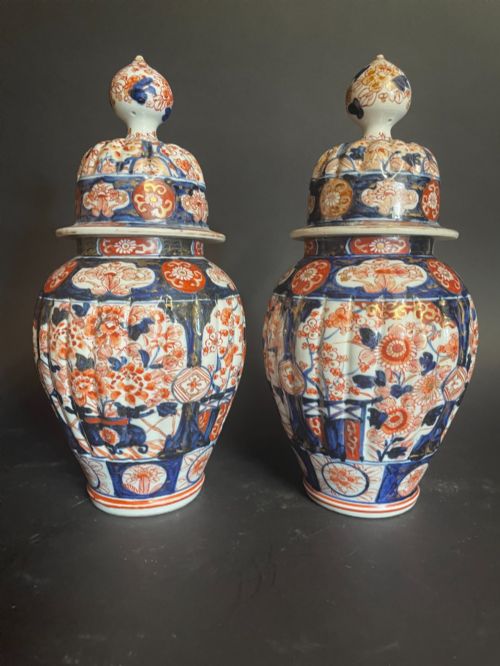
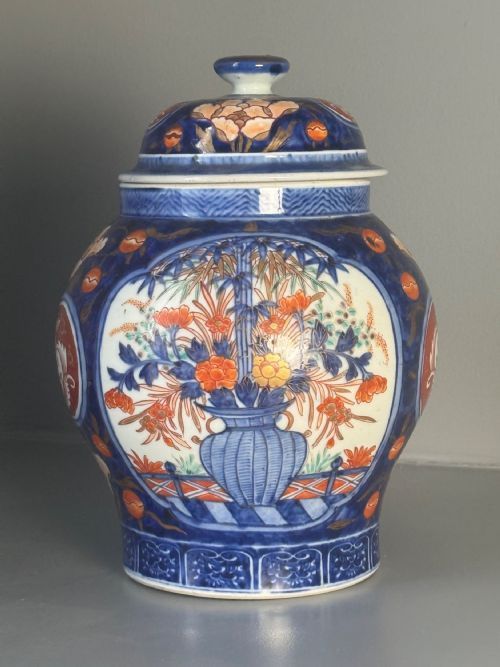
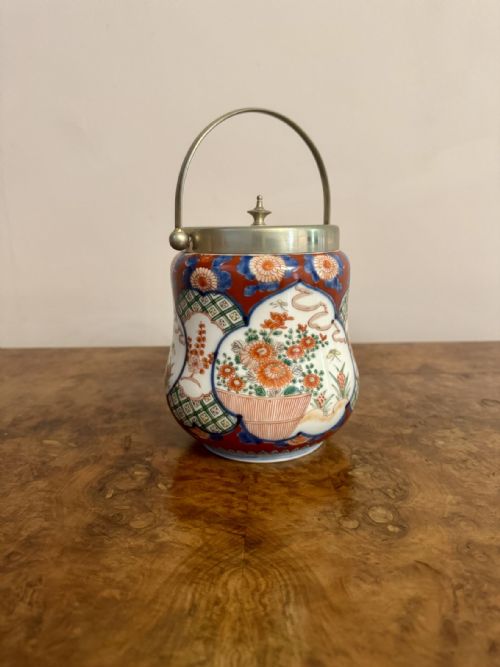
A japanese porcelain jar lid typically tops a ginger jar, lidded vase, or biscuit barrel produced for domestic use or export. These covers belong to vessels shaped on the potter's wheel and finished with distinct knob handles or plain flat tops.
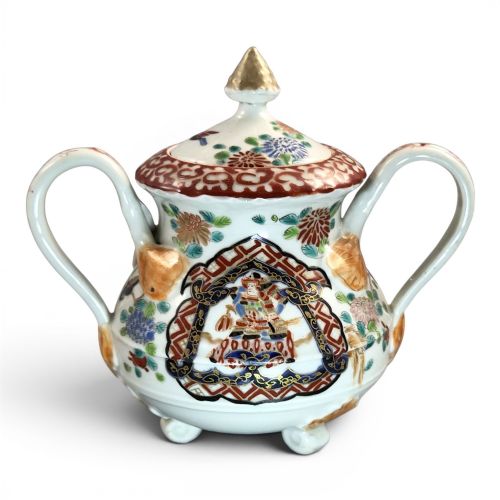
Most examples encountered on this page date from the nineteenth century, particularly the Meiji period and late Victorian era, though earlier seventeenth and eighteenth century pieces appear. The forms range from small sugar bowls to large baluster vases standing up to eighty-four centimetres high.
The decorative schemes on these lids rely heavily on the Japanese Imari palette, featuring iron red, cobalt blue, and gilt highlights. Satsuma and Kutani wares also provide alternative decorative traditions found across these covers and jars.
Judging Quality and Execution
The crispness of the hand-painted brushwork distinguishes standard production pieces from finer studio outputs. Skilled painters rendered samurai figures, floral panels, and intricate brocade borders with precise linework and balanced composition.
The application of gold leaf and the vibrancy of the enamel palette also signal superior execution. Heavier potting and smoother glaze consistency indicate careful control during the kiln firing process.
Listings feature porcelain, earthenware, enamel, gold leaf, and glaze across the Edo, Meiji, and Victorian periods.
Fukagawa Mark·Shozan
The Japanese Porcelain Jar Lid Glossary
- Imari
- A style of Japanese porcelain decorated in underglaze blue, iron red, and gold, originating from the town of Arita. This palette became immensely popular for export wares during the Edo and Meiji periods.
- Arita
- The Japanese town and surrounding region in Hizen province where porcelain production began in the early seventeenth century. Kilns here produced the vast majority of blue and white and Imari wares.
- Meiji Period
- The era in Japanese history spanning from 1868 to 1912, marked by the opening of trade with the West and a surge in ornate decorative arts. Pieces from this time often display meticulous detail and rich gilding.
- Kutani
- A style of Japanese painted porcelain and pottery known for its bold colour schemes, including greens, yellows, and purples, often accented with gold. These wares frequently depict figures, birds, and landscapes.
- Satsuma
- A type of Japanese earthenware featuring a crackled ivory glaze decorated with polychrome enamels and gold. These pieces were widely produced for the export market during the nineteenth century.
Japanese Porcelain Jar Lid: Frequently Asked Questions
How do I know if a lid is original to the jar?
Inspect the glaze colour, crackle pattern, and stylistic motifs on both the jar and the lid to ensure they match. Consistent wear patterns and matching clay bodies also indicate a period pairing.
Examine the way the lid rests on the rim of the vessel. A correct fit should sit flush without excessive wobble, reflecting the hand-thrown nature of these nineteenth-century pieces.
What is the difference between Imari and Kutani?
Imari porcelain relies on a strict palette of underglaze cobalt blue, iron red, and gold leaf. The designs frequently incorporate floral panels and intricate geometric borders.
Kutani wares utilise a broader range of enamel colours, including distinct greens and purples, often focusing on figural scenes and bold pictorial compositions.
How can I tell the Meiji period from earlier eras?
Meiji period pieces, dating from 1868 onwards, often exhibit extremely fine, dense brushwork and heavy gilding tailored for the export market. These items reflect the rapid industrialisation and artistic standardisation of the era.
Earlier Edo period or eighteenth-century pieces tend to feature looser, more fluid brushstrokes and simpler potting forms. The cobalt blues on older items can also present a softer, deeper tone.