
Japanese Painted Vase
A japanese painted vase brings centuries of intricate ceramic artistry and hand-painted detail directly into your interior.
Japanese Painted Vase
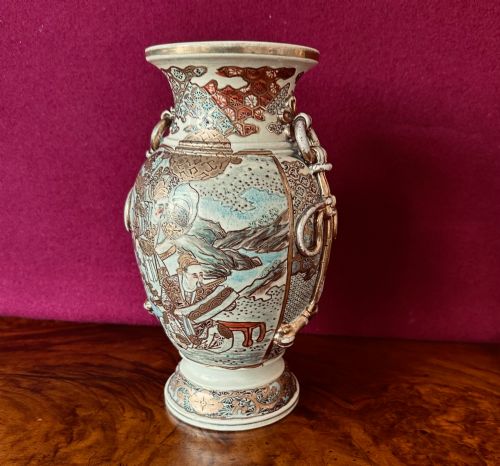
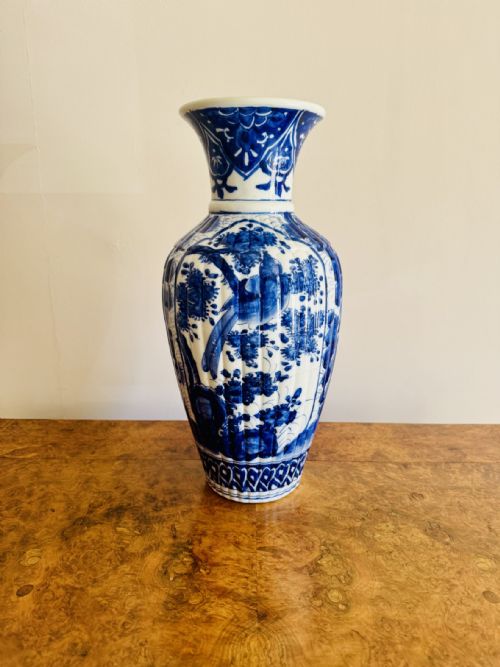
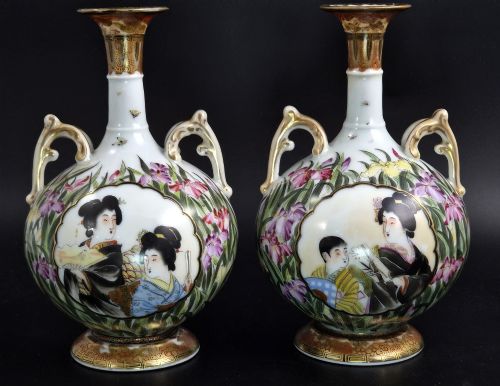
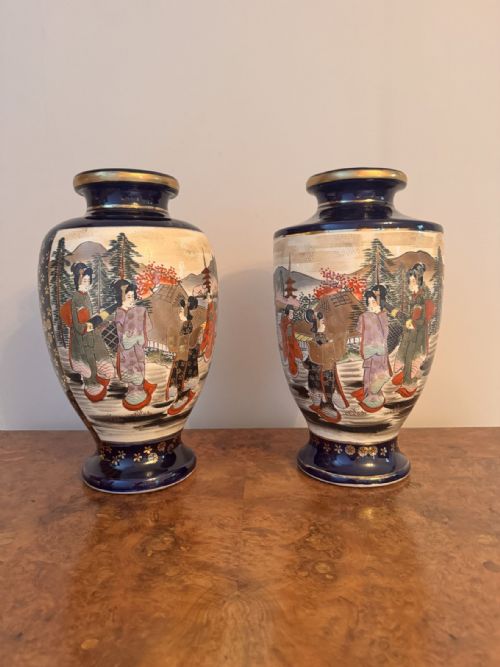
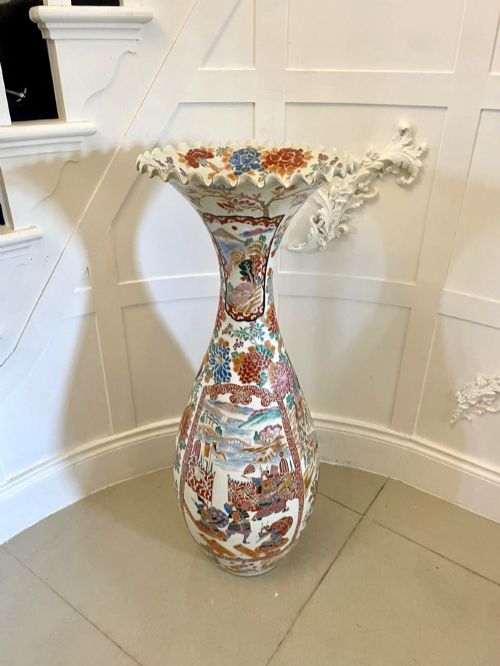
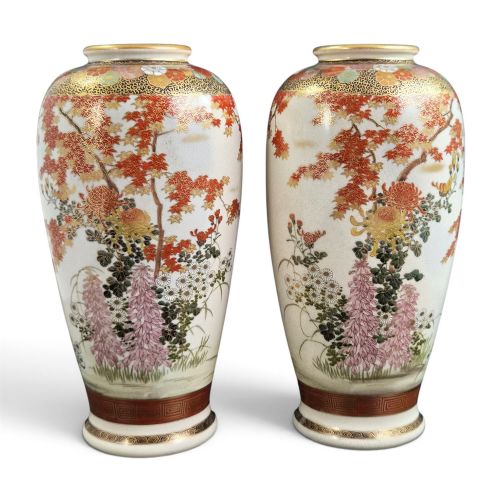
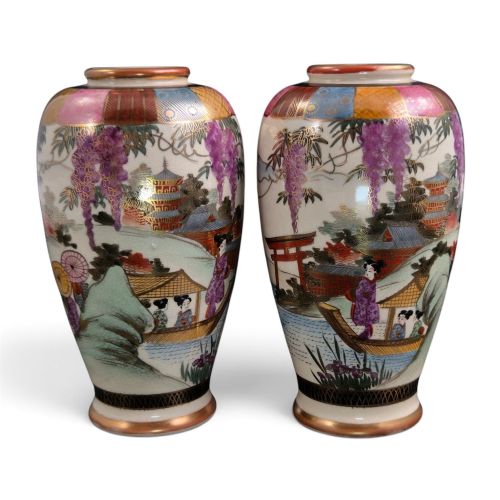
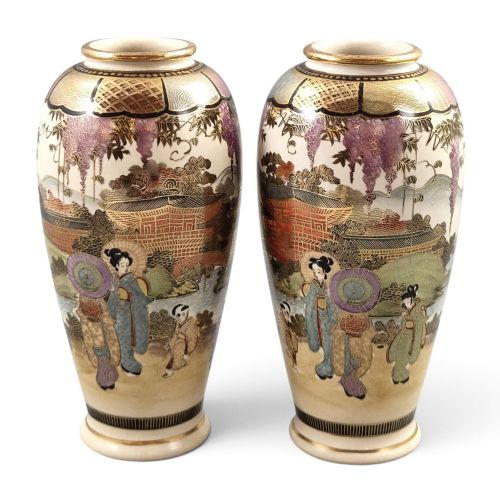
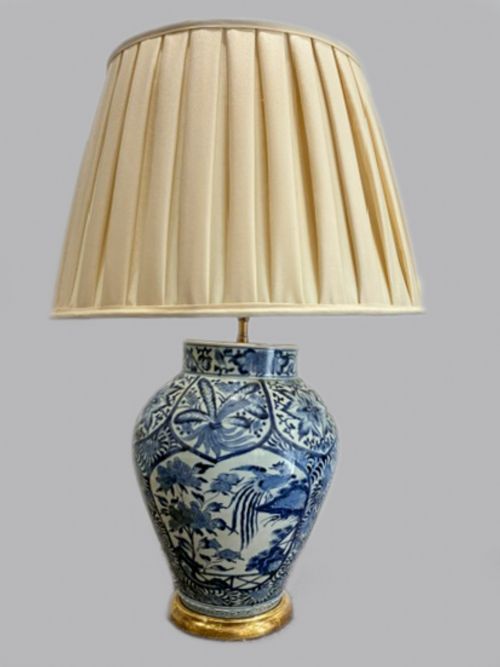
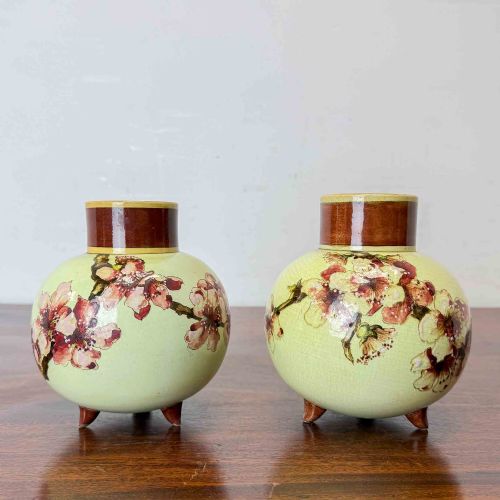
A japanese painted vase encompasses works created across the Meiji, Taisho, Edo, and Edwardian periods, featuring diverse forms such as floor-standing vessels, ginger jars, and table lamps.
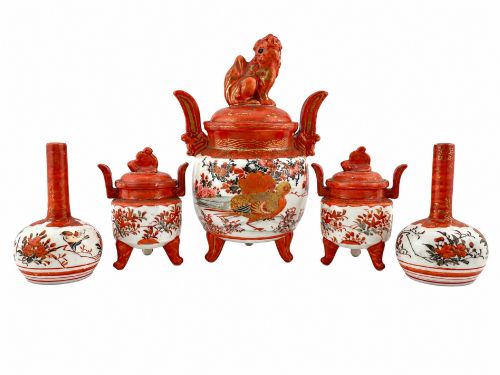
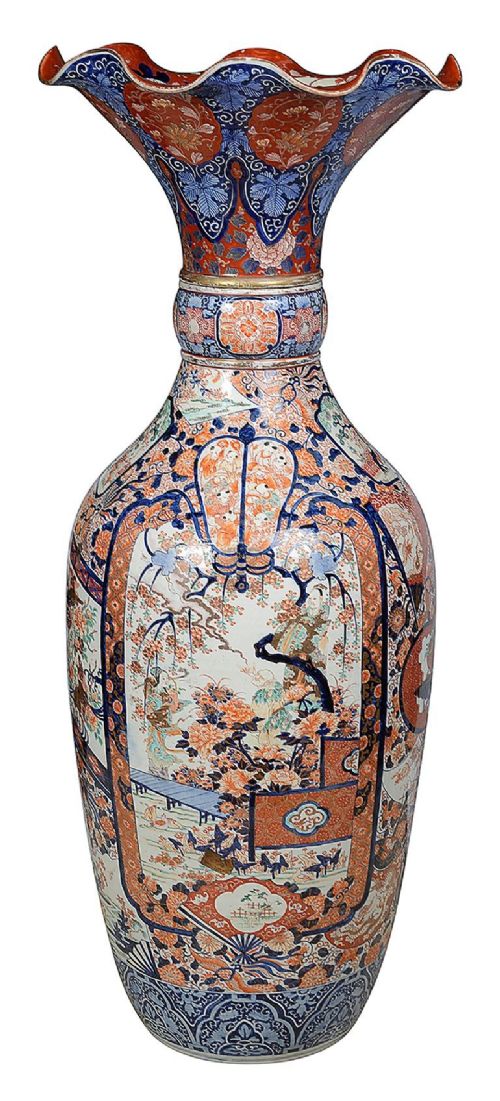
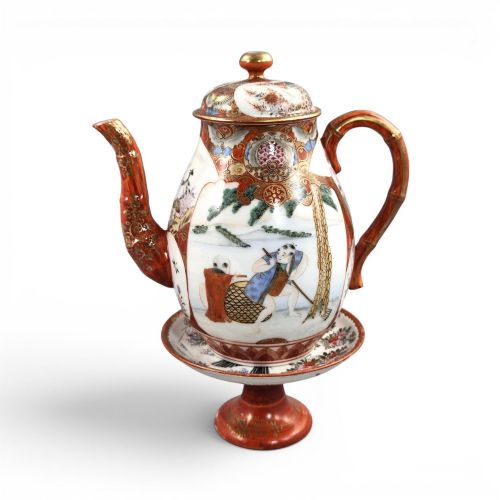
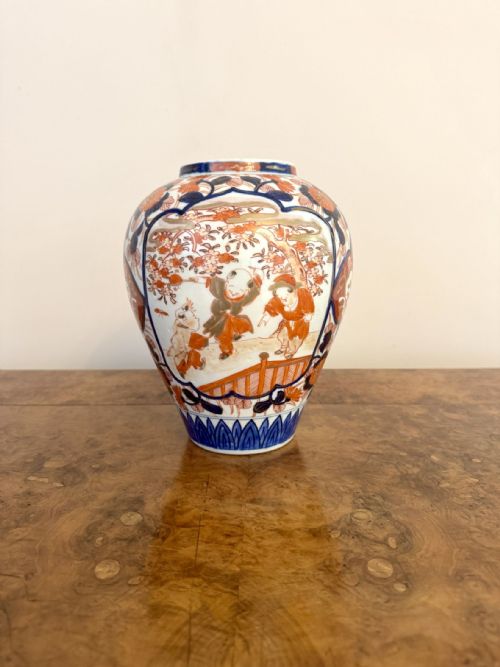
Buyers encounter distinct traditional styles on this page, including Japanese Imari, Satsuma, and Kutani wares, rendered in earthenware and porcelain.
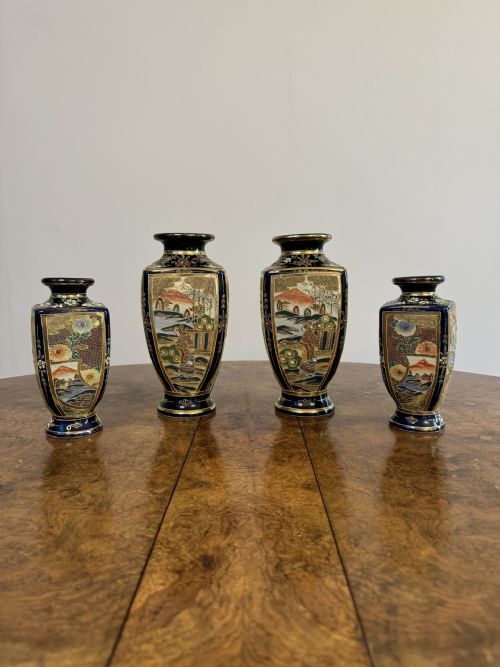
These pieces range from miniature cabinet items to monumental floor vases and garnitures, representing a long heritage of Far Eastern export and domestic ceramics.
Materials and construction
Potters shaped these vessels from fine porcelain or porous earthenware, applying glazes and underglaze pigments before firing.
Artisans layered enamel paints alongside gold leaf and gilt detailing to build complex pictorial surfaces, often incorporating moriage relief work.
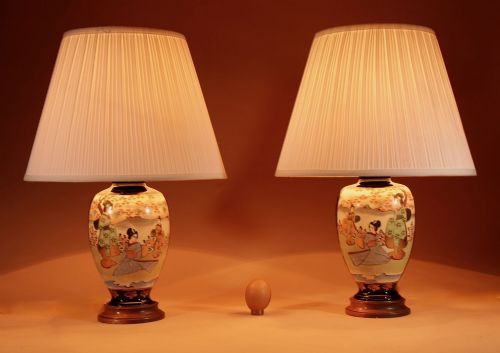
Several historical vases abandoned their original mantle duties long ago to become illuminated table lamps.
Assessing quality and execution
The sophistication of the hand-painted brushwork dictates visual success, distinguishing hurried commercial output from deliberate studio execution.
Purity of the porcelain body, precision of the enamel application, and density of the gilt or gold leaf ornamentation separate standard decorative items from superior examples.
Maruni Kobe·Shozan·Manpei·Kinkōzan·Kato Sanhei·Chosei·Hakuzan
The Japanese Painted Vase Glossary
- Imari
- A style of Japanese export porcelain characterised by underglaze blue and overglaze red, gold, and green colours. Named after the port from which these ceramics were shipped to the West.
- Satsuma
- A type of Japanese earthenware featuring a crackle glaze and ornate polychrome enamel paintings enriched with gold. These wares became immensely popular during the Meiji period.
- Kutani
- A style of Japanese porcelain known for bold pictorial designs and vibrant colour palettes, frequently dominated by rich greens and iron reds. Production centres around the Ishikawa prefecture.
- Moriage
- A decorative technique using piped slip to create raised, beaded, or textured patterns on ceramic surfaces. This method adds tactile relief beneath the enamel and gilt layers.
- Garniture
- A matching set of vases or jars designed to be displayed together on a mantelpiece or cabinet top. They typically consist of three, four, or five graduated pieces.
Japanese Painted Vase: Frequently Asked Questions
How do I distinguish Satsuma from Imari?
Satsuma ware is typically an earthenware ceramic featuring a distinctive ivory crackle glaze covered in intricate enamel painting and gold leaf. Imari pieces are hard-paste porcelain decorated in a stricter palette of deep underglaze blue and contrasting iron red.
Satsuma decoration often depicts dense figural scenes, landscapes, and courtly processions with tactile raised details. Imari patterns lean more toward geometric panel designs, florals, and botanical motifs without the characteristic crackled finish of Satsuma.
Were these vases made for export?
Many of these ceramics were produced specifically for Western export markets during the late nineteenth and early twentieth centuries. International exhibitions in Europe and America fuelled a massive appetite for Japanese decorative arts.
While some items served domestic Japanese utility, the larger floor vases, garnitures, and table lamp conversions reflect Victorian and Edwardian tastes for exotic interior decoration.
How should I display a large floor vase?
A monumental floor vase or standing vessel requires an open corner or a prominent entryway where it can stand safely away from heavy foot traffic. Placing the piece directly on the floor allows its height and proportions to dominate the space. Some heavier or taller examples benefit from stable, level placement on traditional wooden stands to protect both the base of the ceramic and the flooring beneath.
Can I convert an antique vase into a lamp?
Historic ceramic vessels have long been adapted into table lamps to bring ambient lighting and historic texture into living spaces. Many period pieces arrive with electrical fittings already installed from earlier decades.
When purchasing a converted lamp, ensure the wiring meets current safety standards while preserving the structural integrity of the antique body. Professional rewiring allows you to use these decorative objects safely in a modern home.