
Japanese Painted Urn
A Japanese painted urn brings together centuries of ceramic tradition and intricate hand-painted detail, offering a striking focal point for any interior.
Japanese Painted Urn
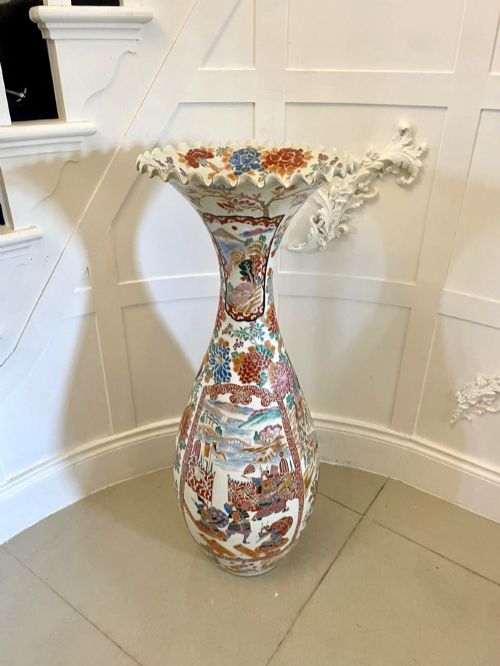
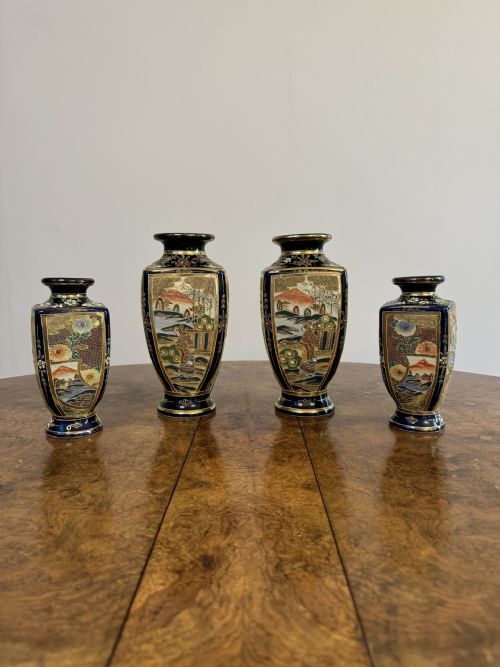
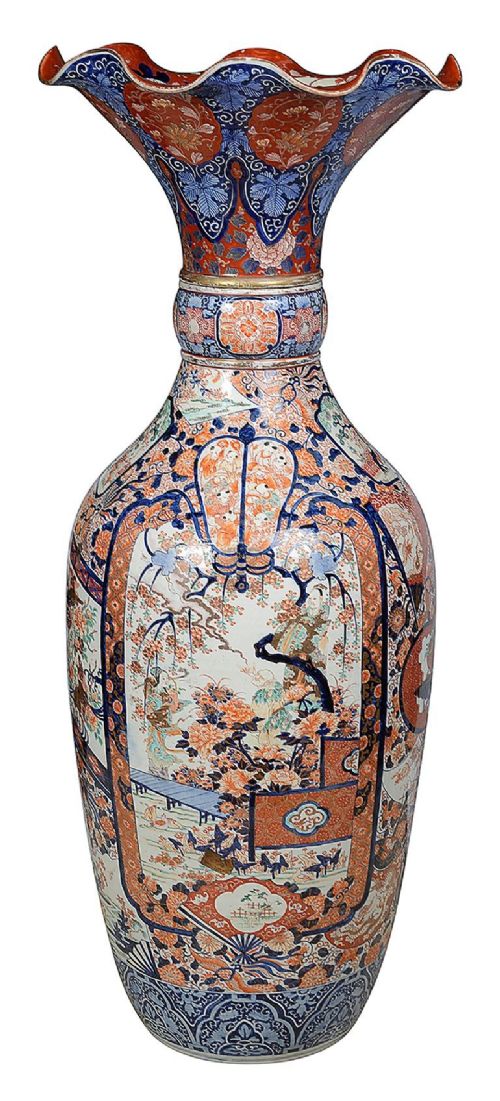
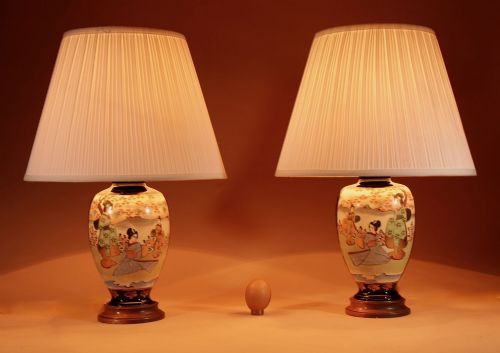
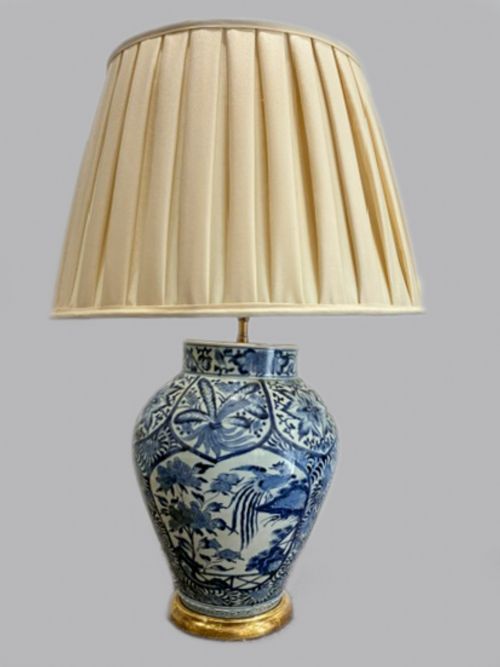
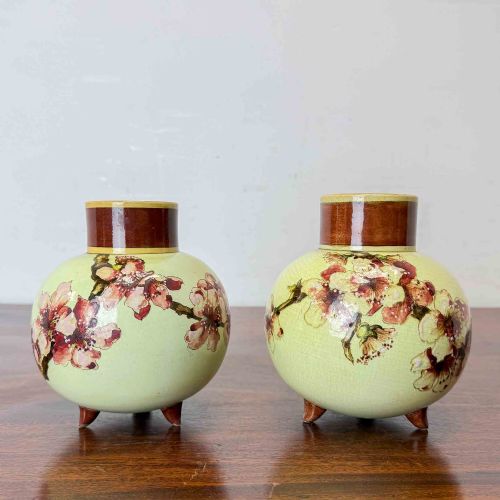
When searching for a Japanese painted urn, buyers encounter a variety of ceramic forms including floor vases, table lamps, ginger jars, and standard vases. These pieces span multiple historical eras, with a strong representation from the Meiji period, late 19th century, and Edwardian times.
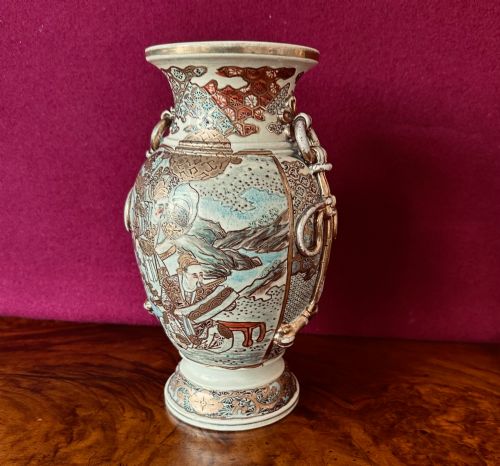
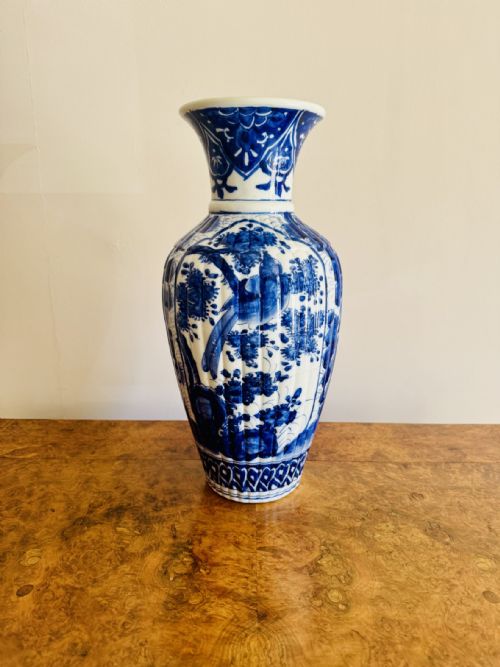
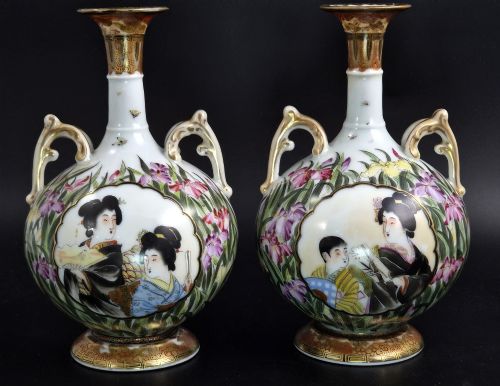
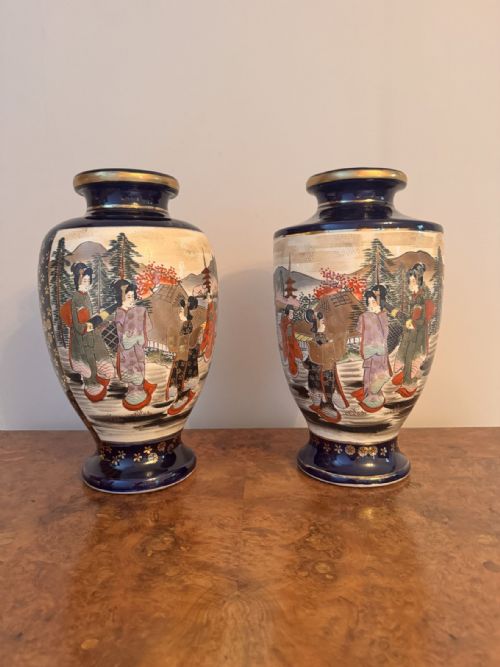
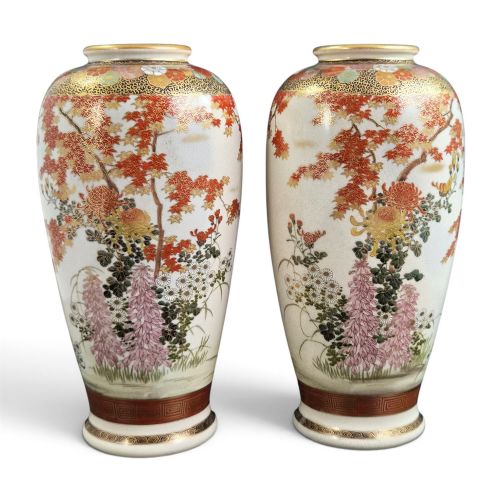
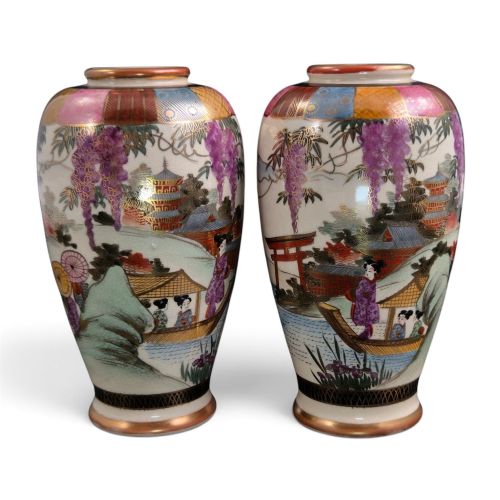
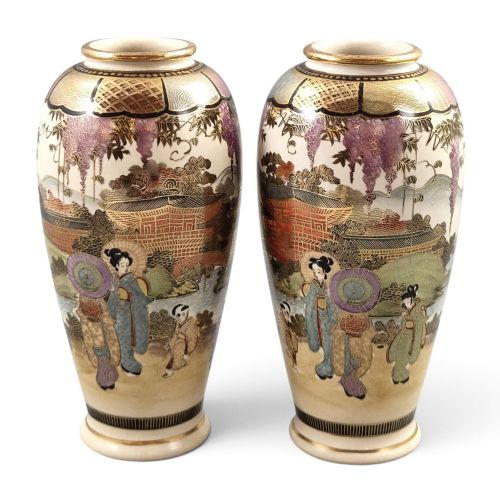
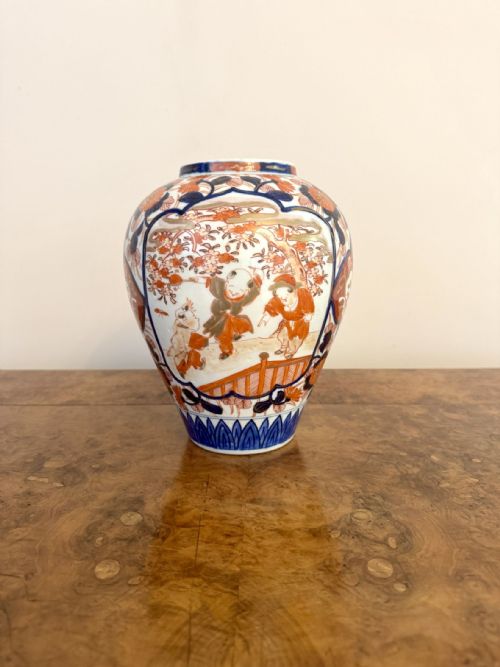
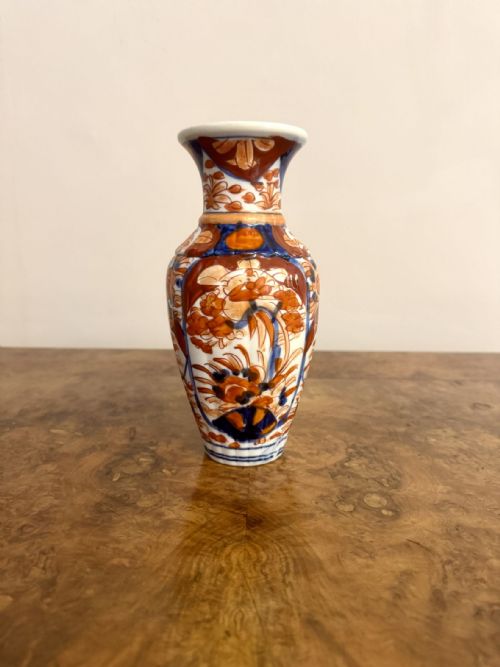
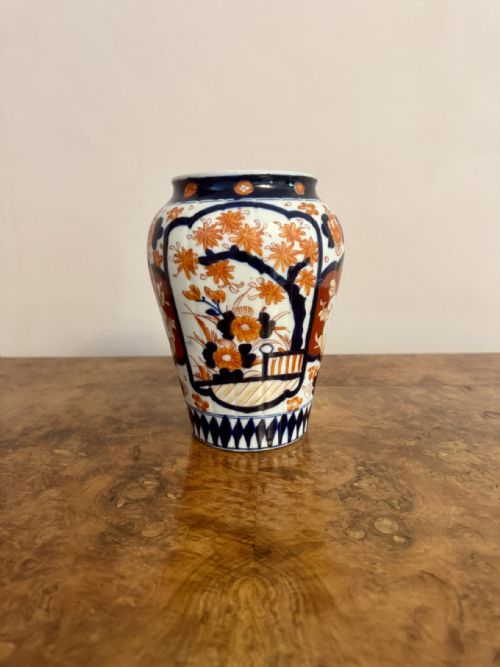
The objects frequently showcase traditional styles such as Japanese Imari and Satsuma wares, alongside Kutani and Seto pieces. Makers and studios like Kinkōzan, Chosei, and Maruni Kobe appear across the inventory, reflecting regional production centres in Kyoto and Kobe.
Forms range from miniature vessels to monumental floor-standing examples and matching garnitures. Many pieces incorporate covers or sit on original porcelain stands, demonstrating the breadth of decorative objects traded under this category.
Materials and Construction
Potters and artisans utilised porcelain and earthenware as the primary ceramic bodies for these vessels, shaping them into globular, double gourd, and shaped vase forms. These bodies provided a stable canvas for subsequent decoration.
Enamel and glaze were applied alongside gold leaf and gilt work to build up complex pictorial scenes, floral motifs, and figural processions. Kiln firing fixed these pigments and precious metals onto the ceramic surface, creating durable finishes.
Listings feature ceramics spanning the 17th century through the Showa period, utilising porcelain, earthenware, enamel, and gold leaf.
Factors of Quality
The distinction between tiers rests upon the execution of the hand-painted details and the crispness of the gilt work. Finely articulated figural scenes and botanical illustrations demand superior brushwork compared to repetitive or heavily simplified patterns.
Scale and completeness also dictate distinction within the range. Large floor-standing vessels, surviving pairs, and multi-piece garnitures or covered ginger jars retain greater visual impact and completeness than isolated miniature pieces.
Maruni Kobe·Shozan Satsuma·Manpei Kobe·Kinkōzan Kyoto·Kato Sanhei·Chosei Kyoto
The Japanese Painted Urn Glossary
- Imari
- A style of Japanese porcelain decorated in underglaze blue, iron red, gold, and supplementary colours. These wares originated in Arita and were widely exported during the Meiji period.
- Satsuma
- Earthenware pottery originating from Satsuma province, traditionally featuring a finely crackled ivory glaze and elaborate polychrome and gilt enamels depicting figures and landscapes.
- Kutani
- A style of Japanese porcelain and ceramic ware known for bold pictorial designs and a distinct palette dominated by greens, blues, yellows, purples, and reds.
- Garniture
- A set of matching vases or jars designed to be displayed together as a decorative centrepiece on a mantelpiece or cabinet.
- Meiji Period
- The era of Japanese history lasting from 1868 to 1912, associated with rapid modernisation and an explosion of decorative arts produced for international export.
Japanese Painted Urn: Frequently Asked Questions
What periods do these pieces date from?
The available inventory predominantly spans the late 19th century and the Meiji period, with examples extending into the Edwardian and Taisho eras.
Earlier specimens occasionally appear, including pieces from the 17th century that may have been converted later into table lamps.
How do Imari and Satsuma differ?
Imari pieces are typically porcelain featuring a palette of underglaze blue, iron red, and gilt highlights. They often display geometric and floral panel layouts.
Satsuma pieces utilise an earthenware body with an ivory crackle-glaze, serving as a background for detailed figurative or landscape paintings enriched with gold.
Were these vessels used for storage?
Many ginger jars and covered vessels were originally designed to hold commodities such as spices or tea. Over time, their primary function shifted toward decorative display.
Larger floor vases and urns served purely as interior ornament within traditional Japanese and Western domestic spaces.
How can I identify a maker?
Many higher-quality pieces feature painted or impressed signatures on the base, naming specific kilns, families, or individual artists such as Kinkōzan or Chosei.
Studio marks and regional identifiers help place the object within centres of production like Kyoto, Kobe, or Arita.