




Japanese Metalwork Art
Japanese metalwork art brings together centuries of bronze casting, cloisonné enamel and mixed metal inlay from the Edo and Meiji periods.
Japanese Metalwork Art
Japanese metalwork art encompasses vessels, sculptures and decorative plates created primarily across the eighteenth, nineteenth and early twentieth centuries. Collectors encounter bronze vases, patinated plaques, and cloisonné enamel chargers originating from the Edo, Meiji and Taisho periods.
The selections span small netsuke and tsuba up to large garden bronzes and jardinières. Vases, lidded gourd pots and decorative bowls represent the predominant forms available to buyers.
Works frequently incorporate traditional motifs such as birds, dragons, peonies and auspicious symbols. The physical scale ranges from miniature pocket carvings to chargers exceeding thirty centimetres in diameter.
Materials and construction
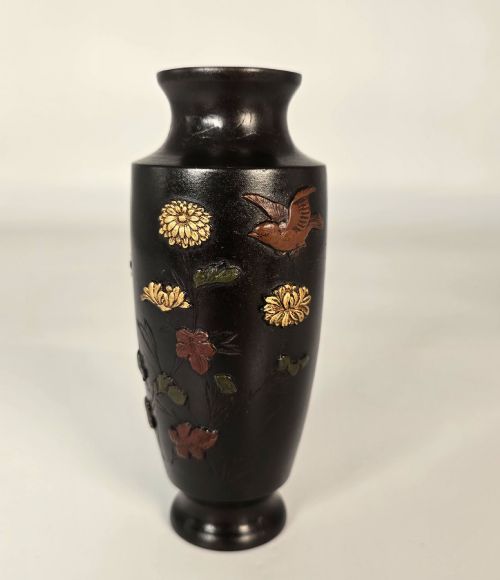
Artisans utilised bronze, copper, brass and iron as primary structural metals, often applying chemical patination to achieve deep surface colours. Mixed metal constructions combined these elements alongside gold and silver inlay for contrasting visual detail.
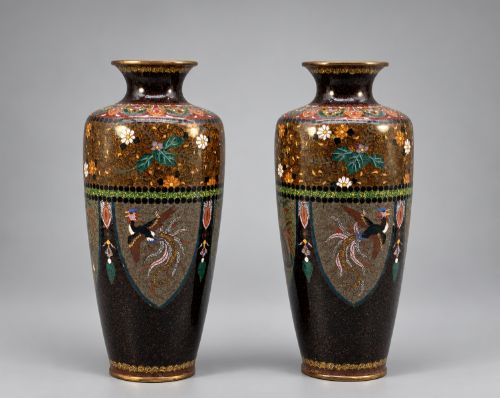
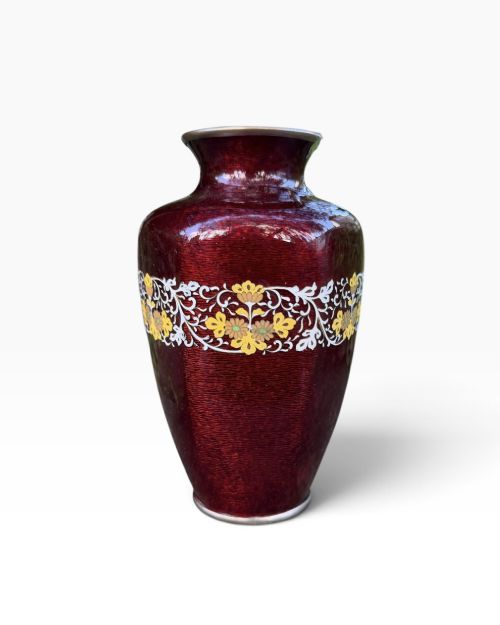
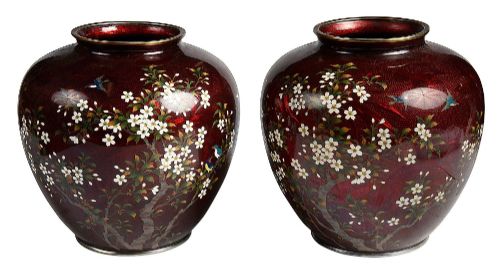
Cloisonne enamel and ginbari techniques involved soldering thin metal wires to form cells on a copper or bronze base, which were subsequently filled with coloured enamel pastes and fired. Pewter and wood also appear in specific utilitarian and sculptural components.
Japanese Metalwork Art Retail Price Guide 2026
Typical asking prices for japanese metalwork art among the pieces listed under this phrase on Sellingantiques today, from the lower quarter to the upper quarter. They describe what is for sale here now, not the wider market.
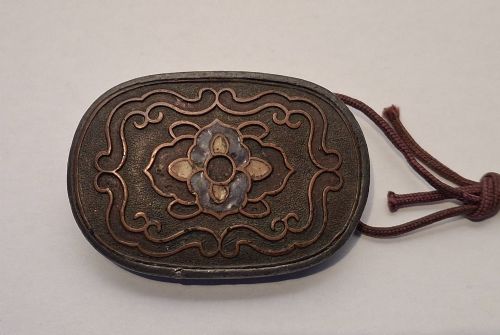
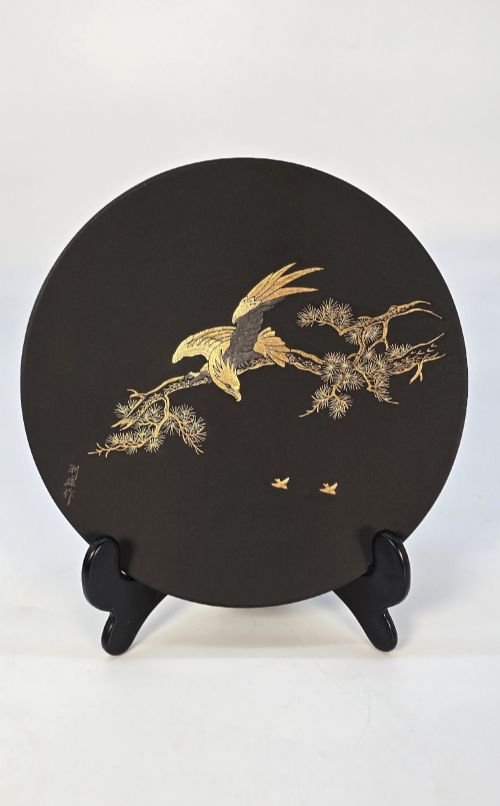
Artisans rendered stubborn iron plaques charming by inlaying tiny gold and silver birds, mon, and twisting tendrils.
Assessing quality
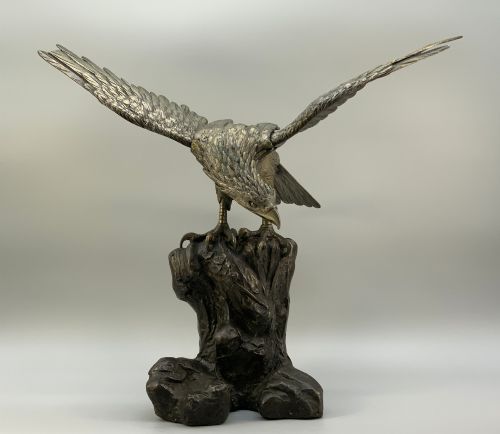
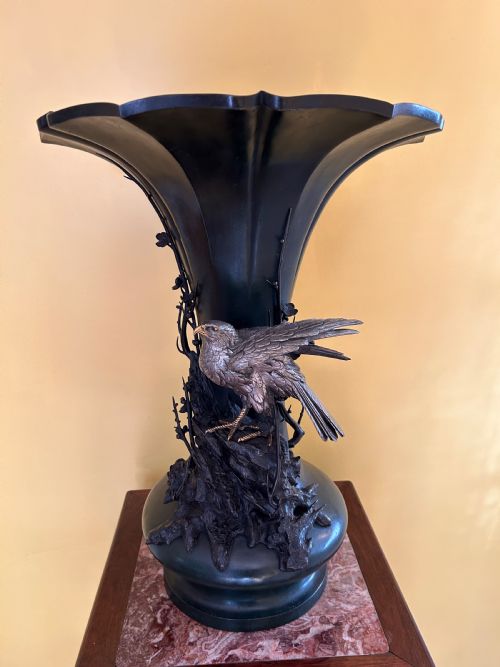
Quality rests in the crispness of the casting and the precision of the metal inlay work. Masterpieces display exact wire placement in cloisonne panels and uniform patination across complex sculptural forms like birds and figures.
Artisans achieved distinction through deliberate compositional balance and intricate surface detailing such as gold and silver highlights on iron plaques. Greater refinement separates standard decorative items from signed pieces of superior execution.
The Japanese Metalwork Art Glossary
- Cloisonne
- An enamelling technique where metal wires form small compartments on a base to hold coloured pastes before firing. This method defines many decorative vases and chargers.
- Patination
- The chemical or natural treatment of a metal surface to alter its colour and finish. Bronze objects frequently display dark brown or green patinated tones.
- Okimono
- A Japanese ornamental statue designed for display in a domestic interior. These figures often depict animals, birds or human subjects in cast bronze.
- Mixed metal
- The combination of different metallic alloys within a single object, such as bronze incorporating gold and silver inlay elements.
- Tsuba
- A traditional guard at the end of the grip of a Japanese sword. These metal components often feature elaborate artistic carvings and enamel work.
Japanese Metalwork Art: Frequently Asked Questions
What is Japanese metalwork art?
Japanese metalwork art comprises cast bronze sculptures, vessels, and enamelled copper objects produced during the Edo, Meiji, and Taisho periods. These pieces demonstrate traditional metalworking techniques including patination and mixed metal inlay.
Craftsmen created everything from small sword guards and netsuke to large garden bronzes and ceremonial censers. The category reflects both utilitarian forms and purely decorative items.
How do I date these metal objects?
Dating relies on stylistic markers associated with specific historical eras, such as the elaborate ornamentation typical of the Meiji period or the earlier restrained forms of the Edo period. Signatures and maker marks also help establish chronological origin.
Materials and manufacturing techniques provide additional clues, as certain enamelling styles and alloy combinations emerged primarily in the late nineteenth and early twentieth centuries.
Where were these pieces displayed?
In traditional Japanese interiors, bronze vases and okimono sculptures were placed in tokonoma alcoves alongside hanging scrolls. Chargers and decorative plates rested on stands or served as centrepieces.
Many later Meiji period items were produced specifically for export to Western markets, influencing European design movements including Art Nouveau.
How should I care for antique bronze?
Antique bronze requires minimal intervention to preserve its original patination and surface integrity. Dusting with a soft, dry cloth prevents particulate accumulation without disturbing the metal.
Owners should avoid applying polishes, oils, or chemical cleaners, which can strip away historic patination and damage delicate gold or silver inlay work.