






Japanese Metal Ornament
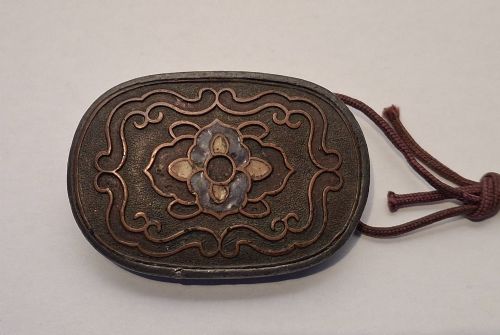
These Japanese metal ornament pieces bring intricate bronze figures and mixed-metal vases from the nineteenth and early twentieth centuries into your home.
Japanese Metal Ornament
When you search for a japanese metal ornament, you encounter a selection spanning the nineteenth century, the Meiji period, and the Showa period. The forms range from decorative vases and bowls to garden statuary and sculptural figures.
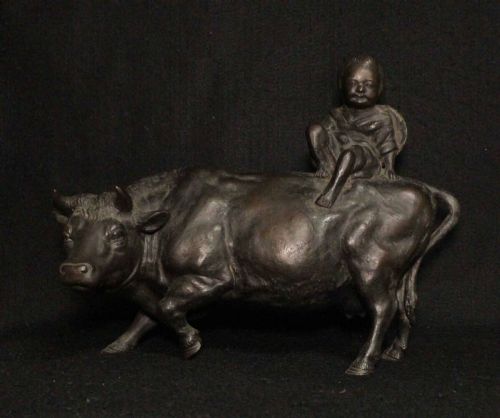
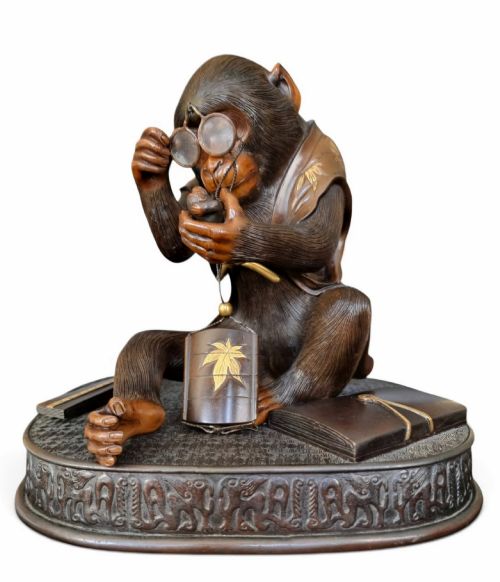
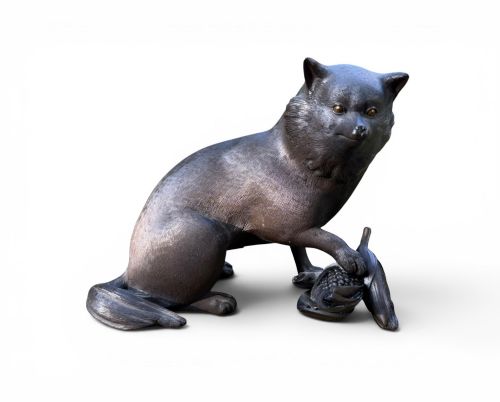
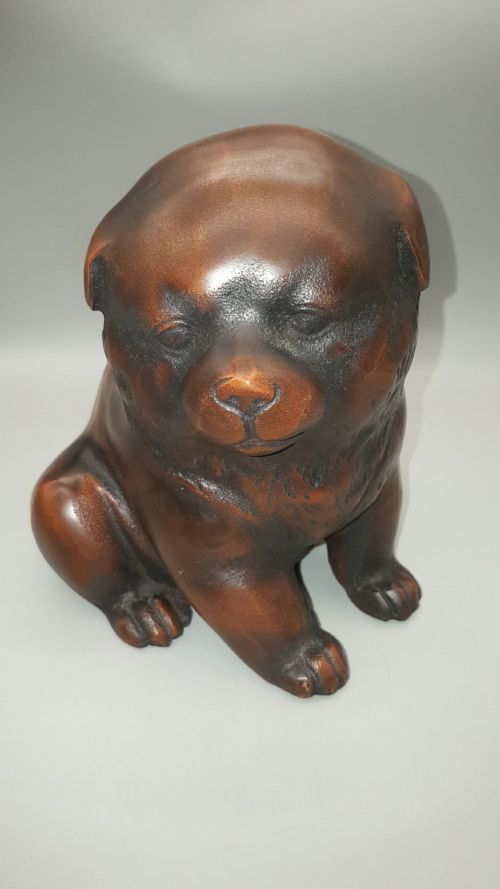
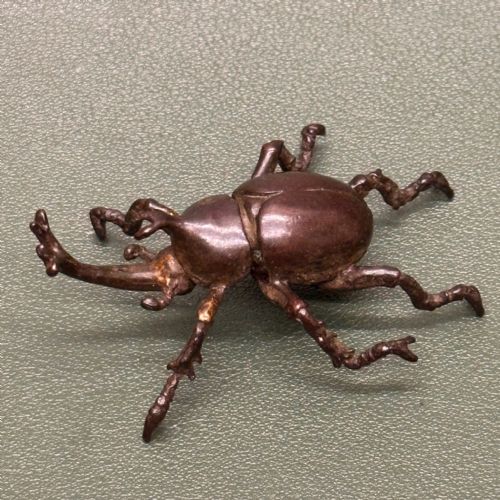
The sculptural works frequently depict animals and figures, including monkeys, dogs, beetles, and scholars, often designated as okimono. These objects reflect the craftsmanship of Japanese metalwork imported or produced during the Victorian era and subsequent decades.
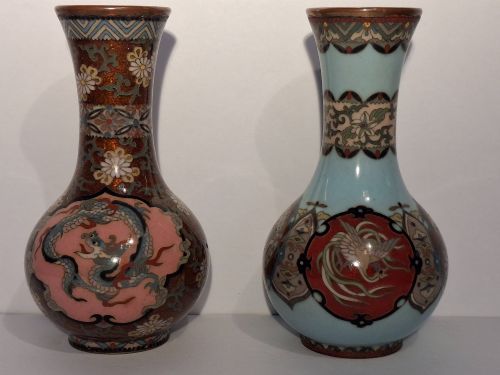
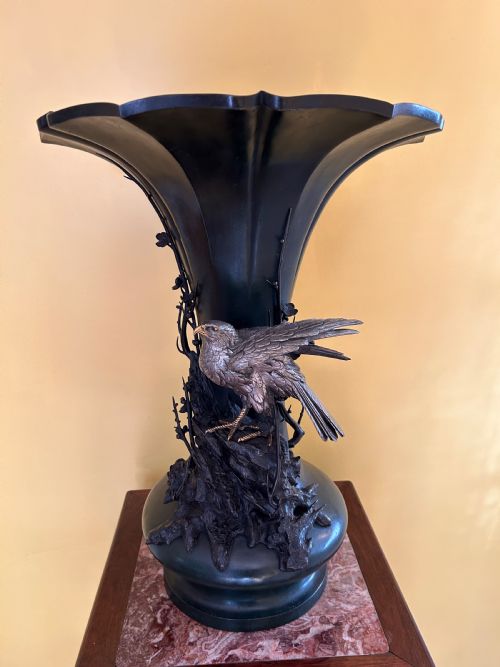
Vases and urns appear in pairs or single pieces, utilising bronze, brass, and mixed metals. Buyers find both small cabinet pieces and lifesize garden statuary within this category.
How They Were Made
The makers utilised bronze, copper, iron, and brass as the foundational materials for these pieces. Molten metal was cast into forms, then finished with patination to achieve varied surface colours and textures.
Complex items incorporate mixed metals and gold inlay, combining contrasting metallic tones on the surface of okimono and vases. Cloisonne enamel also appears on decorative bowls from the period.
Surface detailing involves hand-chiselling and patinated iron finishes, creating realistic textures on animal sculptures and botanical motifs on vases.
Japanese Metal Ornament Retail Price Guide 2026
Typical asking prices for japanese metal ornament among the pieces listed under this phrase on Sellingantiques today, from the lower quarter to the upper quarter. They describe what is for sale here now, not the wider market.
Listings span the nineteenth and early twentieth centuries, featuring materials such as bronze, patinated iron, and gold inlay.
What Varies In Quality
Quality in these pieces rests on the precision of the casting and the depth of the hand-finishing on the metal surface. Superior works display fine anatomical detail in animal subjects, such as the fur of a puppy or the shell of a beetle.
Mixed-metal applications and gold inlay distinguish higher-grade examples from plain cast items. The integration of contrasting metals requires advanced skill by the maker.
Signed pieces by known artists demonstrate greater artistic execution and command higher regard among collectors. The condition of the original patina also influences the standing of each piece.
Tsunemitsu·Shosai·Unno Shomin
The Japanese Metal Ornament Glossary
- Okimono
- A Japanese ornamental statue or sculpture designed for display on a shelf or in a tokonoma alcove. These figures often depict animals, mythical subjects, or everyday characters.
- Meiji Period
- The era in Japanese history lasting from 1868 to 1912, marked by opening trade with the West and exceptional skill in metalwork. Many bronze figures and vases on this page originate from this time.
- Patinated Iron
- Iron treated with chemical solutions or heat to alter its surface colour and protect against corrosion. This finish provides dark, textured tones on sculptural works.
- Mixed Metal
- The combination of different metallic alloys, such as copper, bronze, and brass, within a single decorative object. This technique creates visual contrast through varied colouration.
- Cloisonne Enamel
- A technique where enamel paste is applied within compartments created by soldered wire on a metal base. The piece is then fired and polished to a smooth finish.
Japanese Metal Ornament: Frequently Asked Questions
What is a Japanese okimono?
An okimono is a decorative Japanese sculpture designed for interior display. These objects typically take the form of animals, figures, or botanical subjects cast in bronze or iron.
Unlike utilitarian items, okimono were created purely for aesthetic appreciation in homes and studies during the nineteenth and early twentieth centuries.
How do I identify a Meiji period bronze?
Meiji period bronzes date from 1868 to 1912 and often feature realistic animal subjects, meticulous surface patination, and sometimes artist signatures. They reflect the high point of Japanese decorative metalwork for export.
Examine the casting quality and surface detail to distinguish these works from later reproductions.
Where should I place a bronze garden okimono?
Lifesize bronze animal figures, such as geese, suit sheltered garden locations or courtyards where the metal can weather naturally. Ensure the ground is stable to support heavy bronze statuary.
Many buyers also place smaller okimono indoors on sturdy tables or pedestals to protect the original patina.
What does mixed metal mean on antique vases?
Mixed metal refers to decorative items combining various metallic alloys, such as bronze, copper, and brass, to create contrasting colour effects. Makers inlaid different metals into the base material to highlight specific design elements.
This technique adds visual depth and indicates skilled craftsmanship in nineteenth-century decorative pieces.