



Japanese Meiji Pottery
Japanese meiji pottery brings together intricate hand-painted vessels and sculptural earthenware shaped during a transformative era of imperial craftsmanship.
Japanese Meiji Pottery
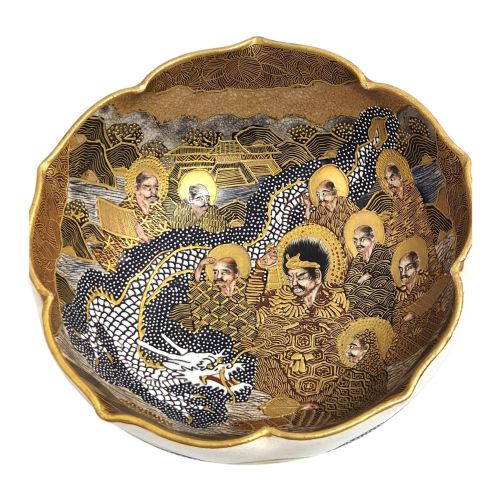
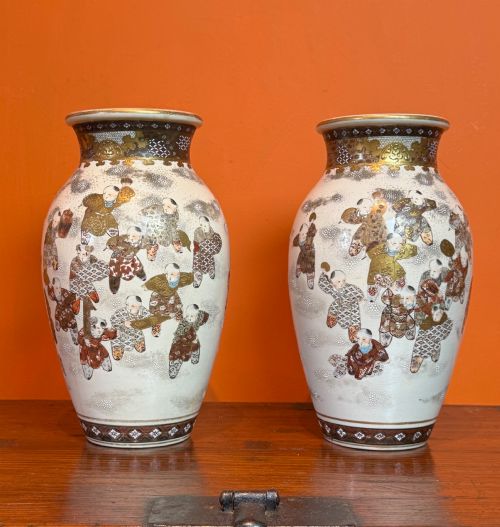
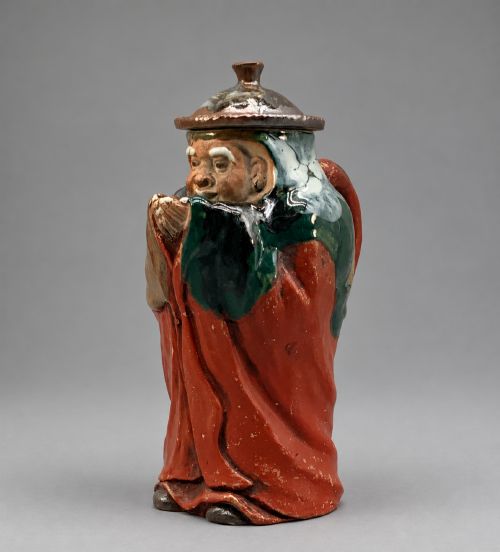
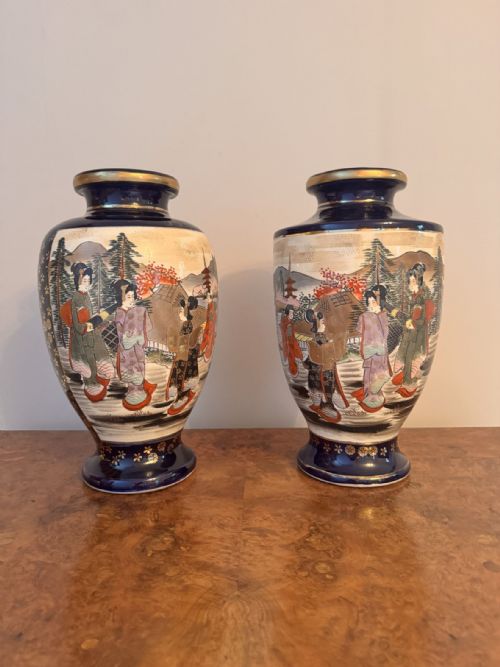
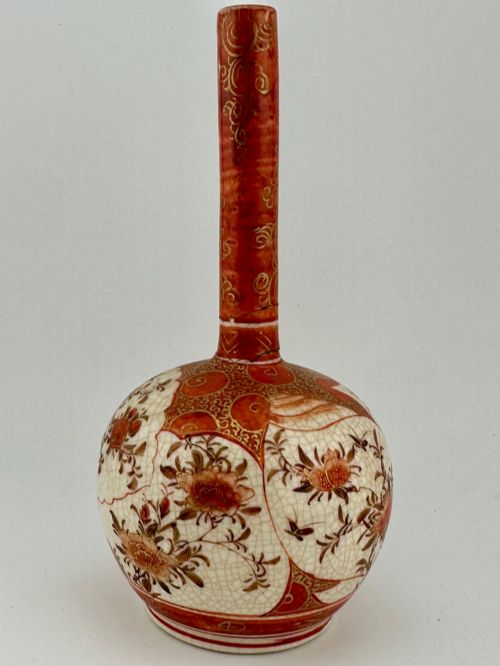
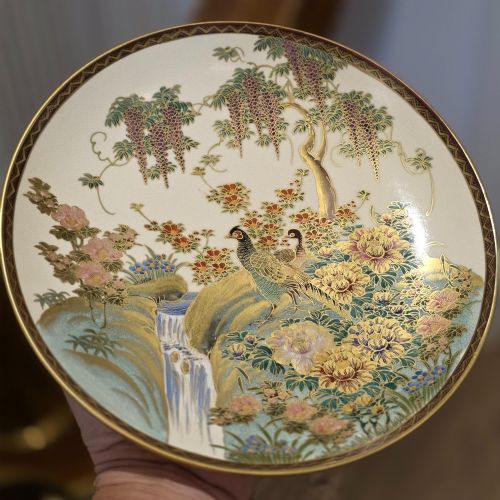
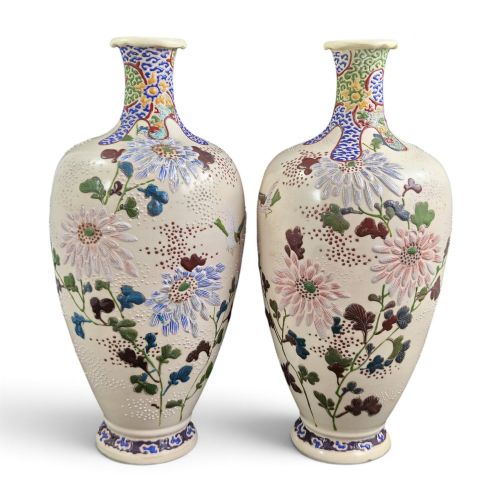
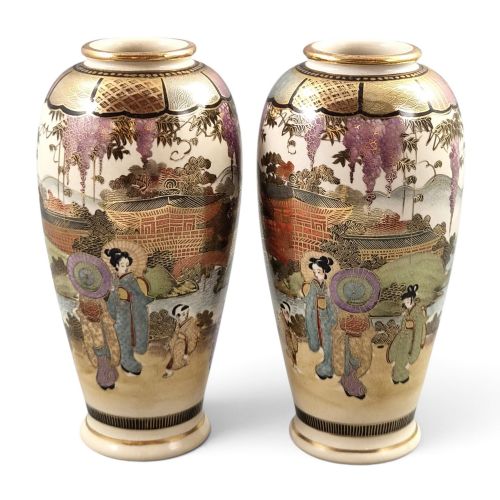
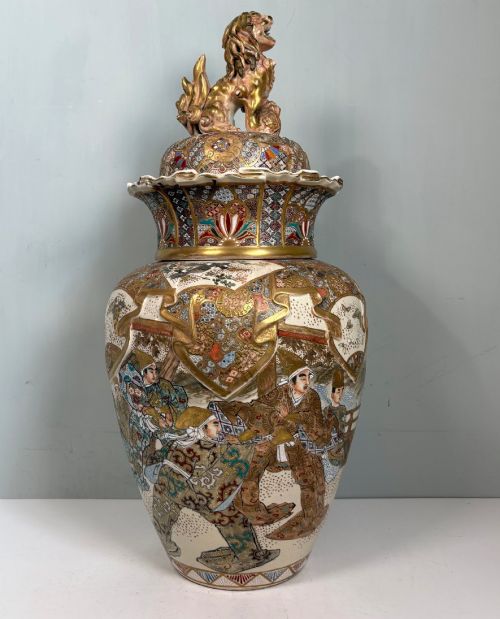
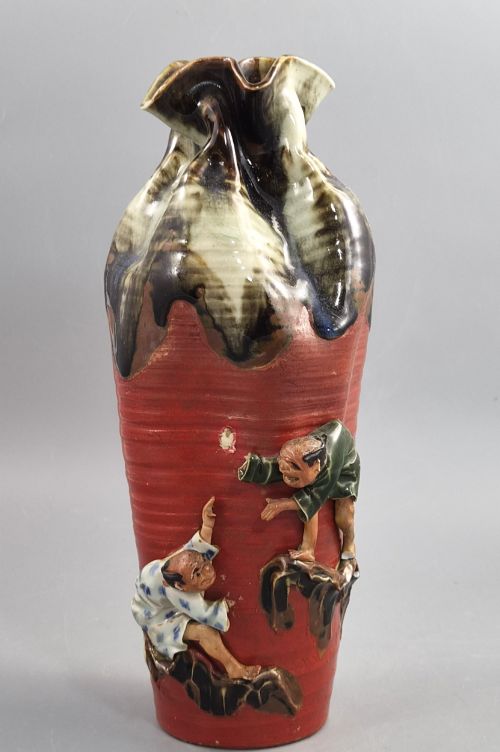
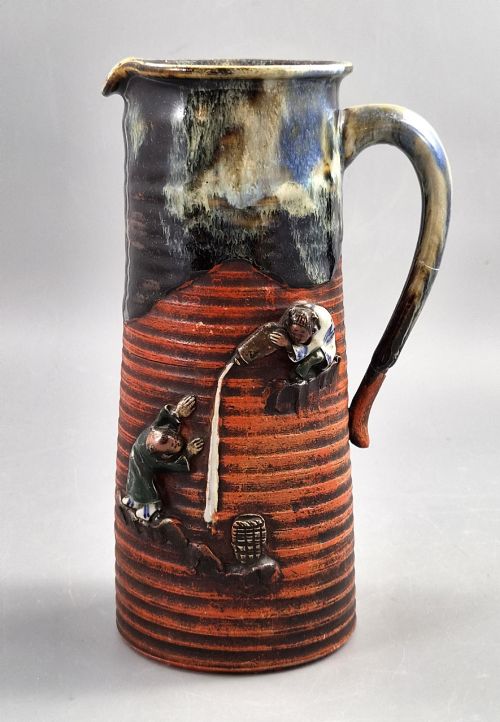
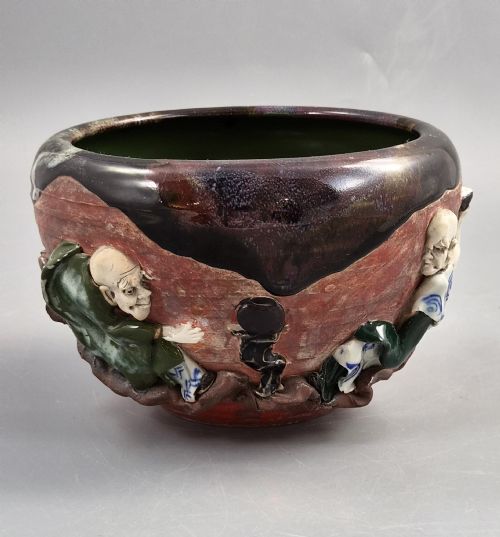
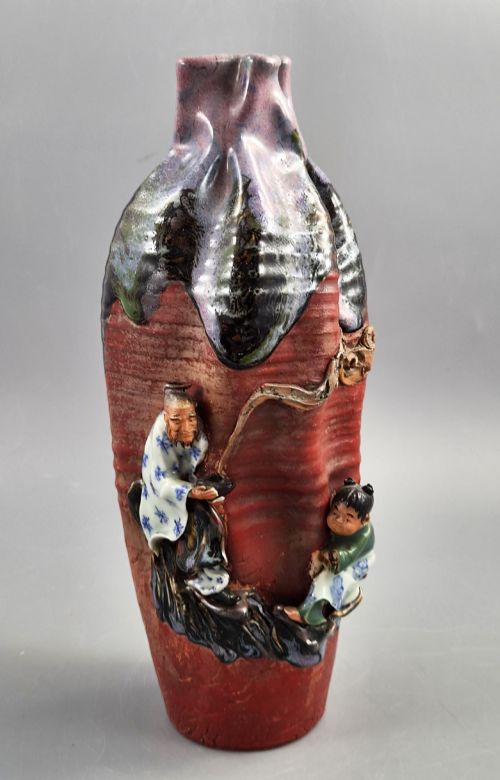
Vessels from this era range from finely detailed Satsuma earthenware and Kutani porcelain to rustic Sumida Gawa pieces with relief figures. Buyers will frequently find items displaying traditional motifs such as birds, floral arrangements, and human figures rendered in rich pigments.
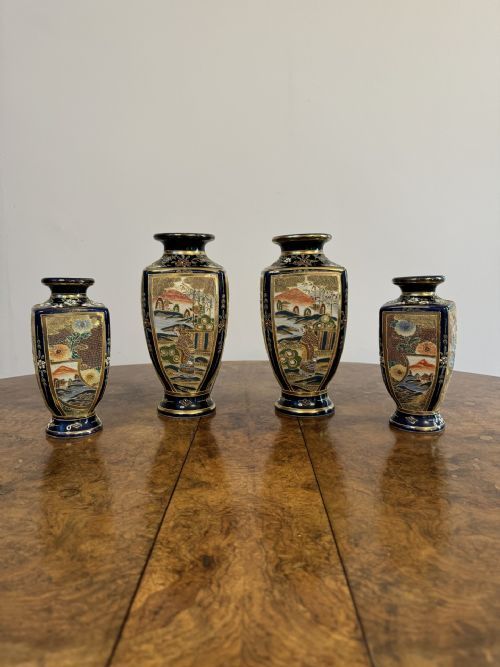
The objects span production dates from the late nineteenth century into the early twentieth century, reflecting both traditional domestic aesthetics and items created for export markets. Forms vary from small tea caddies and koros to tall garniture vases.
How They Were Made
Potters shaped earthenware and porcelain bodies on the wheel or in moulds before applying glazes, enamels, and gold leaf. Many pieces incorporated raised moriage decoration or sculptural figures modelled by hand and applied directly to the surface.
Firing techniques produced varied results, from the characteristic crackle-glazed earthenware of Satsuma to the vivid iron red and gilt palettes of Kutani wares and the flowing flambé glazes seen on Sumida Gawa pottery.
Japanese Meiji Pottery Retail Price Guide 2026
Typical asking prices for japanese meiji pottery among the pieces listed under this phrase on Sellingantiques today, from the lower quarter to the upper quarter. They describe what is for sale here now, not the wider market.
Listings feature earthenware and porcelain forms including vases, okimono figures, ginger jars, and tea caddies decorated with enamel and gold leaf.
What Varies in Quality
Quality in these ceramics rests on the precision of the brushwork, the complexity of the modelled relief, and the refinement of the glaze. Master workshops achieved cleaner lines, deeper tonal contrast in the enamel work, and more carefully balanced compositions across the surface of each vessel.
Maker signatures and studio marks also influence distinction, as pieces bearing the names of recognised ceramic artists or established workshops demonstrate superior technical execution and artistic ambition.
Koshida·Maruni Kobe·Shozan·Inoue Ryosai·Kizan·Ban-ni·Kozan·Kinkozan
The Japanese Meiji Pottery Glossary
- Satsuma
- Earthenware pottery featuring a characteristic ivory-coloured, crackle-glazed finish decorated with polychrome enamels and gilding. These wares were heavily produced in Kyoto and other centres during the late nineteenth century.
- Kutani
- Japanese porcelain and pottery known for vibrant colour palettes, particularly iron red and gold leaf. Kutani pieces often depict pictorial scenes, birds, and botanical motifs.
- Sumida Gawa
- Pottery distinguished by thick, dripping flambé glazes and applied sculptural figures in high relief. The style originated along the Sumida River in Tokyo.
- Imari
- Porcelain decorated in underglaze blue and overglaze iron red, green, and gold. This traditional aesthetic heavily influenced export wares.
- Okimono
- A standalone Japanese display figurine carved or modelled for interior decoration. These sculptural figures often portray deities, sages, or historical personages.
- Moriage
- A decorative ceramic technique using piped slip to create raised relief patterns and textures. This method adds tangible depth beneath the enamel and gilding.
Japanese Meiji Pottery: Frequently Asked Questions
How do I identify Satsuma pottery?
Satsuma pottery is recognised by its distinctive pale, finely crackled glaze beneath intricate enamel and gilt decoration. These pieces often depict figural scenes, flora, and fauna.
Many bear signatures or workshop marks on the base from production centres such as Kyoto, particularly those associated with master makers from the Meiji period.
How should I display these ceramics?
These decorative vessels and figurines suit well-lit display cabinets or prominent tabletop surfaces where their detailed hand-painted work remains visible. Placing them away from direct sunlight protects the enamels and gold leaf from fading.
Larger garniture vases and plates work effectively as focal points in traditional or eclectic interior schemes.
Are these pieces signed by artists?
Many Meiji period ceramics carry painted, impressed, or incised signatures and studio marks on the underside. These marks often denote the individual artist, the workshop, or the location of manufacture.
Researching these stamps helps determine the origin and historical context of individual vases, bowls, and okimono figures.